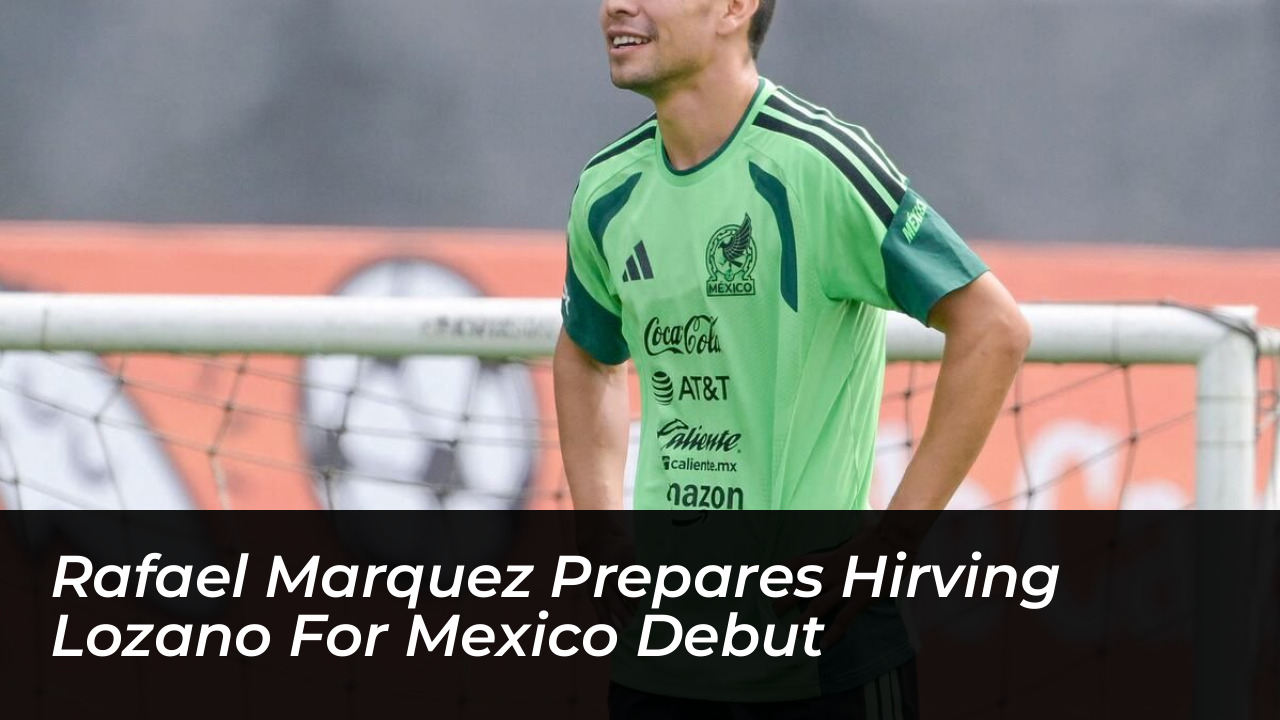
The Mexico national team steps onto the pitch at M&T Bank Stadium in Baltimore under new management. Head coach Rafael Marquez takes charge for his managerial debut against a formidable Colombia squad. Facing immediate personnel challenges, the former captain orchestrates a bold tactical shift. Injuries to key attacking options force the technical staff to innovate. Julian Quinones and Raul Jimenez miss the fixture due to physical setbacks, while Santi Gimenez enters the match following recent fitness concerns. Marquez responds by assembling an unexpected frontline trio.
- Inside the Recall of Hirving Lozano
- Justifying the Selection Over Domestic In-Form Alternatives
- Tactical Evolution Under Constraint
- Assembling an Unexpected Frontline Trio
- Defensive Stability and Modern Pressing Structures
- Strategic Importance of the Colombia Encounter
- Measuring Early Viability of the Project
- Frequently Asked Questions
- Why did Rafael Marquez select Hirving Lozano despite limited playing time in MLS?
- Who makes up the unexpected attacking trio for the Mexico debut?
- What are the primary tactical goals for Rafael Marquez during his initial matches?
- Is Alexis Vega completely ruled out of future national team call-ups?
Highlighting the managerial debut of Rafael Marquez against Colombia, the technical staff faces an intense baptism of fire. Overview of immediate personnel challenges and injuries affecting key attacking options sets a difficult tone for the opening week. Introducing the core objective of the new coaching staff involves balancing tactical evolution with immediate competitiveness. Rafael Marquez prepares Hirving Lozano for Mexico debut amid heavy scrutiny from fans and media alike, making this Baltimore fixture an early test of character.
Inside the Recall of Hirving Lozano
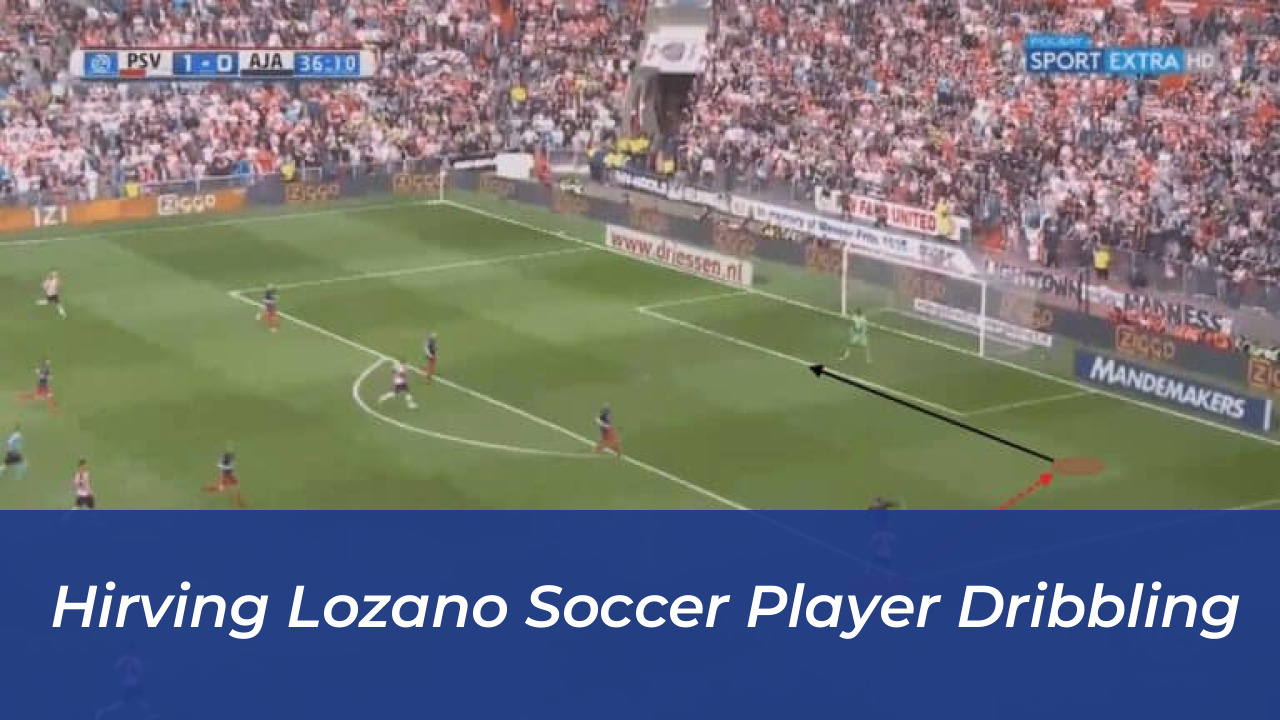
Analyzing the calculated return of the veteran winger to El Tri sparks intense debate across sports media. Lozano spends more than nine months away from the national setup. His absence follows a challenging period with San Diego FC, which precedes a loan move to the LA Galaxy. During his eight appearances in Los Angeles, the winger records one goal and one assist. Despite modest statistics in Major League Soccer, Marquez identifies unique qualities that warrant an immediate selection.
Evaluating MLS performance versus international pedigree requires looking beyond raw club numbers. Weighing modest club statistics against proven experience from past FIFA World Cups reveals why the technical staff maintains trust in the veteran. Lozano brings leadership and big-game temperament to a locker room undergoing significant transition under the new regime.
Justifying the Selection Over Domestic In-Form Alternatives
Marquez addresses the omission of Toluca forward Alexis Vega despite exceptional Liga MX form during multiple press conferences. The rationale behind prioritizing specific differential traits for international competition overrides current domestic scoring charts. Setting clear expectations for Lozano in the new project cycle helps the winger understand his responsibilities on the pitch.
The technical director acknowledges Vega enjoys an exceptional tournament in domestic play. However, the coaching staff uses this international window to evaluate specific differential traits that translate better against elite foreign defenses. The tactical rationale centers on unlocking a higher ceiling for the veteran winger within the new project cycle.
Tactical Evolution Under Constraint
How the coaching staff manages short preparation windows and personnel shortages defines the early days of this regime. Transitioning a national team requires meticulous planning, yet modern international calendars offer minimal training days. Marquez addresses the preparation constraints directly. The coaching staff relies heavily on structural foundations established during previous World Cup cycles, avoiding wholesale tactical revolutions that require weeks of drills.
Instead, the strategy focuses on refining individual execution and enhancing collective defensive discipline. The tactical identity aims to bridge the gap between traditional Mexican flair and modern European pressing structures. Marquez rejects comparisons to club-level philosophies, noting the national pool lacks the specific player profiles required for possession-heavy systems.
Assembling an Unexpected Frontline Trio
Forced tactical shifts due to physical setbacks for Raul Jimenez and Julian Quinones leave few traditional options up front. Santi Gimenez enters the match with recent fitness concerns, forcing a creative solution from the bench. Creating the front three featuring Hirving Lozano alongside Roberto Alvarado and Armando Gonzalez injects immediate pace and unpredictability into the Mexican attack.
Armando Gonzalez offers an emerging domestic goalscoring threat, while Roberto Alvarado provides consistent playmaker form from Guadalajara. This unconventional combination aims to stretch opposing defensive blocks and create space in transition moments during the match in Baltimore.
Defensive Stability and Modern Pressing Structures
Johan Vasquez commands the central defensive line from Europe, bringing vital organizational skills to the backline. Raul Rangel secures the starting goalkeeper position, earning the trust of the coaching staff through steady domestic performances. Bridging traditional Mexican flair with modern European pressing systems requires relentless effort from every outfield player.
Defensive stability remains a priority for the new coaching staff. Vasquez and Rangel face heavy pressure to organize the defensive third against dynamic Colombian attackers. Implementing immediate counter-pressing triggers upon losing possession in the final third helps alleviate sustained pressure on the backline.
Strategic Importance of the Colombia Encounter
Testing the newly constructed setup against elite South American opposition provides a clear yardstick for progress. The friendly fixture at M&T Bank Stadium serves as a vital benchmark for El Tri. Facing a disciplined South American opponent tests the newly constructed attacking trio immediately, exposing areas that need urgent refinement.
Addressing historical defensive vulnerabilities under heavy pressure remains a primary objective. Using the match as psychological momentum for the new coaching staff helps alter the mindset of a squad looking to move past previous disappointments.
Measuring Early Viability of the Project
Assessing the performance of Lozano serves as a primary indicator of tactical success for the technical staff. Establishing a competitive template for upcoming fixtures in the international calendar ensures the team has a clear blueprint moving forward. If the tactical gamble pays off, Mexico establishes a confident start to a new chapter.
Success in Baltimore provides psychological momentum and validates the bold selection choices made by the coaching staff. Eradicating past shortcomings requires absolute tactical adherence and elevated physical output from every participant.
Frequently Asked Questions
Why did Rafael Marquez select Hirving Lozano despite limited playing time in MLS?
Marquez values Lozano for his unique differential qualities, extensive tournament experience, and ability to elevate the national team attack during early evaluations.
Who makes up the unexpected attacking trio for the Mexico debut?
The makeshift combination features Hirving Lozano, Roberto Alvarado, and Armando Gonzalez, necessitated by injuries to starters like Raul Jimenez and Julian Quinones.
What are the primary tactical goals for Rafael Marquez during his initial matches?
The staff aims to build upon established defensive structures while improving vertical transition speed, individual execution, and overall squad competitiveness.
Is Alexis Vega completely ruled out of future national team call-ups?
No. Marquez acknowledges Vega’s strong form in Liga MX, noting that the current omission serves the purpose of evaluating other player profiles during this specific window.