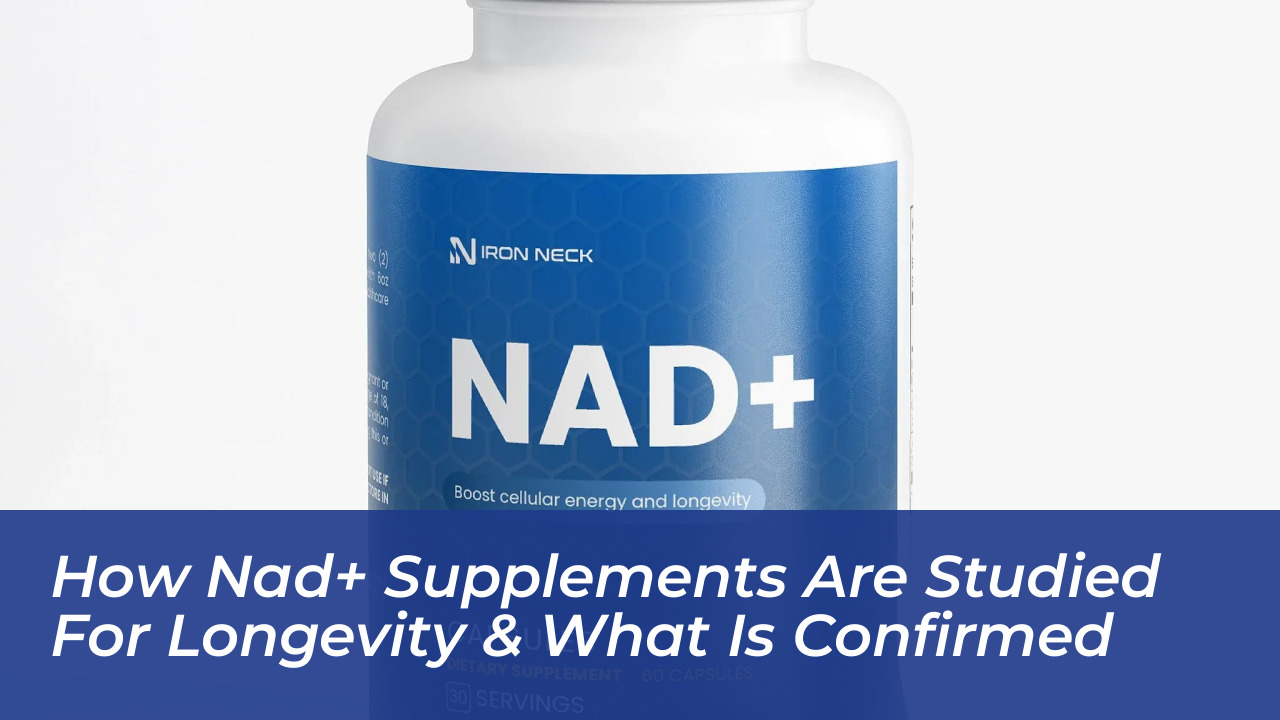
Nicotinamide adenine dinucleotide (NAD+) is a vital coenzyme found in every living cell, responsible for converting food into usable cellular energy. It also drives critical processes like DNA repair and sirtuin activation. However, human tissue measurements show that NAD+ levels decline significantly with age-dropping by roughly 50% between young adulthood and the seventh decade of life. This natural decline has fueled a massive wave of interest in longevity science, leading many to wonder if boosting NAD+ can slow down aging.
While animal studies consistently demonstrate that restoring NAD+ improves mitochondrial function and extends healthspan, translating these findings to humans remains complex. Clinical investigations over the years have helped separate robust scientific facts from marketing hype.
The Role of NAD+ in Cellular Health
Every cell in the human body relies on NAD+ to power foundational biochemical processes. The primary functions of this crucial coenzyme include:
- Energy Production: NAD+ acts as an electron shuttle during cellular respiration, helping generate adenosine triphosphate (ATP).
- DNA Repair: PARP enzymes consume NAD+ to locate and patch up damaged strands of DNA.
- Gene Regulation: Sirtuins (SIRT1-7) depend entirely on NAD+ to regulate metabolism, combat oxidative stress, and manage aging hallmarks.
As humans age, the body’s supply of NAD+ plummets due to increased consumption by overactive PARP enzymes and rising levels of CD38, an enzyme that actively degrades NAD+ during chronic inflammation.
Popular Methods to Boost NAD+
Because the NAD+ molecule itself cannot survive digestion intact, researchers and supplement makers focus on precursor molecules that cells can easily convert into NAD+:
- Nicotinamide Riboside (NR): Backed by a relatively large published clinical trial base, NR reliably increases blood NAD+ levels.
- Nicotinamide Mononucleotide (NMN): Closely studied by longevity researchers, NMN is another direct precursor that elevates circulating NAD+.
- Intravenous (IV) Infusions: Wellness clinics offer direct IV drips to bypass digestion, though they come at a significantly higher financial cost and lack long-term outcome trials.
What Human Clinical Trials Have Confirmed
Recent systematic reviews and randomized controlled trials paint a clear, nuanced picture of what NAD+ precursors can and cannot achieve in humans:
- Blood Levels Rise Reliably: Multiple short-term trials confirm that oral NMN and NR supplementation successfully raise blood NAD+ levels by 40% to 100%.
- Mixed Results in Healthy Adults: Large, definitive trials tracking metabolic and clinical outcomes in healthy populations have largely shown that raising blood NAD+ does not automatically translate to sweeping age-reversal or improved physical performance.
- Targeted Population Benefits: Specific groups have shown measurable responses. For example, a 2024 trial (the NICE trial) demonstrated that NR improved walking distance in patients suffering from peripheral artery disease.
- Favorable Short-Term Safety: Standard daily doses ranging from 250 mg to 1,000 mg generally present a safe profile with mild or infrequent side effects, though long-term safety data beyond 12 months remains limited.
An Evidence-Based Approach
For adults considering an NAD+ supplement, current science suggests treating precursors as a low-risk, personal experiment rather than a guaranteed fountain of youth. Establishing a solid wellness foundation-such as engaging in consistent cardiovascular exercise, prioritizing restorative sleep, and eating a nutrient-dense diet-remains the most thoroughly proven strategy for supporting long-term health and vitality.