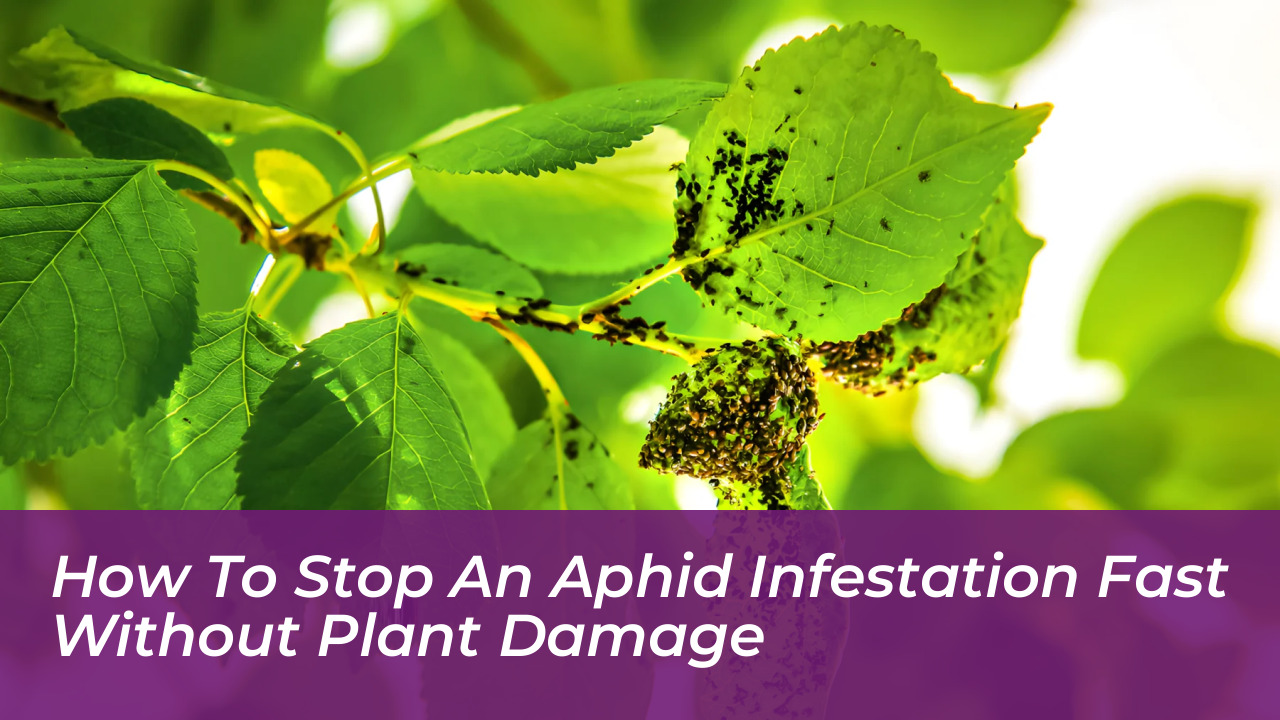
Controlling an aphid invasion does not require saturated chemical sprays if you catch the colony before it multiplies across tender new growth. Direct water rinses, mild soap mixtures, and targeted interventions can stop these pests immediately while preserving your garden foliage. Acting at the first sign of curling leaves stops population explosions before irreversible plant damage occurs.
Due to high traffic on this story, please verify you are not a bot to instantly unlock the remaining content. Takes only 5 seconds!
Verify & Continue ReadingThese destructive insects feed by piercing plant tissues to drain vital sap, concentrating heavily on flower buds, shoot tips, and leaf undersides. Depending on the species and the host plant, they appear green, black, gray, yellow, or dark brown. Their feeding weakens cellular pressure, leaving foliage deformed, yellowed, and coated in sticky honeydew. This sugary residue quickly invites foraging ants and creates a fertile breeding ground for black sooty mold, a dark fungal film that chokes off photosynthesis.
Fortunately, minor clusters do not require aggressive synthetic compounds. Starting with low-impact physical and organic controls keeps plants thriving while maintaining biological balance in residential beds and balcony planters.
The First Line of Defense: High-Pressure Water Rinses
The simplest mechanical technique requires no commercial preparations or active ingredients. Washing infested plants with a targeted stream of plain water dislodges nymphs and adults from undersides and shoot tips, cutting down population density immediately. Sturdier outdoor shrubs can handle stronger hose pressure, while delicate balcony plants and tender annuals require a gentler spray to prevent stem breakage. Indoor potted specimens can be moved straight to a household shower or rinsed outdoors with a watering can.
A single rinse rarely eliminates every insect tucked inside curled foliage. Regular follow-up applications every few days ensure that newly hatched pests are displaced before they re-establish feeding sites, all without introducing foreign chemicals into the soil.
Step-by-Step Rinsing Routine
- Inspect the undersides of leaves and growing tips to identify active colonies.
- Support delicate branches with one hand while directing the water spray with the other.
- Rinse the entire foliage surface, paying special attention to crevices around leaf nodes.
- Allow foliage to dry in an area with good air circulation to prevent fungal dampness.
- Recheck the plant after 48 hours to remove any remaining pests.
Targeted Treatments: Mild Soaps and Pure Neem Oil
When mechanical rinsing leaves stubborn pockets behind, a diluted solution of pure, additive-free liquid soap serves as an effective contact control. The soap disrupts the protective waxy cuticle on the body of the insect, causing it to dehydrate rapidly. Concentration demands strict precision. Applying solutions that are too potent will scorch leaf margins just as quickly as it kills pests. Always use a gentle formulation without fragrance, degreasers, or harsh detergents, and spot-test the spray on a single leaf before covering the entire plant.
Neem oil, pressed from the seeds of the neem tree, provides another organic tool by interfering with insect feeding and hormone development. Because natural oils can still harm beneficial species upon contact, applications should never be sprayed indiscriminately over flowering blooms visited by active pollinators. High temperatures and intense midday sunlight magnify the risk of oil-induced foliage burn. Schedule soap or neem applications strictly during overcast periods or late in the evening so the liquid dries safely without baking the leaves.
Comparing Home Aphid Management Strategies
To help you choose the right approach for your specific garden setup, review the management methods below:
- Targeted Water Stream: Ideal for small infestations; zero chemical residue; requires repeat sprays on leaf undersides.
- Diluted Soap Wash: Disrupts the pest cuticle on contact; test on small sections first to prevent leaf tissue burn.
- Neem Oil Solution: Suppresses feeding and growth cycles; apply only during low light to protect foliage and pollinators.
- Beneficial Predators: Provides self-sustaining ecological control; requires tolerating minor pest presence for food.
Myth vs. Reality: The Truth About Natural Remedies
A widespread gardening myth claims that any plant-based or pantry-derived mixture is entirely harmless to vegetation. In reality, unregulated internet recipes featuring high concentrations of household vinegar, pure rubbing alcohol, or concentrated essential oils regularly destroy garden crops.
Vinegar is a non-selective contact herbicide that strips protective plant waxes, causing cellular collapse and dead leaf tissue within hours. Similarly, unbuffered alcohol and essential oils can dissolve plant membranes. For edible crops, observing proper pre-harvest intervals and following product labels on registered plant-protection products remains vastly safer than unregulated chemical experiments.
Recruiting Beneficial Predators for Long-Term Balance
Total eradication is neither realistic nor necessary for a thriving garden ecosystem. Healthy outdoor landscapes rely on a balanced food web where natural predators keep herbivorous pests under sustainable thresholds. Ladybugs, predatory lacewing larvae, and hoverfly larvae consume substantial quantities of aphids every day.
Saturating plants with broad-spectrum insecticides wipes out these beneficial allies, leaving your garden vulnerable to worse secondary infestations once the chemical dissipates. Integrating diverse flowering plants that supply nectar and pollen throughout the growing season builds a permanent habitat for these predators. A biodiverse garden will not eliminate every single pest overnight, but it creates enduring resistance that protects crops season after season.
Check your garden plants early and often to catch clusters on leaf undersides before full colonies establish. Rely on the gentlest interventions first by washing away pests with clean water before reaching for stronger solutions. Give beneficial predators a chance to work so nature can restore its own equilibrium across your flower beds and containers.
Frequently Asked Questions
Do aphids bite people or pets?
No. Aphids feed exclusively on plant sap through mouthparts built for piercing plant tissue, not skin, so they pose no bite or sting risk to humans or pets.
Will aphids kill my garden plants?
Rarely on established, healthy plants. Most mature plants tolerate feeding and recover once the colony is controlled or predators arrive. The greater risk is on seedlings, stressed plants, or vegetables where aphids transmit viruses.
Can I eat vegetables that had aphids on them?
Yes, after a thorough washing. Aphids and their honeydew rinse off completely with clean water, leaving no toxic residue behind on edible produce.
How long does it take for insecticidal soap to work?
Aphids typically stop moving within minutes of contact because soap acts through physical smothering and dehydration rather than a systemic poison. Always check back in two to three days to reapply if any pests were missed.
Why should I avoid using household dish soap?
Household dish soaps are formulated to cut grease and oil, meaning they can easily strip the protective waxy cuticle off plant leaves and cause severe chemical burns. True insecticidal soaps or pure castile soaps are much safer for garden foliage.