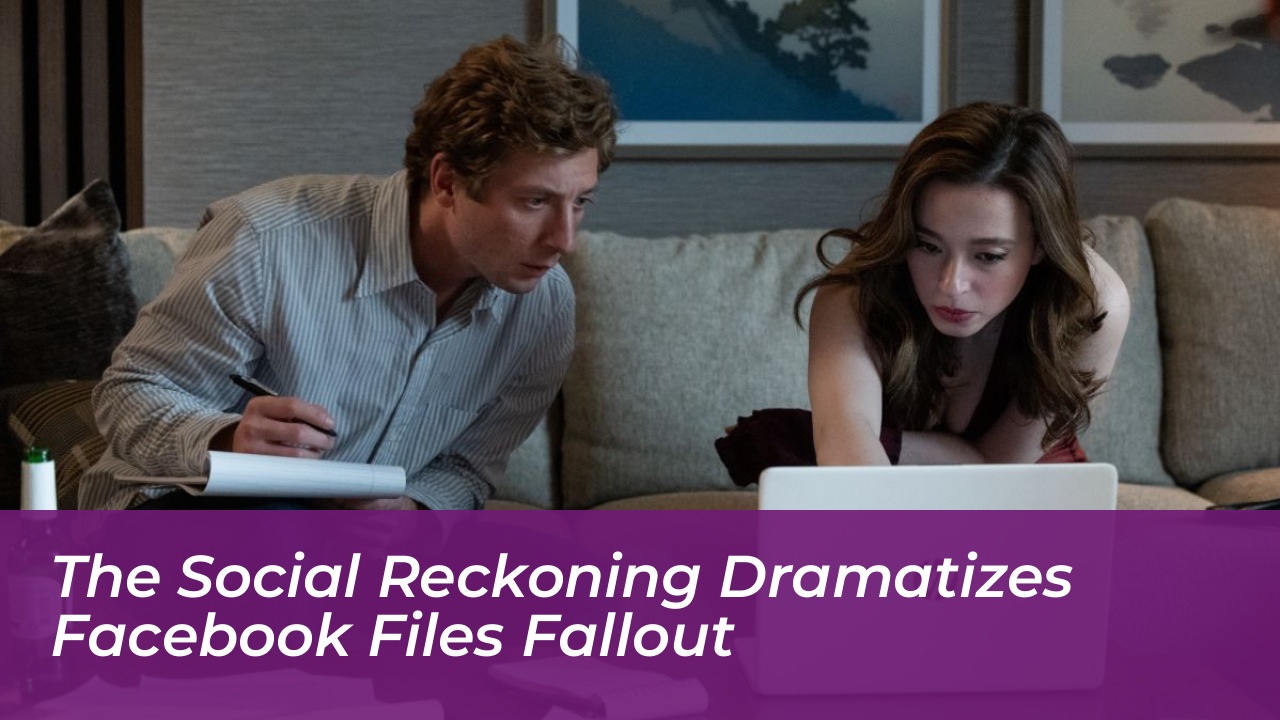


Aaron Sorkin’s latest cinematic venture, The Social Reckoning, turns its gaze away from the founding days of Big Tech and dives straight into the turbulent fallout of the 2021 “Facebook Files.” Released in theaters by Sony Pictures and Columbia Pictures on October 9, 2026, the film operates as a spiritual companion piece to 2010’s The Social Network. Rather than tracking how Mark Zuckerberg built his digital empire, Sorkin’s drama focuses on the human cost of engagement-driven algorithms. It centers on whistleblower Frances Haugen and investigative journalist Jeff Horwitz.
Set across 2019, 2020, and 2021, the story unfolds through a procedural lens. It tracks Haugen’s internal awakening as a product manager on Facebook’s Civic Integrity team, her methodical extraction of sensitive internal documents, and her partnership with The Wall Street Journal reporter Jeff Horwitz. Together, they exposed how the platform allegedly prioritized corporate profits over public safety.
An All-Star Cast Portrays Key Tech Figures
The film features an ensemble cast stepping into scrutinized roles in corporate history. Academy Award winner Mikey Madison portrays Frances Haugen, capturing her transition from a dedicated tech worker to a whistleblower. Golden Globe winner Jeremy Allen White steps into the shoes of Jeff Horwitz, the reporter who spearheaded the investigative series.
Jeremy Strong takes over the role of Facebook founder Mark Zuckerberg, bringing intensity to the billionaire executive as his platform faces global blowback. The supporting cast includes Betty Gilpin, Wunmi Mosaku, Billy Magnussen, and Bill Burr. Behind the camera, Sorkin directs while retaining visual continuity through cinematographer Jeff Cronenweth, who also shot The Social Network.
From Internal Research to Global Headlines
The narrative of The Social Reckoning draws from public reporting, congressional testimonies, and published memoirs. Central to the plot are discoveries made within Meta’s own research archives:
- The Algorithm Outrage Loop: Internal data revealed that 64 percent of users who joined extremist groups on Facebook were directed there by recommendation algorithms that optimized for high-engagement emotional responses like outrage.
- Instagram and Teen Mental Health: Research extracted by Haugen indicated that Instagram worsened body image issues and anxiety for roughly one-third of teenage girls who suffered from negative self-image.
- The VIP “XCheck” System: The documents exposed a secret corporate whitelist that insulated high-profile political figures, celebrities, and athletes from content moderation rules.
These revelations, brought to light by Horwitz’s Wall Street Journal series and amplified by Haugen’s disclosures to the U.S. Securities and Exchange Commission and her appearance on 60 Minutes, catalyzed international legislative scrutiny.
Real-World Context and Critical Reception
The arrival of The Social Reckoning coincides with a period of regulatory reckoning for Meta. The film’s theatrical release follows a $17.1 billion legal settlement approved by a federal court in August 2026, resolving claims brought by 51 U.S. states and territories regarding child safety harms. Additionally, European Union proceedings under the Digital Services Act continue to probe platform addiction features like infinite scroll and autoplay.
Reviewers have noted that while The Social Network felt prescient upon its release in 2010, The Social Reckoning arrives when the tech landscape has shifted toward artificial intelligence and decentralized threats. Nevertheless, Sorkin’s fast-paced dialogue, procedural rigor, and focus on institutional accountability ensure that the film serves as a dramatic archive of one of Silicon Valley’s most turbulent eras.
Frequently Asked Questions
Is The Social Reckoning a direct sequel to The Social Network?
No, writer and director Aaron Sorkin describes the film as a companion piece rather than a traditional sequel. While the 2010 film explored Facebook’s founding and early legal battles, this installment jumps forward over a decade to focus on the 2021 whistleblower disclosures and internal corporate fallout.
Who plays Frances Haugen and Mark Zuckerberg in the movie?
Mikey Madison stars as whistleblower Frances Haugen, while Jeremy Strong portrays Meta CEO Mark Zuckerberg, taking over the role previously played by Jesse Eisenberg in The Social Network.
What real-life events inspired the movie’s plot?
The film is inspired by the 2021 “Facebook Files” investigation published by The Wall Street Journal, which relied on internal company documents leaked by former product manager Frances Haugen.
Did Meta or Mark Zuckerberg participate in the film?
No, Meta and its executives declined to participate in the production of the film and have not issued public comments regarding the project.
What specific harms does the film highlight regarding Facebook and Instagram?
The movie dramatizes internal research showing that engagement algorithms amplified extremist content and that Instagram’s design impacted the mental health and body image of adolescent girls.