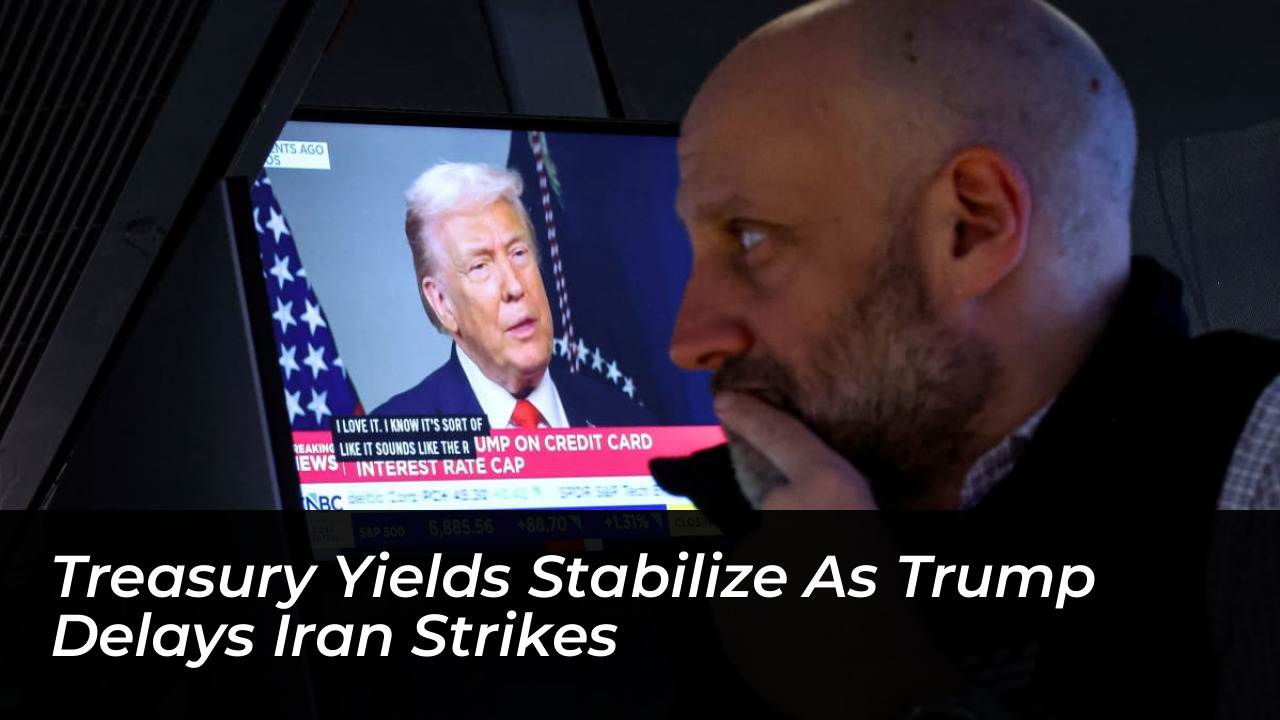

U.S. Treasury yields changed little Friday morning. Investors assessed demand at the latest government bond auction. They also weighed President Donald Trump’s pledge not to launch strikes against Iran before next month’s midterm elections. The comments followed a recent surge in borrowing costs and a shift toward a more diplomatic approach to the Middle East conflict.
According to market reports, the benchmark 10-year Treasury yield rose less than 1 basis point to 5.612%. Meanwhile, the 30-year Treasury yield remained unchanged at 5.6150%. The two-year yield increased less than 2 basis points to 4.774%.
Treasury Yield Movements and Benchmarks
The 10-year Treasury yield serves as a vital benchmark for consumer borrowing costs. These include mortgages, auto loans, and credit cards. Understanding how these yields function provides clarity on broader economic shifts:
- 10-Year Yield: Influences consumer loans and long-term economic outlooks.
- Two-Year Yield: Closely tracks expectations for Federal Reserve interest rate decisions.
- Long-Term Yields: Frequently respond to geopolitical developments and global stability.
Market analysts note that one basis point equals 0.01%. Bond prices move inversely to yields. When geopolitical anxieties cool, debt markets often experience temporary stabilization after periods of volatile borrowing costs.
Geopolitical Impact on Government Bond Auctions
Investors continue to weigh domestic bond auction results alongside international relations. President Trump’s statements regarding military restraint toward Iran have helped calm market jitters. Previously, those jitters drove short-term spikes in yields. As participants monitor future monetary policy meetings and election outcomes, debt instruments maintain a steady trajectory.