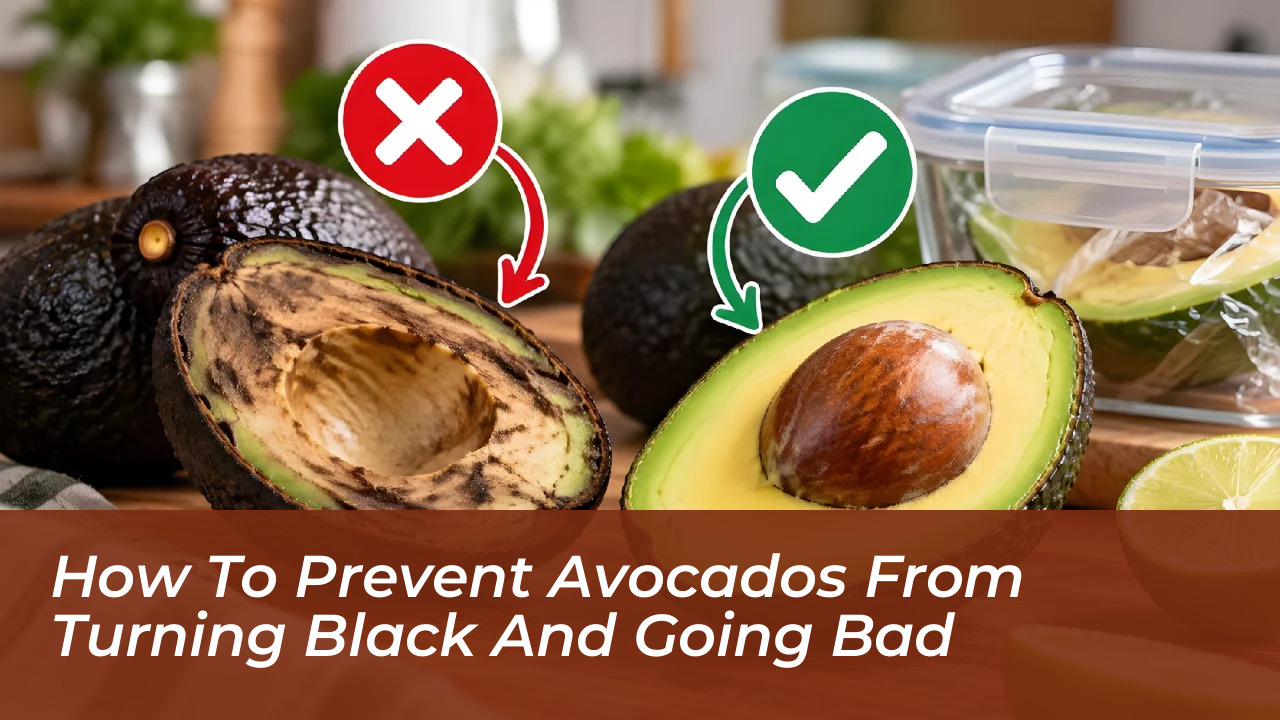

Avocado is one of the most widely consumed foods in households around the world. It is prized for its rich flavor and incredible versatility in dishes ranging from guacamole to salads and toast. However, one of the most common frustrations is how quickly this fruit transitions from perfectly ripe to overly soft, mushy, or completely blackened in just a few days.
Understanding how to properly store avocados depending on their ripeness stage can save money and drastically reduce food waste. Whether you are trying to ripen a batch of hard green fruit or preserve a leftover half, specific techniques make a significant difference.
Storing Unripe Versus Ripe Avocados
The key to extending an avocado’s shelf life lies in identifying the right time to refrigerate it, as not all avocados should be handled the same way.
- Hard, Unripe Avocados: Keep these at room temperature in a cool place away from direct sunlight until they reach your desired level of ripeness. This typically takes four to five days.
- Ripe Avocados: Once they yield slightly to gentle pressure, you can place whole ripe avocados directly into the refrigerator. Low temperatures slow down ripening enzymes, allowing a whole ripe avocado to stay fresh for approximately three to five days.
Research demonstrates that proper temperature control extends shelf life dramatically, with refrigerated storage slowing down enzymatic breakdown. However, avoid storing unripe avocados below 41°F (5°C). Extreme cold can cause chilling injury, leading to uneven ripening and off-flavors.
How to Ripen Avocados Quickly Using the Paper Bag Trick
If you need your avocados to ripen faster for a meal, you can concentrate ethylene gas around the fruit to cut ripening time in half. Place hard avocados inside a brown paper bag alongside a high-ethylene producer like a banana or an apple.
The paper bag traps natural ethylene gas molecules while still allowing oxygen to enter. This creates a controlled microenvironment that accelerates softening. The simple method yields ready-to-eat avocados in just two to three days instead of the usual four to five.
How to Prevent a Cut Avocado From Turning Black
Another common dilemma occurs when you use only half of an avocado and want to save the rest for later. When exposed to oxygen, the exposed flesh undergoes a natural chemical process known as oxidation, turning the surface brown.
To delay this discoloration and protect your leftover fruit, apply these steps:
- Brush or squeeze a few drops of fresh lemon or lime juice over the exposed flesh immediately after cutting. The citric lowers the pH and slows enzymatic browning.
- Press plastic wrap directly onto the surface of the flesh to eliminate air pockets and block oxygen exposure.
- Place the wrapped avocado face-down inside an airtight container and store it in the main compartment of the refrigerator.
Even with these preservation methods, it is always best to consume cut avocados within one to two days to enjoy their optimal flavor and texture.
How to Tell if an Avocado Has Gone Bad
Before consuming an avocado that has been stored for several days, check for physical and aromatic indicators to ensure it is safe to eat:
- Texture: While a ripe avocado should feel slightly soft, an excessively mushy consistency, sunken areas, or a slimy texture indicate advanced bacterial breakdown.
- Smell: Fresh avocados feature a mild, nutty aroma. If the fruit gives off a sour, fermented, or unpleasant odor, it should be discarded.
- Color and Mold: Minor surface browning from oxidation is completely harmless and can be scraped off before eating. However, extensive dark black flesh throughout the fruit or the presence of white, gray, or fuzzy mold means the entire fruit must be thrown away.
By implementing these straightforward storage habits, you can maximize the lifespan of your produce, enjoy fresh avocados for longer, and drastically cut down on kitchen waste.