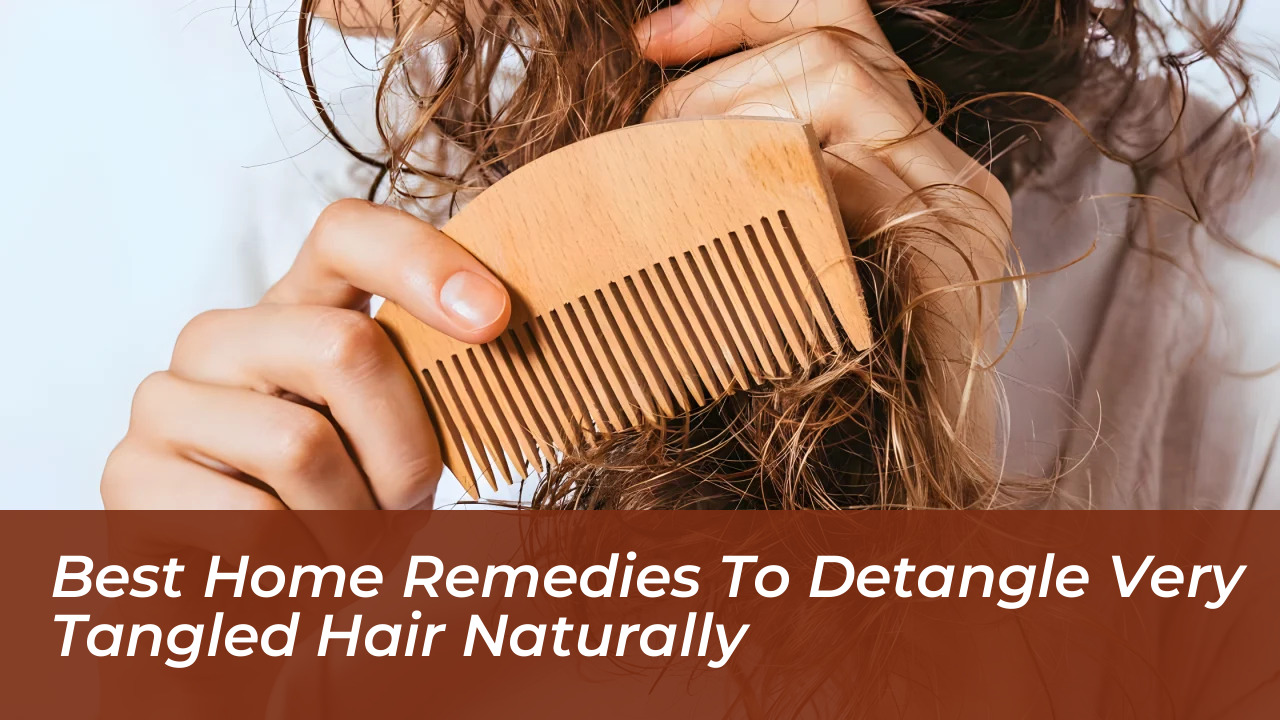

Few situations are as frustrating when styling hair as facing a head full of stubborn knots, where aggressive tugging often ends up snapping and breaking the delicate hair fiber. However, the secret to smooth, manageable locks isn’t using more force. Instead, it requires understanding your specific hair texture and turning to natural, professional-backed solutions that make the task effortless while protecting your strands.
Specialist Pati Liébana, an expert in Ayurvedic plant-based hair care, explains that the key lies in tailoring your routine and technique to your hair type. Joining Liébana’s perspective are insights from hairstylist Leonardo Rocco, natural cosmetics founder Natalia Olmo, and hair care creator Anna Vizcaíno. These experts all agree that dehydration is the primary cause of difficult knots and frizz. Because wet hair loses up to 50% of its tensile strength, combing hair soaking wet without conditioner can cause up to three times more breakage than doing so gently with a plant oil or targeted detangling mist.
Why Hair Type Dictates Your Detangling Routine
One of the most common mistakes in daily hair care is applying the exact same method to every hair type. According to Liébana, the ideal time to tackle knots depends entirely on whether your hair is straight, wavy, or curly.
Detangling Straight Hair
For straight hair, the expert advises addressing knots before washing. “With straight hair, it is best to detangle it dry before washing, because that is when the hair fiber is strongest,” Liébana notes. Brushing dry hair gently from the ends toward the roots helps loosen knots easily and prevents them from tightening when exposed to water. Thoroughly detangling prior to washing allows shampoos, conditioners, and masks to penetrate more evenly, maximizing their effectiveness.
To help the hairbrush glide smoothly and minimize friction, Liébana recommends using a lightweight plant oil: “Among the plant oils used on hair, I especially like hemp oil because it’s very lightweight, has a dry feel, and also adds volume.” Just 6 to 7 drops distributed evenly through the lengths are enough. Pairing this with a natural wooden brush or wide-tooth comb further transforms the experience.
Detangling Curly and Wavy Hair
The scenario changes completely for curls and waves. When textured hair gets wet, it absorbs water, swells, and loses some of its tensile strength, making it much more fragile. Despite this vulnerability, combing a dry curl causes severe mechanical damage and frizz. Therefore, curly and wavy hair should be detangled while wet, specifically after shampooing and before rinsing out your conditioner or hair mask.
Hairstylist Leonardo Rocco emphasizes that undernourished hair is the core culprit behind persistent tangles. “Why does hair tangle? Mostly because it lacks a bit more moisture, more nourishment, and the ends are dry and damaged,” Rocco explains. Natalia Olmo, founder of Maminat, adds that fine or severely dehydrated hair structures are also exceptionally prone to forming stubborn knots.
Expert DIY Home Remedies for Effortless Detangling
To soften the hair fiber and eliminate friction naturally, hair specialists recommend several easy-to-make homemade sprays and rinses:
- Pati Liébana’s Burdock Root Infusion: Burdock root contains inulin, a natural polysaccharide that forms a protective, moisturizing film over the hair cuticle. Boil two cups of water with a tablespoon of dried root for 10 minutes over low heat, steep for 6 minutes, strain, and pour into a spray bottle. Spray onto straight hair after washing as a leave-in treatment to soften fibers and add shine without weighing the hair down.
- Anna Vizcaíno’s Aloe and Coconut Spray: Mix 2 tablespoons of aloe vera, 1 tablespoon of coconut oil, and 2.5 fluid ounces of distilled or boiled water. This budget-friendly, completely natural spray leaves hair deeply moisturized, wonderfully fragrant, and completely free of knots-making it gentle enough even for children.
- Leonardo Rocco’s Apple Cider Vinegar Toner: Mix distilled water with apple cider vinegar (diluted at roughly 1:3). Apple cider vinegar has a natural acidic pH (around 2.5-3.5) that helps balance out alkaline shampoos, seals open cuticles, reduces frizz, and adds brilliant shine as a final rinse.
- Natalia Olmo’s Detangling Mist: Combine hot distilled water with aloe vera, vegetable glycerin, and jojoba oil, finishing with a few drops of rosemary essential oil for a deeply nourishing, scalp-friendly conditioning mist.
The Correct Step-by-Step Detangling Technique
Even the best homemade remedy will fall short if your brushing technique is overly aggressive. Pati Liébana stresses the importance of working in sections to protect the hair fiber.
The correct method involves the following steps:
- Divide your hair into 4 to 6 manageable sections. Studies show this practice alone can reduce styling time by up to 50% and decrease hair breakage by 40%.
- Hold each section firmly with one hand just above the area you are brushing to prevent pulling directly at the sensitive scalp and roots.
- Always start detangling at the very ends, focusing exclusively on the last 1 to 2 inches of the hair.
- Once the ends are completely knot-free, move gradually upward to the mid-lengths.
- Finally, run your brush smoothly from roots to ends.
By pairing these professional techniques with the right natural home remedies and wooden tools, you can protect your hair fiber, eliminate frizz, and enjoy smooth, healthy locks every single day.
Frequently Asked Questions
Why does my hair get tangled so easily?
Hair typically tangles due to a lack of moisture, dryness at the ends, structural damage, or open cuticles that cause strands to latch onto one another. Dehydration is the leading factor behind stubborn knots and frizz.
Is it better to detangle hair wet or dry?
It depends entirely on your hair type. Straight hair is strongest when dry, so it should be detangled before washing. Conversely, curly and wavy hair should be detangled while wet and coated with a conditioner or mask to avoid severe breakage.
Can I use apple cider vinegar on all hair types?
Yes, when properly diluted with water, apple cider vinegar helps balance the scalp’s pH, seals open hair cuticles, and smooths frizz across straight, wavy, and curly hair textures.
How do I prevent hair breakage while detangling?
Always work in sections, hold the hair above the brush to relieve tension on the roots, start brushing from the ends and slowly work your way up, and use natural lubricants like plant oils or a DIY detangling spray.
Are homemade detangling sprays safe for children?
Yes, natural formulations made with distilled water, pure aloe vera, a touch of vegetable glycerin, and mild plant oils are extremely gentle and safe for children’s fine hair.