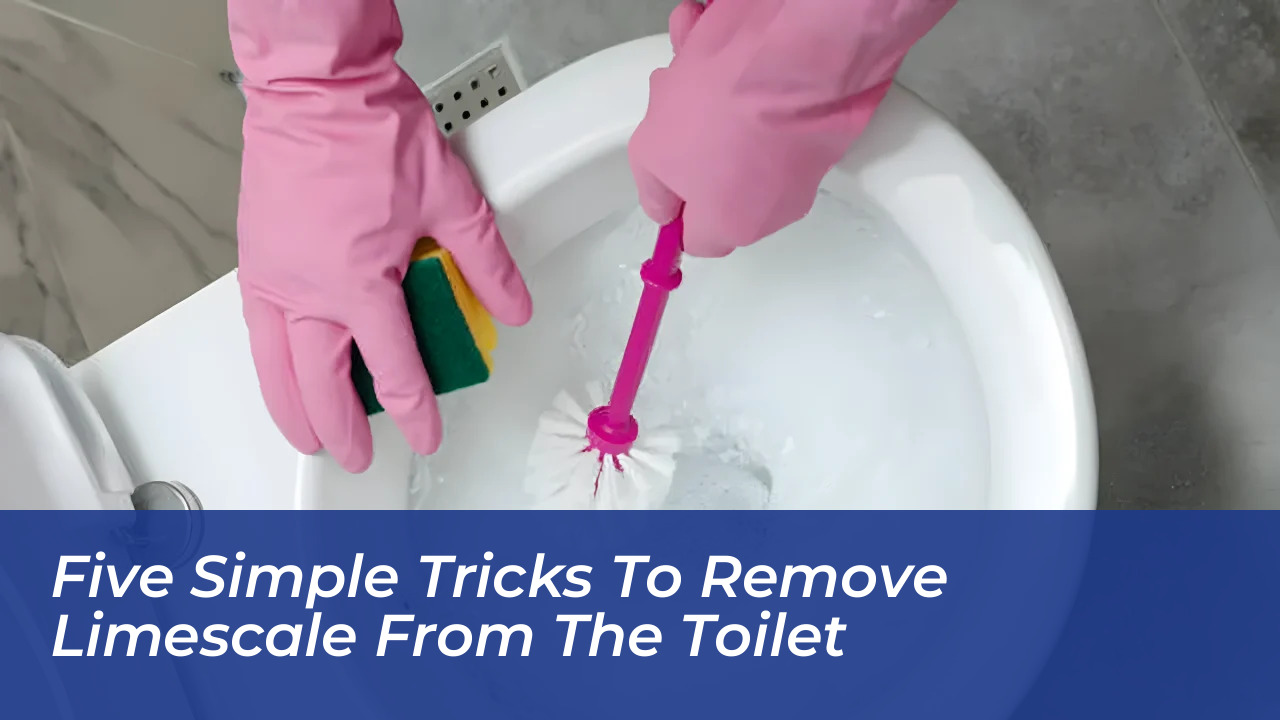

Limescale buildup in the toilet is a common problem during bathroom cleaning routines. This mineral crust causes yellowish and brown stains. It is caused by hard water containing minerals like calcium and magnesium. Over time, these deposits damage the porcelain surface and make the bathroom look neglected. Many people reach for harsh commercial cleaners. However, you can fight mineral buildup effectively without toxic chemicals by using affordable, eco-friendly homemade methods.
Below, we share five simple tricks to remove limescale from the toilet quickly and restore your porcelain’s original shine.
1. White Vinegar and Baking Soda
White vinegar and baking soda form a classic combination against mineral buildup. This method relies on a natural chemical reaction to lift away grime safely.
- Pour one cup of white vinegar directly onto the toilet stains.
- Sprinkle two tablespoons of baking soda evenly over the treated area.
- Let the fizzing mixture sit for 20 to 30 minutes to break down the deposits.
- Scrub thoroughly with the toilet brush before flushing away the residue.
2. Coarse Salt and Vinegar
For heavily encrusted limescale, coarse salt provides a helpful abrasive texture. This texture boosts the descaling action of liquid vinegar.
- Mix half a cup of coarse salt with half a cup of hot vinegar to form a thick paste.
- Apply the paste directly to the heavily affected areas inside the bowl.
- Let it sit for half an hour to penetrate the hardened mineral layers.
- Scrub gently with the toilet brush to dislodge loosened residue without scratching the porcelain.
3. Lemon and Table Salt
Lemons contain natural citric . This acts as a powerful bleach that dissolves limescale deposits and eliminates bad odors.
- Cut a fresh lemon in half and coat the exposed flesh with plenty of table salt.
- Use the prepared fruit like a scrubbing sponge on the stains at the bottom and around the rim.
- Allow the juice and salt mixture to sit for a few minutes.
- Rinse thoroughly with clean water by flushing the toilet.
4. Carbonated Soda
Popular carbonated drinks, especially cola varieties, contain phosphoric and carbonic acids. These acids break down tough mineral deposits inside the toilet bowl.
- Pour an entire can or bottle of soda directly onto the inside walls of the toilet to cover the visible stains.
- Allow the soda to sit for at least an hour, or leave it overnight for severe buildup.
- Scrub with a toilet brush and flush the system to wash away the loosened dirt.
5. Citric Powder
Citric powder is a powerful eco-friendly alternative for dissolving persistent mineral deposits without harming household plumbing.
- Dissolve three tablespoons of citric powder in a quart of warm water.
- Pour the liquid mixture directly into the toilet bowl.
- Let the solution sit undisturbed between 45 minutes and an hour.
- Use the toilet brush to wipe away the loosened limescale and flush the toilet.
Frequently Asked Questions About Toilet Limescale Removal
Why does limescale form in the toilet bowl?
Limescale forms due to hard water containing high concentrations of calcium and magnesium. When water sits in the bowl and evaporates, these minerals crystallize and bond to the porcelain surface, creating hard crusts and stubborn stains.
Are homemade descaling methods safe for septic tanks?
Yes, natural ingredients like white vinegar, baking soda, lemon juice, and citric powder are safe for septic systems. Unlike heavy bleach-based cleaners, they do not kill the beneficial bacteria required for proper septic tank function.
Can I leave acidic solutions like vinegar in the toilet overnight?
Leaving white vinegar or citric solutions in the toilet bowl overnight is safe and yields good results for thick limescale deposits. However, avoid leaving abrasive pastes or harsh commercial acids sitting for extended periods to protect the glaze of older porcelain.
What tools should I avoid using on toilet porcelain?
Avoid using steel wool, metal scrapers, or abrasive scouring pads on your toilet. These metallic tools can scratch and ruin the protective porcelain glaze, creating microscopic grooves where future limescale and bacteria will adhere faster.
How often should I clean my toilet to prevent limescale buildup?
To prevent heavy limescale rings from forming, deep clean your toilet using a preventative vinegar or baking soda treatment at least once every two weeks, depending on the hardness of your local water supply.