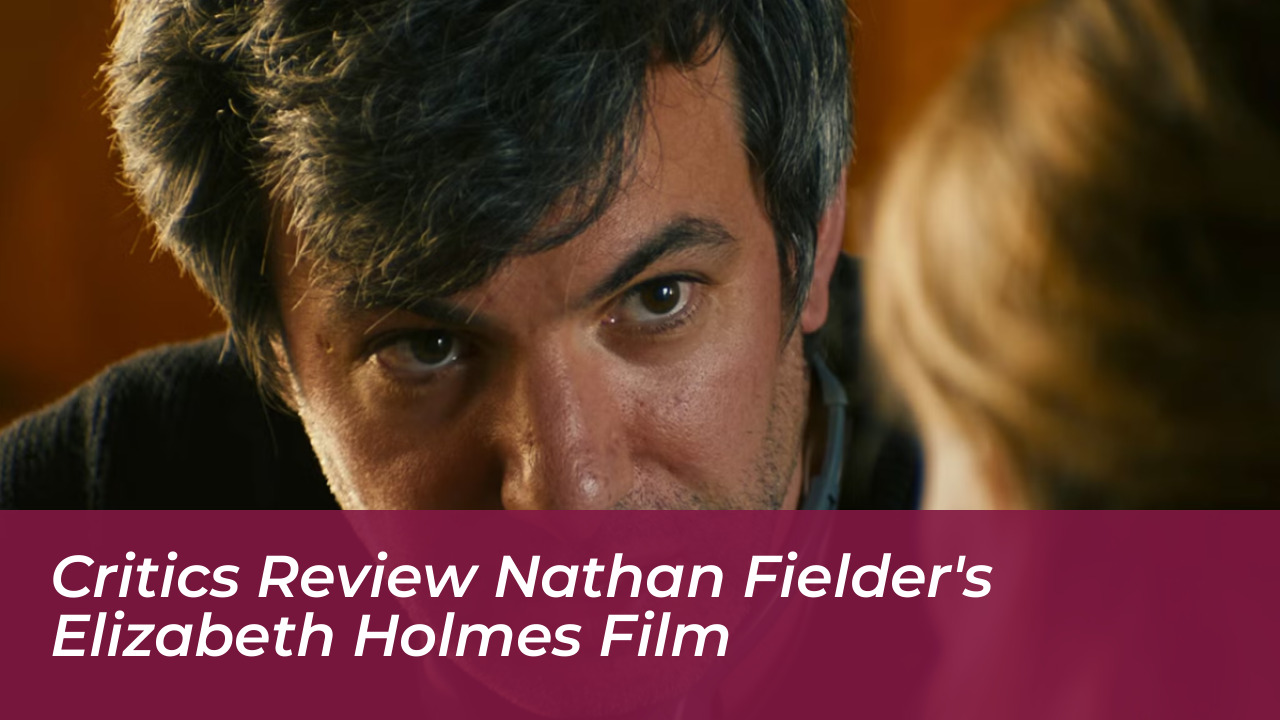

A new documentary following former Theranos founder Elizabeth Holmes in the weeks leading up to her scheduled imprisonment has sparked intense reactions from festival audiences and critics alike. Titled You Can See Everything, the film was co-directed by Nathan Fielder and Lance Oppenheim. It premiered unexpectedly at the Telluride Film Festival in September before its wider theatrical rollout by A24.
The 174-minute feature grants an intimate, albeit deeply unsettling, look inside the home of Holmes and her romantic partner, Billy Evans. Filmed secretly over nearly four years, the production captures the 34 days before Holmes reported to a federal prison in Bryan, Texas, to begin serving an 11-year sentence for fraud following her 2022 conviction.
Critical Acclaim and Rotten Tomatoes Success
Upon its surprise debut, You Can See Everything achieved a rare 100 percent score on Rotten Tomatoes, drawing universal praise from major publications. Critics have lauded the project as a groundbreaking entry in the documentary genre, with some even arguing it belongs in the conversation for major Academy Award consideration.
Nick Schager of The Daily Beast called the movie an “all-time great mind-melter” and “a documentary that stands shoulder-to-shoulder with the form’s all-time greats.” Meanwhile, The Guardian awarded the film five stars, hailing it as a “modern masterpiece of deceit” that transcends conventional non-fiction storytelling by blending docudrama and reality-television psychodrama.
Other reviewers emphasized the unprecedented level of access Fielder and Oppenheim secured. Variety noted that the project is “just about the furthest thing from a ‘pure’ documentary you’ve ever seen,” while TheWrap praised it for uncovering complex new layers to the highly publicized Holmes saga.
Divisive Elements: Runtime, Cringe, and Cruelty
Despite the overwhelming praise, critics remained divided on certain aspects of the nearly three-hour runtime and the ethical implications of Fielder’s trademark confrontational style. Shane O’Neill of The Washington Post described the film as a “tough watch” for even the most dedicated fans of cringe comedy, noting that the slow pacing and intense discomfort generated a literal stomachache by the second hour.
The New Yorker critic Richard Brody raised questions about Fielder’s treatment of Holmes. He argued that sarcastic exchanges and moments where Fielder appears to embarrass Holmes in front of her parents introduce “an air of cruelty.” Brody also critiqued the film’s editing choices, though he ultimately acknowledged the final product as “strangely, poetically, poignantly beautiful.”
Unpacking the Narrative and Dynamic with Billy Evans
As the narrative unfolds, attention frequently shifts to Holmes’s husband, Billy Evans, an heir to a hotel group whose overbearing presence becomes a central focal point of the documentary. Scenes such as Evans snatching a whisk away from Holmes to show her the “right way” to mix eggs highlight an uneasy domestic dynamic that investigators and audiences have rushed to dissect.
Throughout the film, Fielder presses Holmes on her perception of her crimes, eliciting moments of confusion and rare tears. In one poignant exchange, Holmes remarks, “It took me a really long time to be OK with letting someone see me cry.” By capturing these raw, often ambiguous interactions, You Can See Everything forces viewers to question the boundary between performance and authenticity, cementing its status as one of the most talked-about cinematic experiments of the year.
Frequently Asked Questions About You Can See Everything
Who directed You Can See Everything?
The documentary was co-directed by Nathan Fielder, known for The Rehearsal and Nathan for You, and Lance Oppenheim, director of Primetime.
When and where did the film premiere?
The film premiered in a surprise screening at the Telluride Film Festival in September before receiving a theatrical release via A24.
What is the runtime of Nathan Fielder’s Elizabeth Holmes documentary?
The runtime of You Can See Everything is 174 minutes (nearly three hours).
Why was Elizabeth Holmes in prison?
Elizabeth Holmes was convicted of fraud in 2022 after deceiving investors regarding Theranos, a blood-testing startup that falsely claimed to run comprehensive medical diagnostics using only a few drops of blood.
How long was the documentary in production?
The filmmakers captured footage largely in secret over a period of nearly four years, focusing heavily on the weeks leading up to her surrender to federal prison.