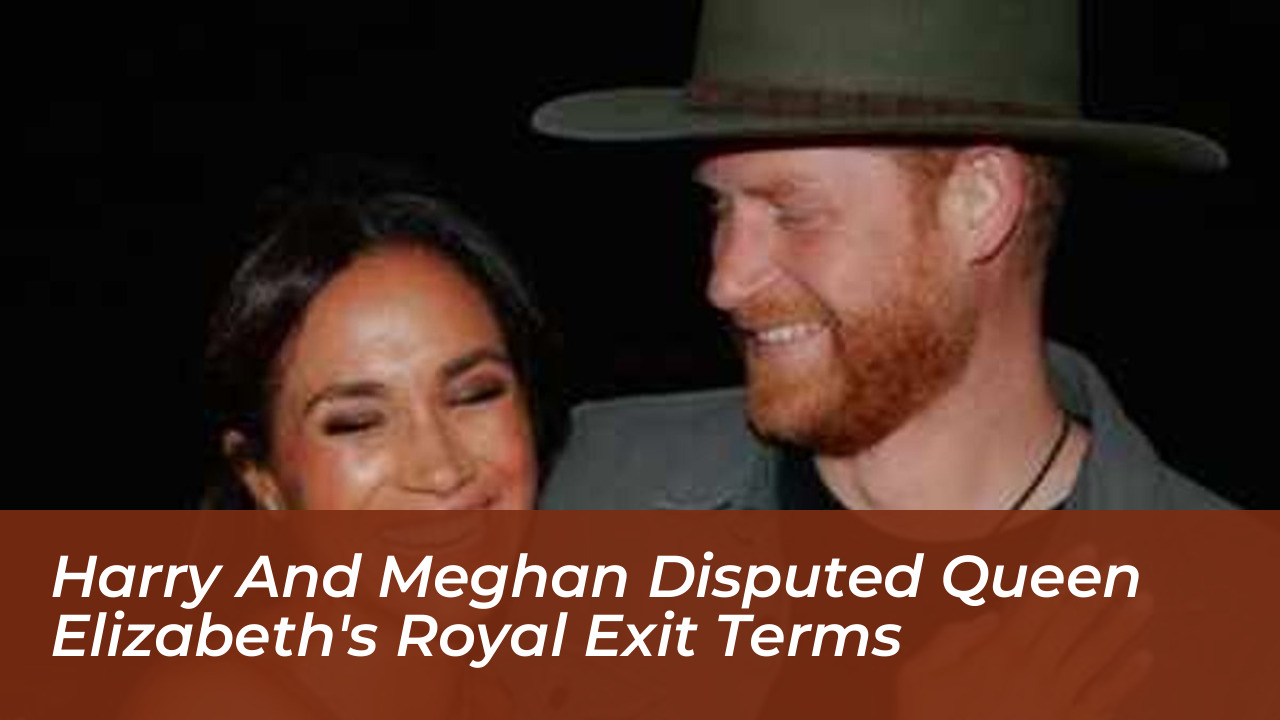

Prince Harry and Meghan Markle never fully agreed to the strict terms of their departure from working royal duties in 2020, according to reports examining the historical dynamics of the high-profile family exit. The Duke and Duchess of Suss*x initially sought a “half in, half out” arrangement. This plan would have allowed them to retain minor royal responsibilities while pursuing independent commercial and private ventures.
However, that proposal faced a swift rejection from the late Queen Elizabeth II. The sovereign ruled that members of the royal family could not represent the monarchy while engaging in independent commercial activities for personal financial gain. That firm boundary shaped the definitive terms of their departure during the Sandringham Summit and redefined their lives outside the working institution.
The Sandringham Summit and Enforced Boundaries
The constitutional dilemma came to a head in January 2020 during a private 90-minute meeting at Sandringham. The meeting involved Queen Elizabeth II, then-Prince Charles, Prince William, and Prince Harry. While the late monarch did not prevent the couple from stepping away, she maintained that duty left no room for compromise. Sources close to the situation noted that the Queen viewed the dual role as untenable, establishing the rule that individuals were either working for the institution fully or not at all.
Subsequent reports and biographical accounts highlighted that the outcome felt less like a negotiated compromise to the Duke and Duchess and more like an enforced directive. A statement cited in media reports described the couple’s stance on the matter: “It doesn’t trouble them. They never agreed they wouldn’t be half in, half out. That was what was decided and foisted upon them.”
Lasting Fallout and Contemporary Tensions
The definitive ruling stripped the couple of their official HRH styles, major military appointments, and royal patronages. It also required them to repay public funds spent on the renovation of Frogmore Cottage. Although the arrangement formally concluded their time as active representatives of the crown, debates regarding public perception and public appearances continue to surface.
Royal commentators and palace insiders have frequently pointed out that public engagements undertaken by the Suss*xes often mirror official royal tours. This draws criticism from traditionalists who argue it blurs the line between private citizens and working royals. Despite the passage of years and King Charles III stepping into his role as monarch, the fundamental parameters established by Queen Elizabeth II continue to govern the formal boundaries of the British royal family.