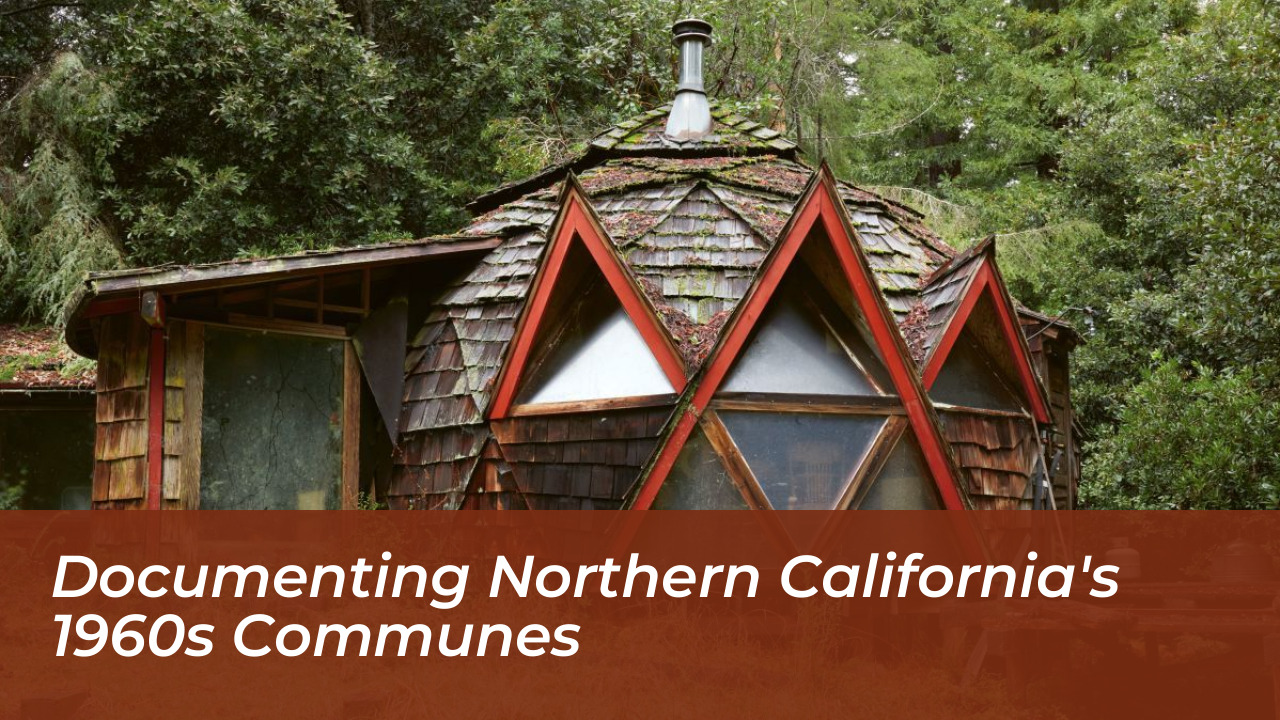
The book documents vanishing 1960s communes in Northern California through recent documentation projects like David Jacob Kramer and Michael Schmelling’s publication “Handmade Utopia.” This decade-spanning work captures a fading piece of American history, tracking the remaining communes and aging residents of the iconic back-to-the-land movement. Over forty oral histories and detailed photographs record vernacular structures that disappear as original occupants pass away or relocate. Hundreds of thousands of Americans established these self-sufficient settlements during the peak of the counterculture. They built homes using salvaged timber, alternative energy systems, and DIY construction manuals. Today, researchers race against time to record these sites before vernacular buildings collapse entirely.
- Roots of the Back-to-the-Land Movement
- Rejecting Cold War Corporate Culture
- From Urban Enclaves to Rural Sanctuaries
- Architectural Legacy of DIY Communities
- Ingenuity Born from Necessity
- Physical Decay and Environmental Reclamation
- Oral Histories Against Cultural Amnesia
- Capturing First-Hand Accounts Before They Disappear
- Reflections from Table Mountain Commune
- Contradictions and Realities Within the Counterculture
- Egalitarian Ideals Versus Authoritarian Realities
- Economic Strains and Modern Property Law
- Evolution of Land Stewardship Models
- Lasting Lessons for Modern Ecological Movements
- Frequently Asked Questions
- What caused the decline of 1960s communes in Northern California?
- How are researchers preserving the history of these settlements?
- Did all Northern California communes fail?
- What architectural styles emerged from these back-to-the-land communities?
Roots of the Back-to-the-Land Movement
Rejecting Cold War Corporate Culture
During the shadow of the Vietnam War, a generation rejected traditional corporate career paths. Systemic disillusionment gripped millions of young Americans who sought alternative lifestyles outside conventional markets and state control. Communalism in Northern California drew fuel from a radical rejection of Cold War militarism and corporate dominance. Utopian visions focused heavily on environmental sustainability, green living, and the revival of collective labor.
New technologies in renewable energy and grassroots agriculture replaced standard employment aspirations. Participants traded consumer capitalism for self-sufficiency, viewing rural isolation as a moral imperative. This mass migration redefined the relationship between citizens and the natural environment, establishing permanent countercultural footholds in the American West.
From Urban Enclaves to Rural Sanctuaries
Urban enclaves like Haight-Ashbury and Berkeley fed directly into rural expansion across Northern California. Free clinics, food conspiracies, and collective art spaces established a blueprint for rural communes in Mendocino, Humboldt, and Sonoma counties. Activists realized that urban protest alone could not build a permanent alternative society. They needed physical space to test cooperative resource sharing and collective economics.
Families and collectives packed their belongings into old pickup trucks and headed for the hills. Cheap land in remote counties made rural ownership possible for cash-poor groups. These initial migrations transformed quiet rural valleys into bustling laboratories for social and agricultural experimentation.
Architectural Legacy of DIY Communities
Ingenuity Born from Necessity
The physical structures of these communes reflect ingenuity born from sheer necessity. Residents constructed geodesic domes, pole barns, and multi-story treehouses without permits or professional engineering help. Publications such as the Whole Earth Catalog and the 1973 publication “Shelter” provided practical guides for survival and off-grid construction.
Builders utilized whatever materials they could scavenge from abandoned logging camps, demolition sites, and local forests. Every wall, roof truss, and window frame told a story of resourcefulness. These buildings prioritized harmony with the landscape over standard architectural symmetry, often wrapping around living trees or utilizing natural rock formations.
Physical Decay and Environmental Reclamation
Time and harsh Northern California weather take a heavy toll on these experimental buildings. Salvaged lumber rots, tin roofs rust, and invasive vegetation reclaims the clearings where gardens once thrived. Without formal architectural protection or historical preservation grants, these physical testaments to communal living vanish year by year.
Forest fires, heavy winter rains, and structural neglect accelerate the disappearance of these historic sites. Documenting them through photography and architectural drawings remains the only way to preserve their physical footprint before nature reclaims the land completely.
Oral Histories Against Cultural Amnesia
Capturing First-Hand Accounts Before They Disappear
As the original pioneers of the 1960s movement reach advanced age, recording their stories becomes an urgent priority. Projects like “Handmade Utopia” and complementary works like “West of Eden” combat historical amnesia. They preserve the unwritten narratives of communards before their lived experiences disappear entirely.
Oral histories reveal the daily routines, interpersonal struggles, and triumphs of building a society from scratch. These accounts provide texture that dry academic histories often miss, capturing the idealism and exhaustion of communal life.
Reflections from Table Mountain Commune
An anonymous resident of Table Mountain Commune recently reflected on the declining social structure and physical decay of these historic sites. Decades of wear and tear left many original structures uninhabitable, forcing aging residents to confront difficult questions about legacy and land ownership.
Generational shifts transformed these once vibrant communities. Many children raised in remote communes chose urban stability over rural isolation, leaving older residents alone to manage vast tracts of deteriorating property.
Contradictions and Realities Within the Counterculture
Egalitarian Ideals Versus Authoritarian Realities
Utopian dreams often collided with harsh human realities. Scholars and surviving residents note several internal conflicts that fractured these communities over time. The tension between absolute egalitarianism and the rise of charismatic authoritarian leaders proved difficult to navigate.
While the rhetoric emphasized total equality, practical management often fell to dominant personalities. This dynamic created internal friction and disillusionment among members who expected a completely flat power structure.
Economic Strains and Modern Property Law
Sustaining cash-poor rural settlements required immense physical labor and financial sacrifice. Property rights disputes emerged as informal land trusts clashed with modern zoning regulations and county building codes. Many communes struggled to pay rising property taxes without standard employment income.
Generational friction intensified as children raised in remote communes reached adulthood and sought legal titles or financial security. These economic and legal pressures forced many communes to dissolve, subdivide, or adopt conventional property management models.
Evolution of Land Stewardship Models
Many surviving settlements transitioned from loose collectives to formal non-profit land trusts. This legal shift protected aging residents from eviction and preserved open space from commercial timber harvesting. Modern land stewards balance public access goals with the ecological carrying capacity of rural ecosystems.
These structural adaptations allowed older communities to survive changing legal landscapes. Legal formalization provided a buffer against predatory development while honoring original anti-capitalist ideals.
Lasting Lessons for Modern Ecological Movements
The book documents vanishing 1960s communes in Northern California, but the lessons extend far beyond historical archive preservation. Contemporary cooperative housing projects and modern eco-villages draw heavily on the structural and social experiments of the 1960s. Modern homesteaders and environmental activists study these early settlements to understand off-grid energy systems, collective governance, and sustainable agriculture.
Preserving these radical spatial experiments ensures future generations understand the complexities of alternative living. The successes and failures recorded across Northern California provide a transparent roadmap for anyone attempting to build a sustainable community today.
Frequently Asked Questions
What caused the decline of 1960s communes in Northern California?
Economic pressures, internal social conflicts, aging populations, and strict modern building codes forced many communes to dissolve or subdivide.
How are researchers preserving the history of these settlements?
Historians and photographers record oral histories, architectural drawings, and vernacular structures before they collapse or face total environmental reclamation.
Did all Northern California communes fail?
Several communities adapted by forming legal land trusts, transitioning into modern eco-villages, or updating their governance models to survive.
What architectural styles emerged from these back-to-the-land communities?
Residents built geodesic domes, pole barns, and recycled timber cabins using salvaged materials and decentralized green technology.