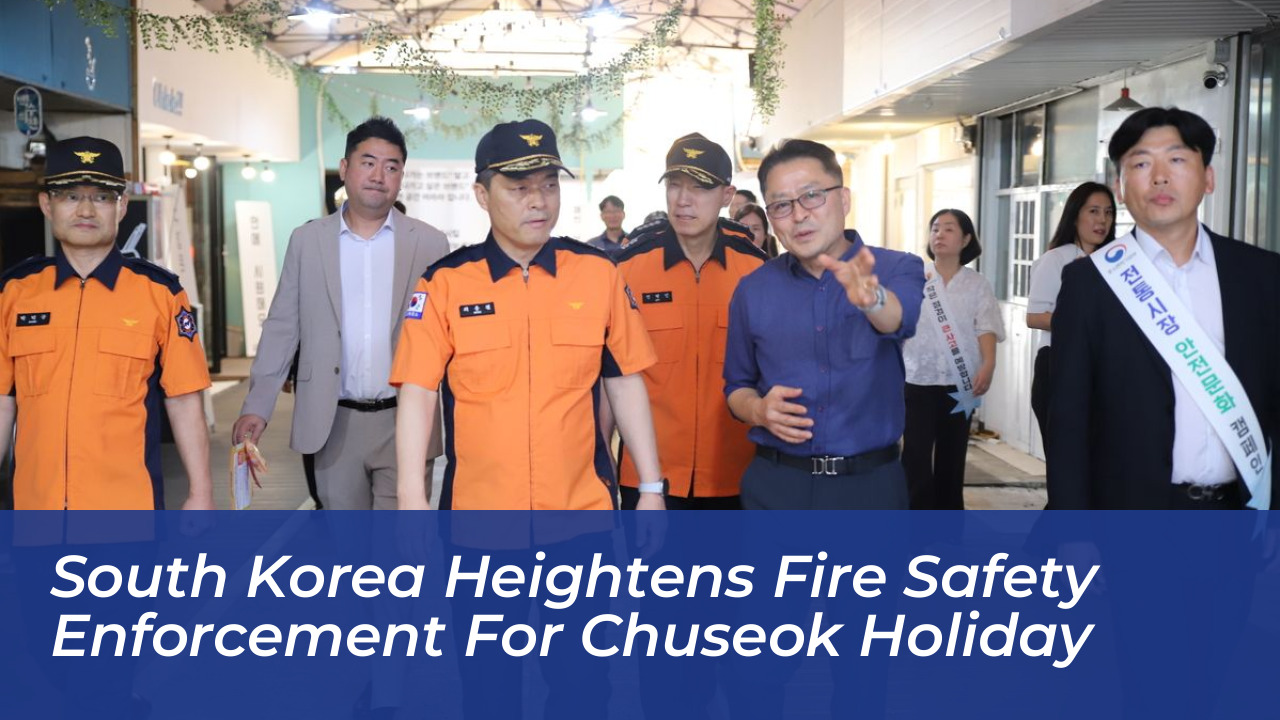
South Korean emergency agencies and municipal governments have implemented heightened fire safety protocols and issued a nationwide special alert ahead of the Chuseok holiday. This decisive action follows rising damage numbers from seasonal blazes recorded over recent years. As millions of citizens travel across the country for family reunions, grave-tending, and ancestral rites, authorities are taking zero chances with public safety.
- National Fire Statistics and Escalating Risks
- Recent Damage Trends From Chuseok Holidays
- Early Holiday Tragedies in the Capital Region
- Korea Forest Service 24-Hour Wildfire Prevention Plan
- Intensified Monitoring at Public Cemeteries and Trails
- Resource Deployment and Aerial Readiness
- Legal Penalties and Strict Fines for Violations
- Overview of the Forest Disaster Prevention Act
- Specific Fine Categories
- Public Safety Guidelines for Chuseok Travelers
- Residential and Kitchen Safety During Family Gatherings
- Outdoor Memorial Site Precautions
- Frequently Asked Questions
- What caused the heightened fire safety enforcement in South Korea?
- What are the fines for illegal burning during Chuseok?
- How can citizens report a wildfire or smoke sighting?
- Are emergency services operating on modified schedules during Chuseok?
The core issue revolves around a dangerous convergence of dry seasonal weather, massive demographic movement, and traditional holiday practices that frequently involve open flames. By combining strict law enforcement with round-the-clock monitoring, South Korea aims to curb preventable tragedies before they overwhelm local emergency response units.
National Fire Statistics and Escalating Risks
Recent Damage Trends From Chuseok Holidays
Data supplied by the National Fire Agency to the office of Representative Ko Dong-jin reveals alarming trends spanning from 2021 through the previous year. During these holiday periods, the country recorded 3,386 individual fires. These incidents resulted in 28 deaths, 171 injuries, and 41.526 billion won in property damage.
A granular breakdown of last year’s holiday figures shows a sharp rise in both incident volume and financial damage. Emergency crews responded to 672 blazes that caused nine deaths, 42 injuries, and 15.707 billion won in property losses. This marked a staggering 69.3 percent rise in incidents and a fourfold surge in damages compared to the preceding holiday period.
Historical analysis indicates that holiday periods create unique risk factors due to vacant urban homes and overcrowded rural properties. Cooking appliances run continuously to feed large family gatherings, increasing kitchen fire risks significantly. Local municipalities analyze past incident reports to deploy preventive patrols to high-risk residential zones proactively.
Early Holiday Tragedies in the Capital Region
The heightened alert status proved tragically necessary as the holiday commenced. On the very first day of the celebrations, separate residential fires claimed one life and injured two others in the capital region and Incheon.
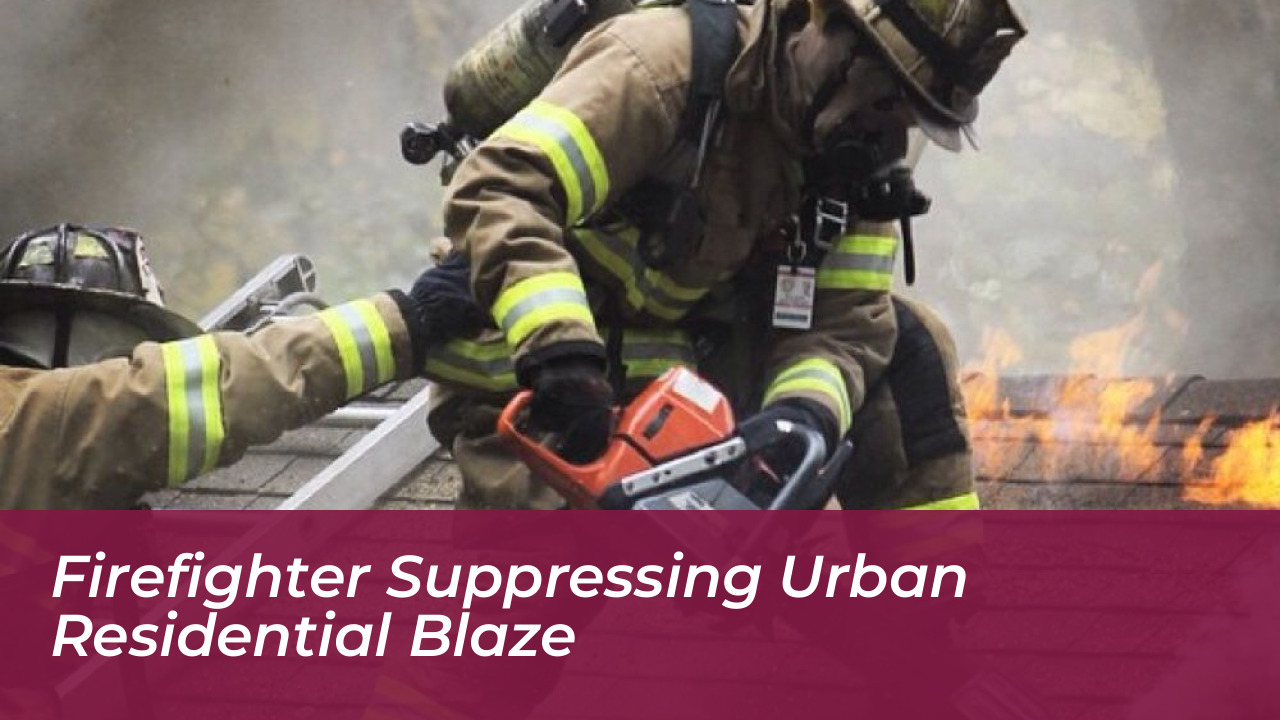
A fire broke out at about 3:19 a.m. on the rooftop of a two-story house in Magok-dong, Gangseo-gu, Seoul. Firefighters deployed 17 vehicles and 58 personnel to the scene, extinguishing the blaze within 23 minutes. A man in his 60s who lived in the rooftop unit died in the fire after flames spread heavily inside the structure.
A separate fire broke out at about 5:48 a.m. the same day at a four-story multi-unit villa in Gajwa-dong, Seohae-gu, Incheon. A man in his 40s suffered burns, and a woman in his 50s received treatment for smoke inhalation. One third-floor unit was completely destroyed, while neighboring hallways sustained severe scorch damage.
Investigators from municipal police departments continue examining electrical wiring and heating systems at both incident locations. Early findings suggest appliance overload combined with combustible materials left near heat sources accelerated the flames. Community leaders urge residents to check smoke detector batteries before leaving properties unattended during holiday travel.
Korea Forest Service 24-Hour Wildfire Prevention Plan
Intensified Monitoring at Public Cemeteries and Trails
With dry and clear weather forecast throughout the holiday week, the Korea Forest Service activated a round-the-clock wildfire prevention emergency system. The agency runs its specialized prevention campaign from September 19 through September 27 to safeguard forested regions where citizens gather for grave-tending and ancestral rituals.
Forest authorities have concentrated monitoring personnel around major public cemeteries and popular hiking paths. Enforcement teams actively crack down on high-risk activities, including illegal open burning and the careless handling of ignition sources near dry brush and forest boundaries.
Park rangers utilize thermal imaging drones to scan dense woodland areas for hidden campfires or unauthorized cooking equipment. These aerial units transmit real-time video feeds to ground command posts, allowing officers to intercept violators immediately. Signage warning visitors about severe dry conditions and strict liability laws appears at every primary trailhead.
Resource Deployment and Aerial Readiness
Firefighting facilities and suppression equipment underwent rigorous advance inspections prior to the holiday rush. Aerial firefighting helicopters and ground suppression crews remain on high alert for rapid deployment to any remote forest sector.
A continuous 24-hour emergency response link operates between the Central Forest Disaster Situation Room and regional municipal offices. This constant communication ensures immediate dispatch of resources the moment smoke or unauthorized burning is detected.
Water tankers and specialized chemical retardant spray trucks stand ready at strategic intersections near national parks. Maintenance technicians perform daily checks on all pumps, hoses, and communication radios to prevent mechanical failures during critical operations. Cooperation between local volunteers and professional firefighters creates a dense safety net across all rural provinces.
Legal Penalties and Strict Fines for Violations
Overview of the Forest Disaster Prevention Act
Under the Forest Disaster Prevention Act, South Korean authorities enforce strict monetary penalties against individuals who ignore seasonal safety warnings. Law enforcement officers maintain zero tolerance for reckless behavior that threatens national forest reserves and residential outskirts.
Courts uphold these financial penalties firmly to deter negligent actions during dry weather states. Police officers can issue citations on the spot when catching individuals violating established environmental and safety ordinances. Public awareness campaigns broadcast these legal consequences across television, radio, and digital billboards nationwide.
Specific Fine Categories
- Open Flames: Lighting a fire or carrying a flame into a forest or adjacent area incurs a fine of up to 2 million won ($1,480).
- Smoking: Smoking or discarding cigarette butts carries a fine of up to 700,000 won ($515).
- Combustible Materials: Possessing unauthorized fire sources or flammable materials in restricted zones subjects violators to a fine of up to 300,000 won ($220).
- Illegal Trash Burning: Burning agricultural waste or household rubbish near wooded areas results in mandatory court summons and maximum financial penalties.
Public Safety Guidelines for Chuseok Travelers
Residential and Kitchen Safety During Family Gatherings
Emergency management officials urge all citizens to adhere strictly to safety protocols while visiting hometowns and temporary holiday lodgings. Never leave cooking appliances unattended in residential kitchens, especially during busy holiday meal preparations.
Residents must also keep emergency exit routes clear in multi-unit housing complexes and traditional family homes to ensure rapid evacuation if a fire breaks out.
Homeowners should unplug non-essential electronic devices before departing on multi-day family trips to prevent short-circuiting. Checking gas valves and sealing flammable liquids in secure storage cabinets reduces household hazard levels significantly. Landlords of multi-unit buildings must inspect fire extinguisher functionality in shared hallways prior to the holiday exodus.

Outdoor Memorial Site Precautions
Travelers visiting outdoor memorial sites must avoid burning paper goods or leaving incense unattended near dry vegetation during ancestral graveside visits. Citizens should utilize digital tools such as the Smart Forest Disaster mobile app to report smoke or suspicious flames instantly.
Families should clear dry leaves and pine needles away from ancestral burial mounds before lighting any ceremonial candles or lanterns. Keeping buckets of water or portable extinguishers nearby ensures immediate suppression if a spark drifts toward dry grass. Municipal workers collect discarded ritual offerings promptly to prevent spontaneous combustion in crowded public cemeteries.
Frequently Asked Questions
What caused the heightened fire safety enforcement in South Korea?
Authorities implemented strict enforcement due to rising damage numbers, including 3,386 fires recorded during recent Chuseok holidays, which caused 28 deaths and billions of won in property losses.
What are the fines for illegal burning during Chuseok?
Lighting a fire in a forest carries a fine of up to 2 million won, smoking carries a fine of up to 700,000 won, and possessing unauthorized fire sources incurs fines up to 300,000 won.
How can citizens report a wildfire or smoke sighting?
Citizens can report smoke or suspicious flames instantly using the official Smart Forest Disaster mobile application or by contacting local emergency services directly.
Are emergency services operating on modified schedules during Chuseok?
Emergency response units, forest service aviation teams, and municipal firefighters operate on reinforced 24-hour schedules with maximum staffing levels throughout the holiday week.