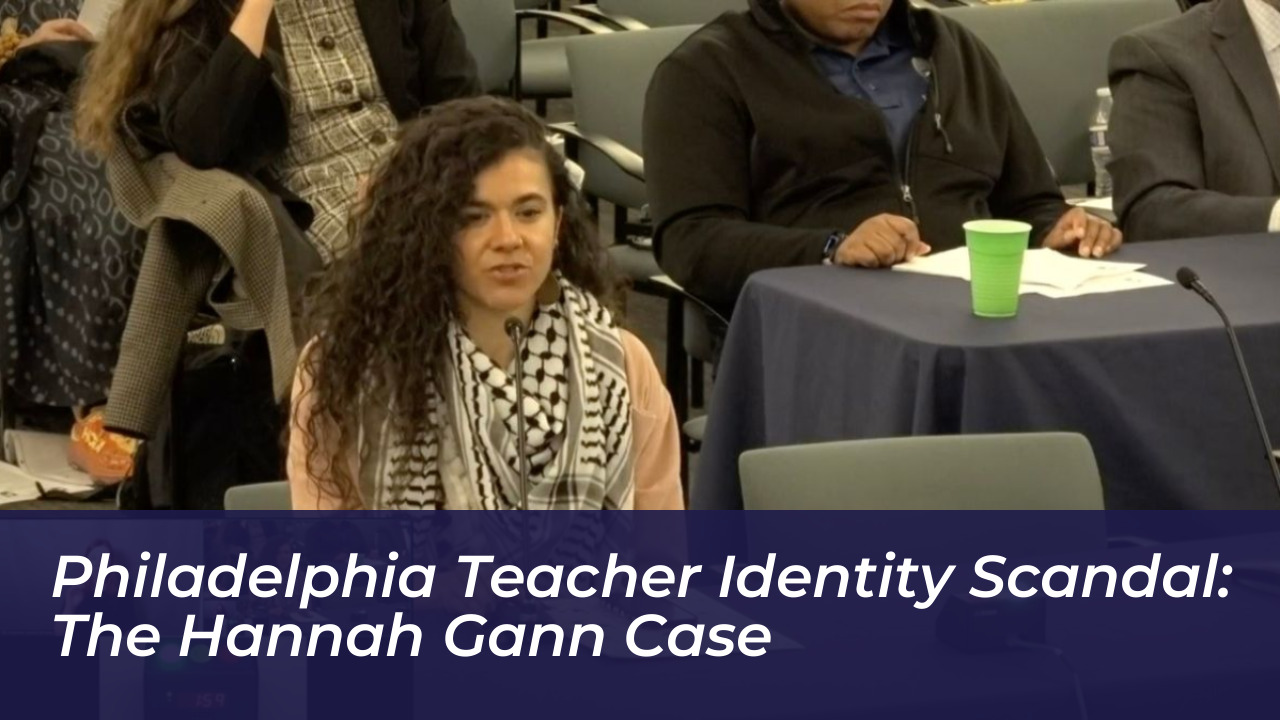
The exposure of Hannah Gann exposes a complex collision of personal deception, intense political polarization, and modern social justice organizing. As a tenth-grade social studies teacher at The Workshop School in West Philadelphia, Gann built a prominent profile as a local activist. Over several years, she positioned herself as a woman of color with Palestinian, Tunisian, and Black heritage, capturing the trust of colleagues and students alike. Her public confession of fabricating these ancestral roots sent immediate shockwaves across Philadelphia public education and local activist networks, drawing inevitable comparisons to past high-profile identity deception cases.
- The Anatomy of an Identity Fabrication Scandal
- The Fallout for Local Activist Networks and Allies
- Institutional Response and School District Dilemmas
- Psychological and Sociological Drivers of Ethnic Impersonation
- Legal and Political Implications
- Understanding Ethnic Fraud in Education
- Frequently Asked Questions
- Who is Hannah Gann?
- What did Hannah Gann confess to?
- How did the School District of Philadelphia respond?
- Why do individuals fake marginalized identities?
- Conclusion
The Anatomy of an Identity Fabrication Scandal
Gann’s journey into Philadelphia activism began around 2018 after she relocated to the city following a stint in the Peace Corps in Rwanda. According to testimonies from former classmates and organizational records, her transformation into an activist occurred rapidly. She adopted specific speech patterns and utilized heavy makeup and tans to alter her physical appearance. Over the next six years, her involvement deepened. She co-founded local coalitions, spoke at university teach-ins, and took part in delegations to the West Bank.
Cracks in her fabricated persona began appearing when coalition members noticed glaring discrepancies in her personal narrative. Investigators from the Philly Palestine Coalition scrutinized genealogical records, draft cards, and naturalization papers. They discovered that a Palestinian grandfather Gann frequently referenced was actually born in Baltimore. Confronted with these tangible records during a tense meeting, Gann abandoned her denials. She posted video confessions on Instagram admitting that she is a white woman of Jewish heritage originating from an Israeli settler family.
The Fallout for Local Activist Networks and Allies
The immediate consequence of Gann’s confession was a swift and total severance of ties by the organizations she helped build. The Racial Justice Organizing Committee and Philly Educators for Palestine released a joint statement condemning the deception as a profound betrayal. They noted that Gann exploited the trust, resources, and emotional labor of marginalized communities who welcomed her into leadership roles. Political opponents quickly capitalized on the internal friction, using the scandal to question the credibility of broader progressive initiatives throughout the city.
This situation also exposed severe vulnerabilities in grassroots vetting protocols. Modern progressive coalitions frequently lack baseline verification protocols, prioritizing ideological enthusiasm over factual background checks. When bad-faith actors exploit this trust, they inflict heavy emotional tolls on close allies. Keziah Ridgeway, a fellow Philadelphia public school teacher who fought alongside Gann in pro-Palestinian advocacy, expressed shock upon learning the truth, having defended Gann in good faith based solely on the labor she performed.
Institutional Response and School District Dilemmas
The School District of Philadelphia responded with caution regarding employment actions while moving quickly to offer student and staff support. District spokesperson Monique Braxton confirmed that administrators were aware of the social media posts concerning Gann’s involvement with external organizations. The district deployed support counselors to The Workshop School to assist students and staff navigating the distraction. However, officials declined to comment on specific personnel evaluations or potential disciplinary measures, citing privacy policies regarding public school employees.
This institutional restraint places immense pressure on school leadership to balance employee privacy rights with community demands for accountability. The Workshop School specializes in project-based learning. When faculty members become central figures in high-profile political controversies, the daily learning environment of public high school students suffers. Turning classrooms into ideological battlegrounds compromises neutral educational delivery and places unfair burdens on magnet school students trying to focus on their studies.
Psychological and Sociological Drivers of Ethnic Impersonation
Gann’s actions place a spotlight on the rare but recurring phenomenon of ethnic impersonation within political movements. Psychologists and sociologists note that individuals who engage in prolonged identity fabrication often do so to secure moral authority, social capital, and protection from criticism within specific ideological subcultures. By claiming oppressed identities, individuals attempt to insulate their political arguments from dissent while elevating their personal status among peers.
Adopting marginalized identities allows individuals to speak with unearned authority on systemic oppression. Radical and activist spaces often grant immediate trust to those who share perceived lived experiences of trauma or discrimination. To maintain these deceptions, perpetrators must construct elaborate falsehoods, cutting off family members and childhood friends to maintain the artificial boundary between their past and present lives. This extreme compartmentalization eventually collapses when exposed to basic historical verification.
Legal and Political Implications
The weaponization of identity in modern politics creates perverse incentives for manufacturing authenticity. When public discourse fixates on demographic background rather than policy arguments, individuals feel pressured to curate backgrounds that grant them immediate moral high ground. This cultural dynamic rewards performative identity claims over substantive political engagement.
From an employment law perspective, public school teachers retain First Amendment protections as private citizens speaking on matters of public concern. However, when personal deceptions bleed into public professional advocacy and disrupt the educational mission of a district, valid grounds for administrative review emerge. School districts possess the authority to evaluate professional fitness standards, especially when a teacher’s public conduct undermines classroom neutrality and community trust.
Understanding Ethnic Fraud in Education
Ethnic fraud in educational settings creates severe repercussions for institutional trust and student mentorship. Students rely on authentic guidance from educators who model integrity and professional honesty. When a trusted teacher invents a marginalized background, students and colleagues suffer emotional damage. School boards must establish clear reporting channels to address potential credential fraud without violating privacy laws.
Grassroots activist networks face unique challenges when verifying the personal histories of vocal members. Many organizations fear appearing discriminatory if they demand genealogical proof or strict background documentation from prospective leaders. However, abandoning basic verification practices leaves progressive spaces wide open to bad-faith infiltration and personal exploitation by opportunistic actors seeking social status.
Frequently Asked Questions
Who is Hannah Gann?
Hannah Gann was a tenth-grade social studies teacher at The Workshop School in Philadelphia who fabricated a multi-ethnic background.
What did Hannah Gann confess to?
Gann confessed that she is a white woman of Jewish heritage rather than a woman of color with Palestinian, Tunisian, and Black ancestry.
How did the School District of Philadelphia respond?
District officials offered counseling support to students and staff while maintaining privacy regarding specific personnel evaluations.
Why do individuals fake marginalized identities?
Perpetrators often seek moral authority, social capital, and immunity from political criticism within activist subcultures.
Conclusion
The Hannah Gann scandal extends far beyond an isolated case of personal deception. It highlights structural vulnerabilities in activist vetting protocols and the dangerous intersection of identity politics and public education. Moving forward, both grassroots coalitions and educational institutions must prioritize factual accountability and rigorous vetting procedures. Shifting away from identity-based moral authority will help protect vulnerable communities from exploitation and restore integrity to public advocacy and education.