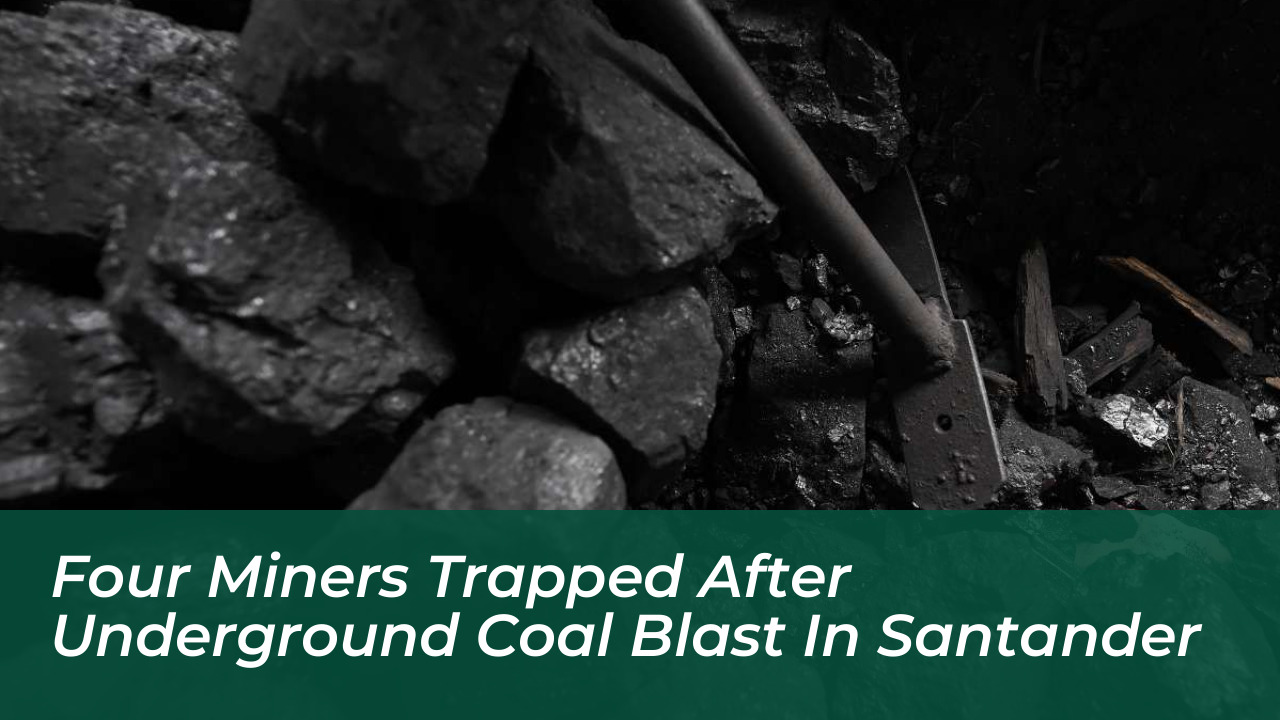
A sudden underground explosion trapped four coal miners inside a subterranean gallery in rural Landázuri, Santander, on September 24, 2026. This industrial emergency occurred within the jurisdiction of the El Carmen rural district, triggering an immediate regional emergency deployment. Responders encountered significant logistical obstacles due to the remote position of the mining facility, located approximately five hours by direct overland transport from the departmental capital of Bucaramanga. This incident underscores ongoing geomechanical hazards and safety compliance issues within Colombian coal extraction sites.
- Emergency Response and Deployment in Landázuri
- Initial Reports and Activation of ANM Protocols
- Geographic Challenges in Santander Mining Regions
- Tactical Rescue Operations Underground
- Deployment of Specialized ANM and Invercoal Teams
- Risk Mitigation Against Secondary Explosions
- Geomechanical and Atmospheric Hazards in Coal Workings
- Methane Accumulation Dynamics and Ignition Vectors
- Coal Dust Suspension and Secondary Blast Risks
- Mandatory Gas Monitoring and Safety Parameters
- Pre-Entry Testing and Ventilation Standards
- Contextual Analysis of Regional Mining Incidents
- History of Mining Disasters in Santander
- Regulatory Enforcement and Future Safety Measures
Emergency Response and Deployment in Landázuri
Initial Reports and Activation of ANM Protocols
Local authorities received initial notifications during the afternoon hours of September 24. Emergency dispatch units mobilized municipal response teams immediately while establishing communications with national mining authorities. The National Mining Agency officially activated its emergency response framework following verified communication from the site manager. Official announcements confirmed four missing workers sealed underground due to the detonation. Technical crews immediately began establishing a central command post at the surface entrance of the mine shaft to regulate incoming personnel and coordinate tactical subterranean penetrations.
Travel to vereda El Carmen requires traversing unpaved mountain corridors that slow heavy transport vehicles. Rescue teams coordinated transit routes to ensure specialized gas monitoring gear and rescue apparatus reached the staging site without operational delays. The urgency of the initial response dictates the survival window for miners trapped behind subterranean blockages.
Geographic Challenges in Santander Mining Regions
The geography of Southern Santander features steep topography, fractured rock formations, and isolated access roads. These spatial factors regularly complicate industrial emergency operations across the municipality of Landázuri. Transporting heavy mechanical ventilation units and high-pressure oxygen delivery systems across rural mountain tracks adds hours to early emergency timelines, elevating operational stress during the initial hours following a structural collapse or blast.
Transit delays over unpaved mountain corridors from Bucaramanga force rescue coordinators to rely on local auxiliary resources. Private vehicles and regional transport trucks often carry the initial wave of emergency medical personnel closer to the portal before specialized heavy machinery arrives at the site.
Tactical Rescue Operations Underground
Deployment of Specialized ANM and Invercoal Teams
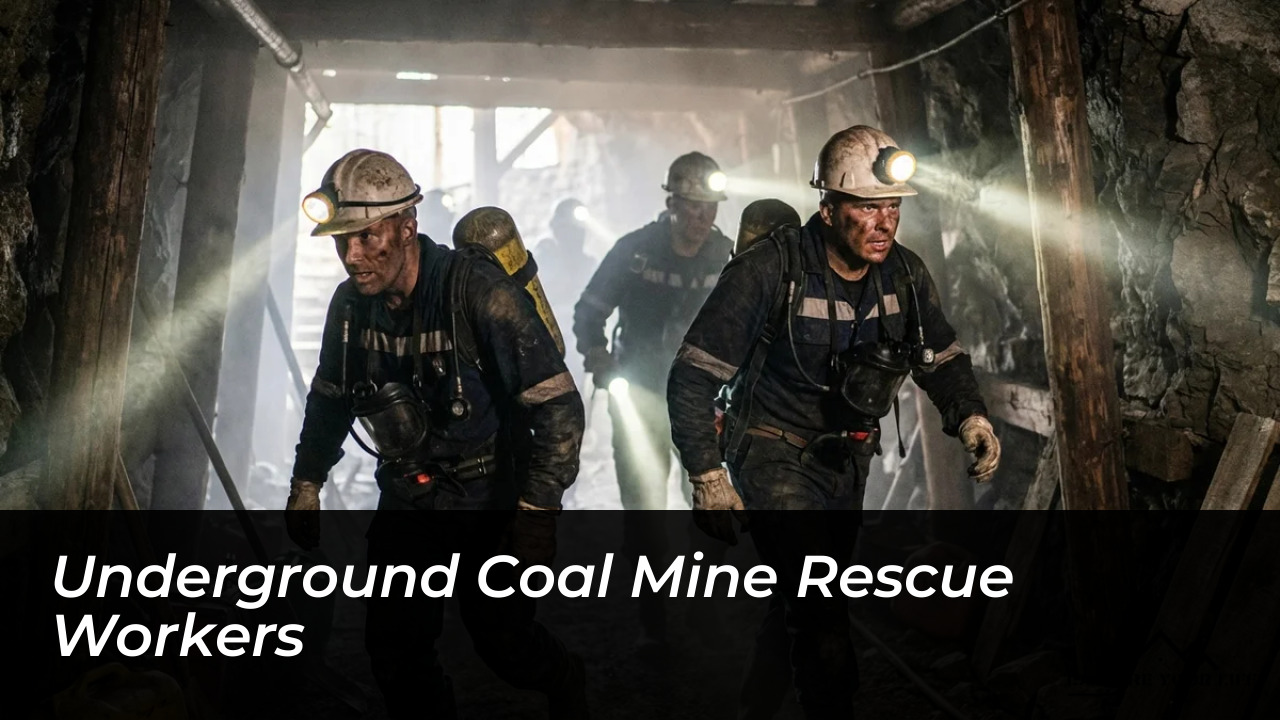
Rescuers face severe hazards upon entering an underground coal environment immediately after a major explosion. Shockwaves degrade structural timbering, disrupt secondary electrical lines, and instantly displace atmospheric oxygen with toxic combustion gases. Tactical operations require systematic containment strategies before search parties advance into inner galleries. The National Mining Agency dispatched specialized personnel from its Mining Safety and Rescue team directly to El Carmen.
These specialists hold training in subterranean extrication, closed-circuit breathing apparatus operation, and hazardous gas mitigation. The ANM tactical team took charge of atmospheric assessment and structural risk mapping at the mine portal. Private mining firm Invercoal deployed a trained brigade of specialized mine rescuers to work alongside state authorities in this joint task force.
Risk Mitigation Against Secondary Explosions
Entering an unventilated mine post-explosion carries the threat of a secondary detonation. Rescuers must establish positive-pressure air supply while ensuring no electrical spark sources enter the tunnel. Emergency protocols demand continuous testing for explosive gas concentrations at five-meter intervals during advancement, halting all physical clearing operations if explosive limits approach dangerous thresholds.
Ventilation infrastructure must be restored incrementally to flush out carbon monoxide without feeding oxygen directly into smoldering coal beds. Specialized rescue engineers deploy temporary brattice lines to direct fresh air toward the active working faces where the missing miners are believed to shelter.
Geomechanical and Atmospheric Hazards in Coal Workings
Underground coal extraction in Santander involves deep seams bound by complex fault systems. These geological conditions naturally trap pressurized gases within the coal matrix, creating volatile environments when operations disrupt rock strata without adequate ventilation infrastructure. Unstable roof conditions compound these atmospheric threats, requiring constant vigilance from safety officers.
Rock fracturing releases locked pockets of gas directly into the active galleries. Without immediate mechanical dilution, these geological releases quickly shift ambient air quality into lethal parameters, threatening both active miners and incoming rescue squads.
Methane Accumulation Dynamics and Ignition Vectors
Methane gas continuously desorbs from exposed coal surfaces during cutting and extraction operations. Being lighter than atmospheric air, methane collects in unventilated ceiling cavities and elevated galleries. When methane concentrations hit the explosive range of 5% to 15% by volume, any high-temperature source, such as electrical friction, unrated equipment sparks, or illegal blasting agents, triggers an instantaneous explosion.
Operators must maintain rigorous controls on electrical equipment ratings to prevent accidental arcs. Flame-proof enclosures and intrinsically safe monitoring circuits represent mandatory defenses against methane ignition in narrow underground tunnels.
Coal Dust Suspension and Secondary Blast Risks
Initial methane detonations often shock settled coal dust off structural walls and gallery floors, suspending fine carbon particles in the air column. This airborne coal dust acts as a secondary fuel source. Dust explosions propagate rapidly through interconnected tunnels, generating extreme heat, shock pressures, and massive carbon monoxide loads that destroy support pillars and collapse roof strata.
Rock dusting practices, involving the application of inert limestone powder across gallery surfaces, help suppress dust propagation. However, violent blasts easily overwhelm these passive safety measures if primary gas concentrations go unchecked.
Mandatory Gas Monitoring and Safety Parameters
Rescue teams must monitor four primary atmospheric parameters before permitting unassisted personnel underground. Multi-gas detector arrays continuously measure the lower explosive limit of flammable gases, absolute oxygen volumes, carbon monoxide concentrations, and hydrogen sulfide levels to ensure safe transit.
| Atmospheric Parameter | Safety Threshold | Operational Implication |
|---|---|---|
| Oxygen (O2) | Strictly above 19.5% | Prevents immediate hypoxia and worker incapacitation |
| Methane (CH4) | Below 1.0% action limit | Triggers immediate evacuation if threshold is reached |
| Carbon Monoxide (CO) | Maximum 25 ppm | Limits short-term toxic exposure during rescue operations |
| Hydrogen Sulfide (H2S) | At or below 10 ppm | Enforces strict toxicity limits in confined spaces |
Pre-Entry Testing and Ventilation Standards
Underground coal mining across Colombia operates under Decree 1886 of 2015, which establishes the regulatory framework for safety in underground workings. Compliance demands mandatory safety systems, engineering audits, and certified atmospheric monitoring equipment at every operational portal. Colombian mining rules mandate that certified safety supervisors conduct comprehensive atmospheric readings prior to every shift change.
Technicians must record these measurements using calibrated multi-gas detectors at the main intake gallery, working faces, return air passages, and unventilated blind headings. Operations must halt immediately if safety devices reveal uncalibrated sensors or out-of-spec readings. Subterranean galleries require continuous mechanical ventilation to dilute and remove hazardous gases generated by coal seam outgassing.
Contextual Analysis of Regional Mining Incidents
History of Mining Disasters in Santander
Recurrent structural failures and gas explosions plague small-scale Santander coal extraction points. A structural collapse on June 10, 2026, in Plan de Armas killed two workers, highlighting persistent vulnerabilities in regional enforcement. Statistical overviews of the coal sector reveal a high frequency of fatalities linked directly to inadequate ventilation and failing support systems.
Small-scale operations frequently lack the capital investment required for modern continuous gas monitoring networks and robust steel arch supports. Independent miners often rely on traditional timber props and natural draft ventilation, increasing their exposure to sudden gas accumulations and catastrophic roof failures.
Regulatory Enforcement and Future Safety Measures
Regional authorities face mounting pressure to increase inspection frequencies across isolated veredas in Santander. Closing illicit or non-compliant portals remains a primary objective for the National Mining Agency. However, the vast geographic spread of small mines complicates comprehensive oversight.
Future safety improvements depend on stricter enforcement of Decree 1886 of 2015 alongside financial assistance programs that help small operators upgrade their mechanical ventilation and gas detection infrastructure. Protecting underground workers requires a combination of rigorous state oversight and mandatory technical training for all operational personnel.