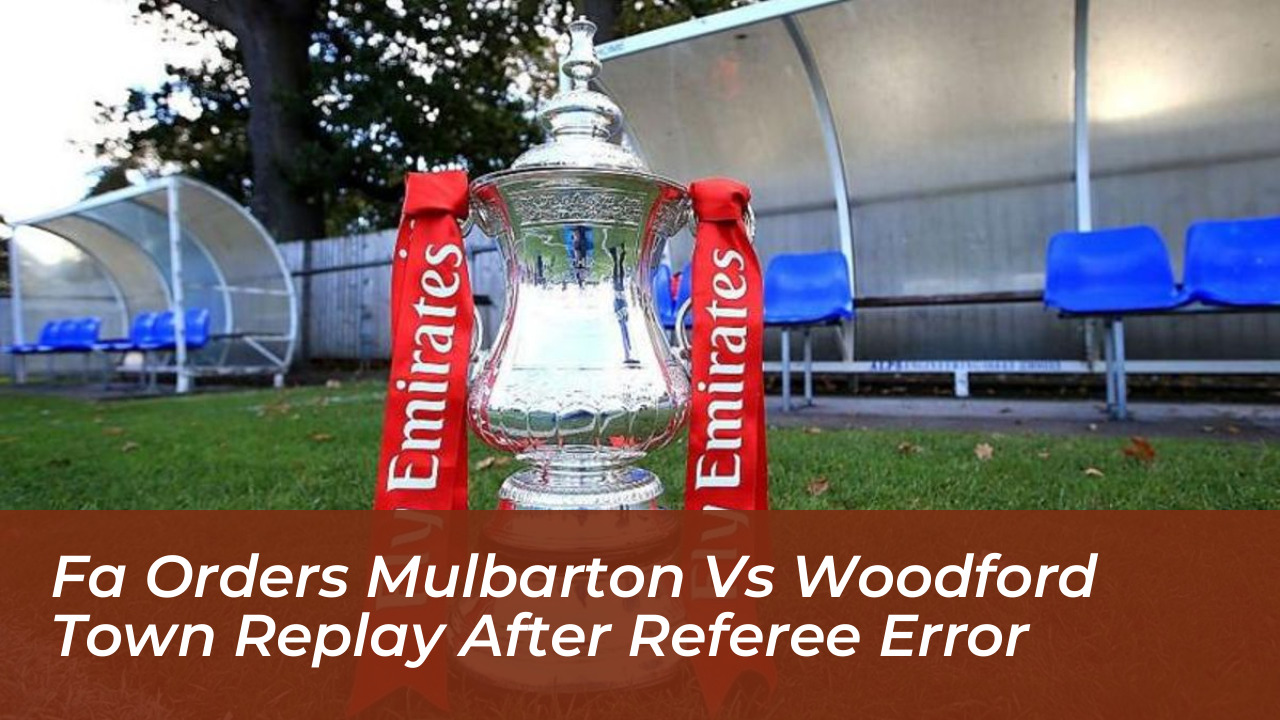
An unprecedented ruling by the Football Association has shaken non-league football following a major refereeing error during an Emirates FA Cup second qualifying round tie. Mulbarton Wanderers initially celebrated a 2-1 victory over Woodford Town, but a successful protest based on a clear misapplication of IFAB rules changed the outcome entirely. This article examines the details of the controversy, the mechanics of Law 14, and the broader fallout for non-league football integrity.
- The Abode Arena Controversy
- Match Background and Initial Result
- The 30th-Minute Penalty Incident
- Law 14 Breakdown and the Referee Error
- Understanding IFAB Penalty Protocols
- The Misapplication of the Rule
- Legal Precedents in English Football Replays
- Subjective Calls Versus Administrative Errors
- Historical Context
- Mulbarton Wanderers Reaction and Club Statement
- Initial Rejection and Appeal Process
- Club Response to the Final Verdict
- Woodford Town Perspective and Evidence Review
- Compiling the Official Protest
- Preparation for the Rescheduled Match
- Impact on the Third Qualifying Round and Gloucester City
- Scheduling Chaos for Gloucester City
- Match Logistics
- Broader Implications for Non-League Football Integrity
- The Debate Over Precedents
- Maintaining Officiating Standards
- Frequently Asked Questions
- Why did the FA order a replay for Mulbarton Wanderers and Woodford Town?
- Can Mulbarton Wanderers appeal the FA sub-committee decision?
- When and where is the rescheduled replay taking place?
- Who awaits the winner in the third qualifying round?
The Abode Arena Controversy
Match Background and Initial Result
The fixture took place on Saturday, September 19, 2026, pitting eighth-tier Isthmian League North side Mulbarton Wanderers against ninth-tier Essex Senior League opponents Woodford Town. Mulbarton secured a 2-1 win on the pitch, earning their place in the next round of the historic tournament. Fans filled the stands expecting a routine progression for the home side.
However, the emotional post-match celebrations proved entirely premature. A single officiating misjudgment in the opening half cast a long shadow over the entire contest, triggering a legal challenge that would reach the desk of the Football Association’s highest administrative committees.
The 30th-Minute Penalty Incident
With the score deadlocked at 0-0, Woodford Town received a penalty kick in the 30th minute. Woodford player Ollie Sotoyinbo successfully converted the spot-kick, but the referee disallowed the goal instead of awarding a successful conversion. The decision instantly baffled players and coaching staff alike.
The referee judged that multiple attacking players had encroached into the penalty area before the kick was taken. Instead of following standard IFAB procedures, the official blew his whistle and awarded Mulbarton an indirect free-kick. This fatal mistake set the stage for a dramatic administrative U-turn.
Law 14 Breakdown and the Referee Error
Understanding IFAB Penalty Protocols
The controversy hinges on the International Football Association Board Laws of the Game, specifically Law 14 regarding penalty kicks and encroachment. If an attacking player encroaches and the penalty goes in, the rules state that the referee must order a retake. The regulation leaves zero room for personal interpretation by match officials.
If defending players encroach and the ball goes in, the goal stands. If players from both teams encroach, the penalty is retaken. These protocols exist to maintain absolute fairness during high-pressure set-pieces.
The Misapplication of the Rule
The referee blew his whistle and awarded Mulbarton an indirect free-kick instead of ordering a retake or letting the goal stand. This singular action represented a complete misinterpretation of standard football regulations, transforming a legal or retaken goal into an illegal turnover of possession.
Because the referee textually ignored the exact text of Law 14, the match was technically never completed under valid tournament rules. This foundational breakdown gave Woodford Town valid legal grounds for an official protest under FA competition bylaws.
Legal Precedents in English Football Replays
Subjective Calls Versus Administrative Errors
Governing bodies never order replays for subjective judgment calls like offside decisions or standard fouls. Subjective errors remain final because human judgment forms an inherent part of officiating. Referees make split-second choices that fans and players must accept.
Administrative errors and technical rule misapplications carry a distinct legal status under competition bylaws. When an official misapplies the written laws of the game rather than misinterpreting a live play, the integrity of the competition comes under direct threat.
Historical Context
Replays due to officiating technicalities remain exceedingly rare, with past non-league precedents dating back to 2006 and recent FA Vase incidents. The Professional Game Board sub-committee treats these oversights as fundamental breaches of competition integrity.
Legal analysts emphasize that such rulings do not open the floodgates for standard complaints. They apply exclusively to verifiable, undeniable breaches of written tournament rules.
Mulbarton Wanderers Reaction and Club Statement
Initial Rejection and Appeal Process
The FA initially dismissed Woodford Town’s protest, leading Mulbarton to believe the 2-1 scoreline would stand. Mulbarton publicly agreed with this initial ruling, focusing their attention on upcoming league fixtures and squad rotation.
Subsequent video evidence, written correspondence, and feedback from the FA Referees Team prompted the governing body to escalate the review. Mulbarton mounted a robust defense, but the weight of objective technical evidence proved insurmountable for the sub-committee.
Club Response to the Final Verdict
Mulbarton expressed profound anger and disbelief following the binding verdict. Their official statement highlighted the severe financial and logistical fallout for an eighth-tier outfit.
The Norfolk club noted that the ruling sets troubling precedents regarding the finality of match results. Despite their frustration, club officials quickly turned their attention toward preparing the squad for an unexpected rematch.
Woodford Town Perspective and Evidence Review
Compiling the Official Protest
Woodford Town presented comprehensive video footage, written correspondence, and feedback from the FA Referees Team. The sub-committee meticulously analyzed this evidence before overturning the original result.
The Redbridge-based side followed every administrative protocol to ensure their grievance received proper consideration. Their diligence ultimately paid off when the governing body confirmed the technical error.
Preparation for the Rescheduled Match
For Woodford Town, the ruling offers a second chance to advance in the tournament. The team shifted focus briefly to domestic duties before preparing for the high-stakes midweek trip.
The players understand the magnitude of the opportunity. They return to the Abode Arena with a clean slate and a chance to earn a historic third qualifying round berth.
Impact on the Third Qualifying Round and Gloucester City
Scheduling Chaos for Gloucester City
The original draw paired the winner of this tie against Gloucester City of the Southern League Premier Division South. Gloucester City supporters and officials faced sudden logistical adjustments due to the delayed conclusion.
Planning travel, accommodation, and ticket sales requires weeks of coordination in non-league football. This administrative delay forced clubs and supporters to rewrite their schedules at short notice.
Match Logistics
The replay is scheduled for Tuesday, September 29, 2026, at Mulbarton’s Abode Arena. The fixture will be decided entirely on the night, utilizing extra-time and penalties if necessary.
Both teams face a grueling physical test, balancing fatigue from domestic matches with the immense pressure of an FA Cup knockout battle.
Broader Implications for Non-League Football Integrity
The Debate Over Precedents
Critics argue that opening the door to replays based on refereeing technicalities creates a dangerous slippery slope for lower divisions. Managers questioned whether every poor decision this season now warrants an official protest.
The fear among lower-league coaches is that clubs with financial resources will routinely challenge results based on minor officiating oversights, destabilizing the pyramid.
Maintaining Officiating Standards
Legal analysts emphasize the strict distinction between objective rule misapplication and subjective on-field judgment. This ruling forces match officials across the pyramid to maintain absolute clarity regarding competition regulations.
Referees now face heightened scrutiny, knowing that fundamental rule misunderstandings can invalidate months of athletic effort.
Frequently Asked Questions
Why did the FA order a replay for Mulbarton Wanderers and Woodford Town?
The FA ordered a replay because the match referee committed a technical error by misapplying Law 14 during a 30th-minute penalty kick, awarding an indirect free-kick instead of a retake.
Can Mulbarton Wanderers appeal the FA sub-committee decision?
No. The decision made by the Professional Game Board sub-committee is final and binding, with zero right of further appeal.
When and where is the rescheduled replay taking place?
The replay takes place on Tuesday, September 29, 2026, at Mulbarton’s Abode Arena, with the winner decided on the night.
Who awaits the winner in the third qualifying round?
The winner of the replay will host Gloucester City in the third qualifying round of the Emirates FA Cup.