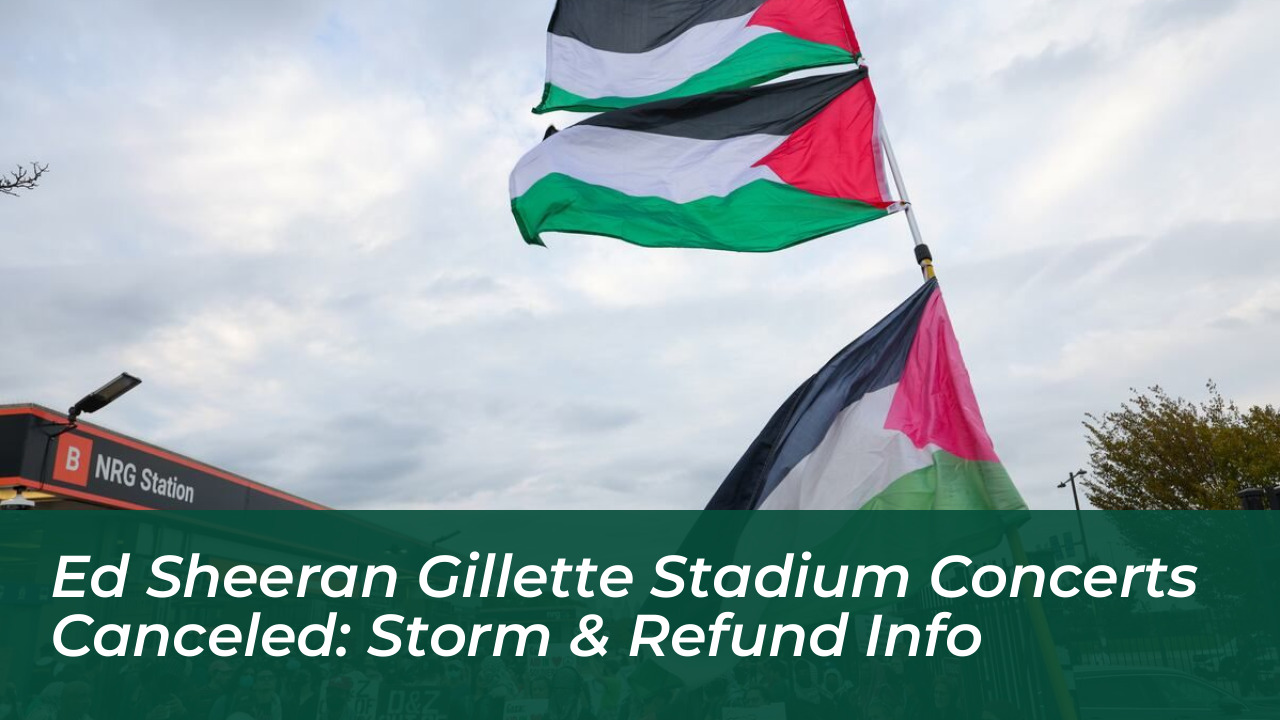
The Messina Touring Group officially canceled the Ed Sheeran Gillette Stadium concerts scheduled for a major weekend run in Foxborough, Massachusetts. Severe weather warnings and an incoming nor’easter forced organizers to pull the plug on both Friday and Saturday performances. This sudden halt sent shockwaves through the live entertainment industry, impacting tens of thousands of fans and local businesses. While weather safety mandates dictated the final shutdown, the concerts also unfolded against a backdrop of prior tour controversies and logistical hurdles that drew statewide attention.
- The Nor’Easter Threat: Why Gillette Stadium Shut Down
- Meteorological Data and Public Safety Warnings
- Halting Production on Open-Air Structures
- Financial and Logistical Fallout of the Weather Cancellation
- Ticketmaster Refunds and Resale Market Realities
- Ripple Effects on Local Hospitality and Touring Crews
- Contextualizing the Controversy Surrounding the Loop Tour
- The Macklemore Lineup Dispute and Venue Policies
- Ed Sheeran’s On-Stage Response
- Legal and Consumer Protection Responses in Massachusetts
- Attorney General Intervention
- Entertainment Contracts and Acts of God
- Future Outlook for Ed Sheeran’s Tour Operations
- Re-Routing and Weather Insurance Protocols
- The Intersection of Stadium Contracts and Free Speech
- Frequently Asked Questions
- Why were Ed Sheeran’s Gillette Stadium concerts canceled?
- How do I get a refund for my tickets?
- Were the cancellations related to the Macklemore tour controversy?
- What happens to the stage equipment already built at Gillette Stadium?
The Nor’Easter Threat: Why Gillette Stadium Shut Down
Meteorological Data and Public Safety Warnings
A powerful nor’easter swept up the East Coast, bringing heavy rainfall, severe coastal flooding, and destructive wind gusts that reached up to 60 miles per hour across the region. Venue management, tour organizers, and local public safety officials monitored the deteriorating meteorological data throughout the week leading up to the event. The combination of high winds and torrential downpours created hazardous travel conditions and made outdoor event management impossible.
Authorities across New England issued severe weather advisories urging residents to stay off the roads. For a massive outdoor venue like Gillette Stadium, managing an influx of over 65,000 attendees per night under these conditions presented an unacceptable safety risk. Collaboration between local emergency services and tour producers ultimately led to the unanimous decision to call off the weekend shows before conditions peaked.
Halting Production on Open-Air Structures
Tour crew members had already begun assembling the massive open-air stage structures on Thursday morning when the latest weather models arrived. As updated forecasts confirmed the escalating severity of the storm, local officials issued an authoritative order to halt all construction activities immediately. Prioritizing the physical safety of stadium employees, stagehands, and touring staff became the primary focus for production management.
Dismantling the partially built stage infrastructure required swift coordination to protect sensitive audio and visual equipment from water damage. Crews worked through heavy winds to secure loose elements and pack away lighting rigs. This decisive action prevented potential injuries and equipment loss as the brunt of the storm hit the stadium grounds.
Financial and Logistical Fallout of the Weather Cancellation
Ticketmaster Refunds and Resale Market Realities
Canceling a major stadium run at the final hour creates substantial logistical and financial ripples for both organizers and consumers. Messina Touring Group and Gillette Stadium ownership confirmed that all ticket holders who purchased seats directly through Ticketmaster received automatic refunds without needing to submit manual requests. The primary ticketing platform streamlined the reimbursement process to ensure funds returned to original payment methods quickly.
Fans who used secondary ticket marketplaces faced a more complicated reimbursement landscape. Individual vendor policies dictated whether third-party buyers received cash refunds, account credits, or partial compensation minus service fees. These discrepancies highlighted the consumer protection challenges inherent in the secondary ticketing ecosystem during event cancellations.

Ripple Effects on Local Hospitality and Touring Crews
The sudden stoppage impacted local hospitality providers throughout the Boston and Foxborough areas. Hotels, restaurants, and transportation services that rely heavily on major weekend events experienced a wave of cancellations from traveling fans. Local businesses lost projected revenue, emphasizing how deeply regional economies depend on live entertainment scheduling.
Production crews, local stagehands, and venue vendors also lost two days of critical work. The operational strain on the touring infrastructure means displaced workers must wait for rescheduled routing to recover lost income. Tour management and local unions coordinated behind the scenes to support the staging personnel affected by the weather shutdown.
Contextualizing the Controversy Surrounding the Loop Tour
The Macklemore Lineup Dispute and Venue Policies
While weather dictated the final shutdown of the Foxborough dates, the cancellation occurred at the tail end of a turbulent month for the production. Weeks prior to the storm warning, the tour became the center of a national debate regarding free speech, venue policies, and artist lineups. Robert Kraft, billionaire owner of Gillette Stadium and the New England Patriots, mandated the removal of rapper Macklemore from the tour lineup.
Kraft stated that Macklemore’s on-stage pro-Palestinian messaging and broader political commentary crossed the line into hate speech, violating the venue’s commitment to maintaining a safe environment. Following Macklemore’s dismissal, four other supporting acts withdrew from the tour in solidarity, creating significant friction between tour management and participating artists.
Ed Sheeran’s On-Stage Response
Ed Sheeran addressed the lineup alterations directly during an emotional speech on stage at subsequent stops. He clarified that promoters and venue management made the personnel decisions rather than the headliner himself. This transparency helped manage fan expectations and addressed mounting industry questions regarding artist autonomy versus venue control.
The headliner emphasized his commitment to his fans while acknowledging the difficult administrative landscape surrounding large-scale stadium tours. By speaking candidly, Sheeran separated his artistic mission from the corporate and political mandates enforced by venue owners.
Legal and Consumer Protection Responses in Massachusetts
Attorney General Intervention
The combination of lineup changes and weather cancellations prompted intervention from state regulators. Massachusetts Attorney General Andrea Campbell announced that her office worked alongside Ticketmaster to secure flexible refund rights for ticketholders who no longer wished to attend following the roster turnover. Consumer protection advocates praised the measure, noting that massive lineup shifts fundamentally alter the product consumers purchased.
State regulators monitor large-scale entertainment events to ensure consumer contracts are honored when unexpected alterations occur. The Attorney General’s involvement established a clear benchmark for accountability, ensuring that ticket buyers retain rights when major headliners or supporting acts are removed from a bill.
Entertainment Contracts and Acts of God
Legal analysts highlighted that while entertainment contracts typically protect promoters from liability during acts of God such as nor’easters, the preceding lineup disputes added a layer of complexity. State consumer protection laws require clear pathways to refunds when event conditions change drastically, setting a precedent for future stadium-scale disputes.
Promoters and venue legal teams draft comprehensive force majeure clauses to handle weather-related losses. However, balancing these clauses with consumer rights remains a delicate legal challenge for live entertainment attorneys operating in Massachusetts and across the United States.
Future Outlook for Ed Sheeran’s Tour Operations
Re-Routing and Weather Insurance Protocols
Despite the hurdles faced during the North American leg of the Loop Tour, production teams are already adjusting schedules for upcoming dates. Touring professionals note that large-scale productions carry extensive weather insurance policies to mitigate financial losses from canceled stadium weekends. Recovering lost momentum requires meticulous re-routing and coordination with other venues.
Insurance underwriters evaluate meteorological risks carefully before issuing policies for open-air concerts. As severe weather events become more frequent, touring productions rely heavily on these financial safety nets to protect crew wages and equipment investments.
The Intersection of Stadium Contracts and Free Speech
Fans and industry observers continue to monitor how major venues handle political expression from performing artists. The intersection of stadium contracts, venue ownership policies, and free speech guarantees remains a hot-button issue across the live entertainment sector. Promoters must navigate these cultural and legal boundaries carefully to avoid alienating artists or audiences.
Meanwhile, ticket holders affected by the Ed Sheeran Gillette Stadium weather shutdown can redirect their refunded funds toward future tour dates as schedules normalize. The resilience of live music infrastructure ensures that artists and fans will connect again once weather patterns and venue calendars align.
Frequently Asked Questions
Why were Ed Sheeran’s Gillette Stadium concerts canceled?
The concerts were canceled due to a severe nor’easter that brought heavy rain, coastal flooding, and wind gusts up to 60 miles per hour across New England, creating unsafe conditions for fans, staff, and production crews.
How do I get a refund for my tickets?
Ticketholders who purchased their seats through Ticketmaster received automatic full refunds to their original payment methods without needing to submit manual requests. Fans who used third-party resale platforms must contact their specific point of purchase for reimbursement details.
Were the cancellations related to the Macklemore tour controversy?
No. Venue owner Robert Kraft and the Messina Touring Group confirmed that the cancellation was strictly driven by safety concerns stemming from the severe weather forecast, completely independent of the earlier lineup disputes.
What happens to the stage equipment already built at Gillette Stadium?
Production crews halted construction on Thursday after monitoring reports from local public safety officials. Equipment was systematically dismantled and packed away to prevent weather-related damage to the staging infrastructure.