New York City law enforcement agencies took decisive action on Thursday, September 24, 2026, arresting two men connected to unauthorized subterranean intrusions. This high-profile intervention follows a bizarre sequence of urban explorations where witnesses spotted unauthorized individuals inside municipal drainage networks. These sightings coincided directly with the high-security diplomatic gatherings of the United Nations General Assembly, elevating public concern and triggering intensive multi-agency patrols across Manhattan and Brooklyn. Police booked 26-year-old Kevin Rodriguez and 25-year-old Samuel Reveron in Midtown South, charging each suspect with two counts of criminal trespass and one count of conspiracy as mystery sewer sightings spread to Brooklyn.
- The Upper East Side Manhole Incident
- High-Tech Law Enforcement Tracking
- Economic Drivers Behind Urban Subterranean Salvaging
- The United Nations General Assembly Security Nexus
- Legal Repercussions and Municipal Defense
- Frequently Asked Questions
- Why were the suspects entering the New York City sewer system?
- What specific charges did the NYPD file against the men?
- How did law enforcement track the suspects after they fled?
- Where did the initial sewer sighting take place?
- Why was the timing of these sightings particularly sensitive?
The Upper East Side Manhole Incident
Criminal court documents reveal specific details regarding the initial discovery that set off citywide alerts. Witnesses observed three individuals climbing out of a municipal manhole near East 61st Street and Park Avenue on Manhattan’s affluent Upper East Side. The suspects immediately abandoned the subterranean opening and fled the scene in two separate waiting vehicles. Police analysis of license plate data quickly linked the getaway cars to the arrested individuals, marking a swift escalation in municipal response.
The sudden emergence during the morning hours shocked pedestrians and immediately drew the attention of nearby security details. Because this location sits mere blocks away from sensitive diplomatic corridors, local authorities treated the breach as a potential security threat rather than a simple prank. The rapid getaway underscored a level of premeditation, prompting immediate coordination between patrol divisions and specialized detective units.
Law enforcement officials immediately secured the open manhole while emergency response teams inspected the surrounding municipal lines. City engineers checked nearby electrical and telecommunication vaults for signs of tampering or structural damage. Detectives reviewed commercial security camera footage from neighboring apartment buildings to establish a precise timeline of the unauthorized descent. Investigators confirmed that the intruders spent several hours underground before exiting onto the crowded street.
High-Tech Law Enforcement Tracking
Modern law enforcement in New York City relies heavily on interconnected digital surveillance ecosystems to solve transient crimes. In this incident, the breakthrough came via automated license plate reader technology deployed across major river crossings and arterial bridges. When the suspects emerged from the Upper East Side manhole and fled in two vehicles, local witnesses provided partial descriptions that dispatchers fed directly into the citywide traffic camera network.
The system flagged the two vehicles traveling in tandem across the Queensboro Bridge at approximately 4:00 a.m. on Wednesday. This technological integration eliminates traditional investigative delays. Officers intercepted the suspects, gathered physical evidence, and secured full admissions within twenty-four hours of the initial sighting. Digital forensics and automated transit monitoring continue to dismantle underground operation rings swiftly.
Specialized task forces cross-referenced digital toll tags and mobile phone location data to establish the exact movement patterns of the suspects. Analysts mapped the underground trajectories against known utility access points to understand how the men entered the sealed infrastructure. Technical units plan to deploy advanced motion-activated sensors inside critical trunk lines to prevent future illegal descents.
Economic Drivers Behind Urban Subterranean Salvaging
Municipal drainage networks beneath major metropolitan areas represent vast, labyrinthine ecosystems. New York City maintains thousands of miles of combined sewers, storm drains, and subterranean maintenance tunnels. These hidden corridors manage millions of gallons of wastewater daily while providing unexpected access points to the city surface via manhole covers, utility vaults, and storm runoff grates.
The pursuit of valuable discarded materials within these networks points to a persistent underground economy. Heavy rainstorms frequently wash surface debris, lost jewelry, and industrial metal fragments into street catch basins. These items eventually travel through stormwater pipes and settle in large trunk sewers where scrap metal recycling yields steady cash payouts for recovered copper, aluminum, and steel.
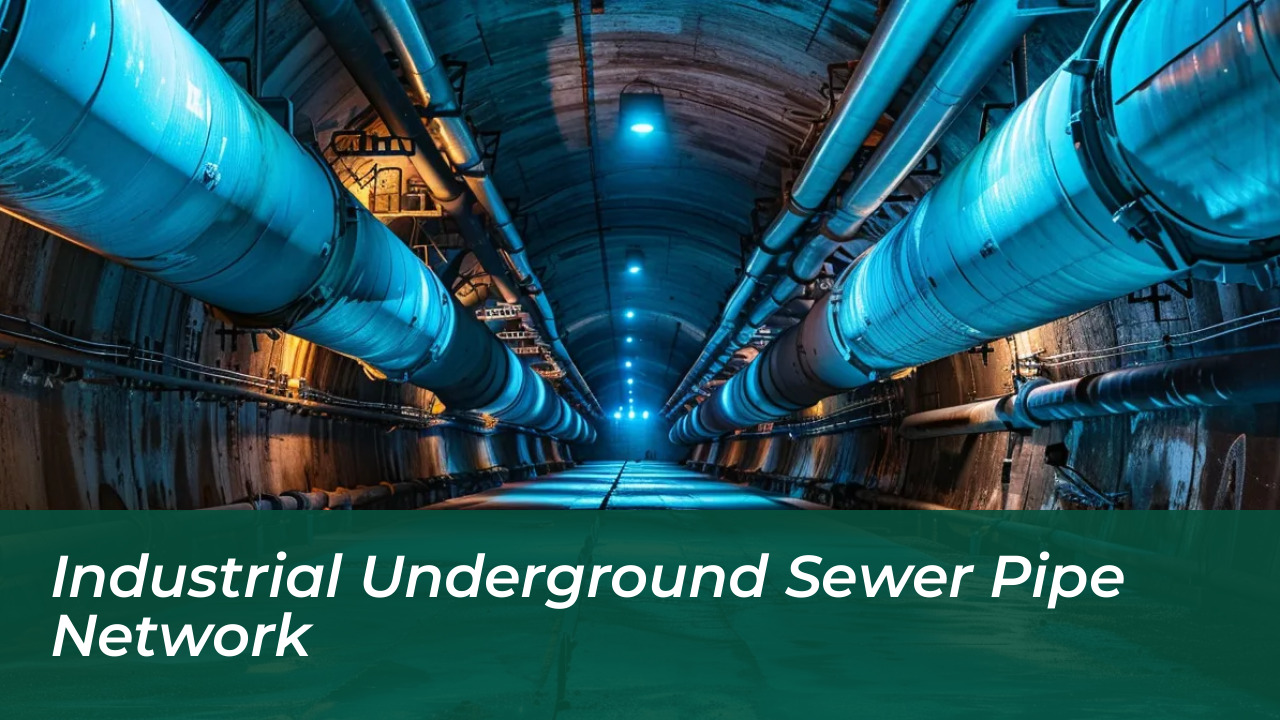
Unscrupulous individuals occasionally target municipal infrastructure or drainage networks to harvest valuable metals. This illicit salvaging activity damages public property, creates dangerous structural entry points, and exposes untrained individuals to lethal environmental conditions inside the sewer system. Traversing swift-moving wastewater and slippery concrete channels to collect lost valuables carries extreme physical risks, including toxic gases and sudden flash-floods.
Scrap metal yards face stricter municipal oversight regarding the purchase of recovered municipal assets. Law enforcement agencies routinely audit recycling facilities to identify suspects trading in stolen utility covers and copper wiring. Public safety campaigns highlight the economic fallout and environmental hazards linked to unauthorized utility exploration.
The United Nations General Assembly Security Nexus
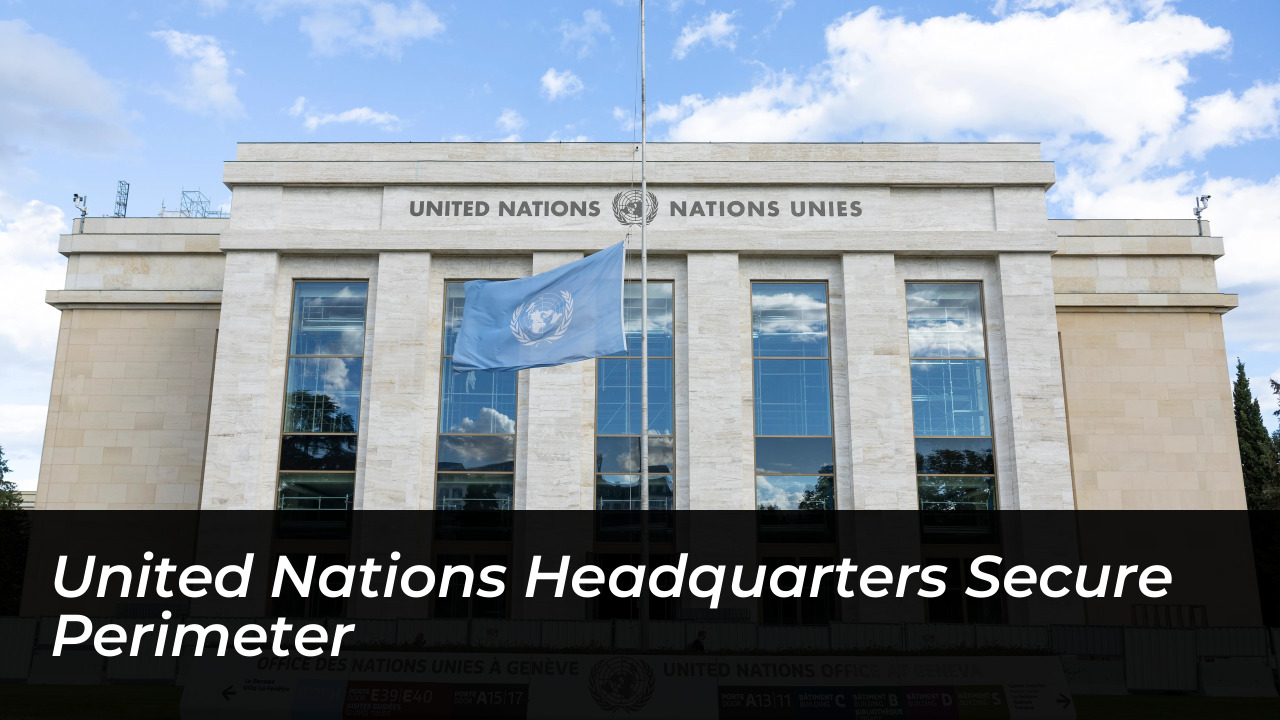
The timing of the sewer sightings and subsequent arrests holds profound significance for municipal security operations. The United Nations General Assembly brings hundreds of world leaders, foreign ministers, and international delegations to Midtown Manhattan. This annual diplomatic gathering triggers the highest tier of counter-terrorism alerts, airspace restrictions, and ground-level security deployments across New York City.
Federal, state, and local law enforcement maintain a continuous protective perimeter around diplomatic venues, hotels, and transit hubs. Subterranean infrastructure represents a traditional vulnerability in urban security planning. Unauthorized movement inside drainage pipes running beneath Manhattan creates potential blind spots for the United States Secret Service and the NYPD Counterterrorism Bureau, mandating immediate intervention whenever unauthorized personnel access restricted manholes.
Intelligence analysts monitor potential threats across multiple communication channels to safeguard visiting dignitaries and local residents. Joint counter-terrorism exercises regularly simulate subterranean security breaches to test inter-agency coordination and rapid response times. Security details adjust their operational parameters based on real-time intelligence feeds from municipal utilities.
Legal Repercussions and Municipal Defense
The criminal charges filed against Rodriguez and Reveron reflect the gravity of breaching municipal infrastructure. Trespassing in restricted public utility spaces carries significant legal penalties. Adding conspiracy charges indicates that prosecutors view these subterranean entries as premeditated coordinated acts rather than spontaneous trespassing. Legal experts anticipate rigorous prosecution to deter similar illegal descents into city drainage networks.
Municipal agencies plan to increase physical inspections and sensor deployments inside key trunk lines across Manhattan and Brooklyn. Securing vulnerable manhole access points remains a priority for the Department of Environmental Protection and the NYPD. Public awareness campaigns and heightened patrols aim to curb the romanticized perception of urban exploring in active utility corridors, emphasizing that the underground sewer network is a hazardous industrial facility rather than an adventure playground.
City attorneys evaluate potential civil lawsuits against convicted trespassers to recover the substantial costs of emergency municipal responses. Courts continue to issue strict protective orders regarding sensitive urban utility schematics. Law enforcement leaders emphasize zero-tolerance policies for unauthorized access to critical infrastructure during high-security events.
Frequently Asked Questions
Why were the suspects entering the New York City sewer system?
The suspects confessed to entering the municipal drainage grid specifically to recover discarded items and scrap metal following recent rainstorms.
What specific charges did the NYPD file against the men?
Police booked Kevin Rodriguez and Samuel Reveron, charging each suspect with two counts of criminal trespass and one count of conspiracy.
How did law enforcement track the suspects after they fled?
Investigators utilized automated license plate readers and citywide traffic cameras to track the suspects crossing the Queensboro Bridge at 4:00 AM on Wednesday.
Where did the initial sewer sighting take place?
The initial incident occurred near East 61st Street and Park Avenue on Manhattan’s affluent Upper East Side.
Why was the timing of these sightings particularly sensitive?
The sightings coincided directly with the high-security diplomatic gatherings of the United Nations General Assembly in Midtown Manhattan.