The digital economy faces a landmark legal challenge as the Dutch consumer advocacy foundation Stichting Massaschade & Consument files a massive 100 million euro lawsuit against Epic Games. Initiated on September 23, 2026, this collective action targets the monetization mechanics of Fortnite, accusing the developer of deploying predatory sales techniques that specifically exploit young players under 21 in the Netherlands. This lawsuit challenges the fundamental economic models of free-to-play video games and aims to establish strict new precedents for digital consumer rights and psychological protection in virtual spaces.
- Core Allegations and Research Findings
- The Stichting Massaschade & Consument Investigation
- Psychological Dark Patterns in Game Design
- Epic Games Defenses and Existing Protections
- Parental Control Architecture
- Storefront Safeguards in the Netherlands
- Historical Regulatory Scrutiny in the Netherlands
- The 2024 Netherlands Authority for Consumers and Markets Sanctions
- Precedent and Foundation for Current Litigation
- Broader Legal and Financial Context
- Global Scrutiny of Free-to-Play Monetization
- Next Steps in the Legal Proceedings
- Pre-Litigation Notice and Settlement Offers
- Implications for the Gaming Industry
- Potential Design Overhauls for Live-Service Games
- Frequently Asked Questions
- What is the basis of the 100 million euro lawsuit against Epic Games?
- How do virtual currencies like V-Bucks contribute to the legal issue?
- What specific changes could happen if the lawsuit succeeds?
- Are parents given tools to manage purchases in Fortnite?
Core Allegations and Research Findings
The Stichting Massaschade & Consument Investigation
At the center of the litigation is a dedicated research study commissioned by SMC to evaluate the spending habits and psychological responses of over 1,000 Dutch teenagers aged 16 to 19. The resulting data highlights profound cognitive disconnects regarding virtual currency systems. Six out of ten respondents stated that purchasing digital currency like V-Bucks did not feel like spending real money. , fifty percent of participants admitted to experiencing immediate buyer regret after completing purchases under perceived time pressure.
Teens in the study noted that the game interface intentionally obscures the real-world financial value of virtual goods. Minors face continuous exposure to aggressive marketing campaigns tied to seasonal cosmetics and physical merchandise crossovers. SMC Chairperson Lucia Melcherts emphasized that young consumers require structural shielding from manipulative interface tactics. The foundation argues that financial liability belongs with the software creator rather than vulnerable adolescents or their legal guardians.
Psychological Dark Patterns in Game Design
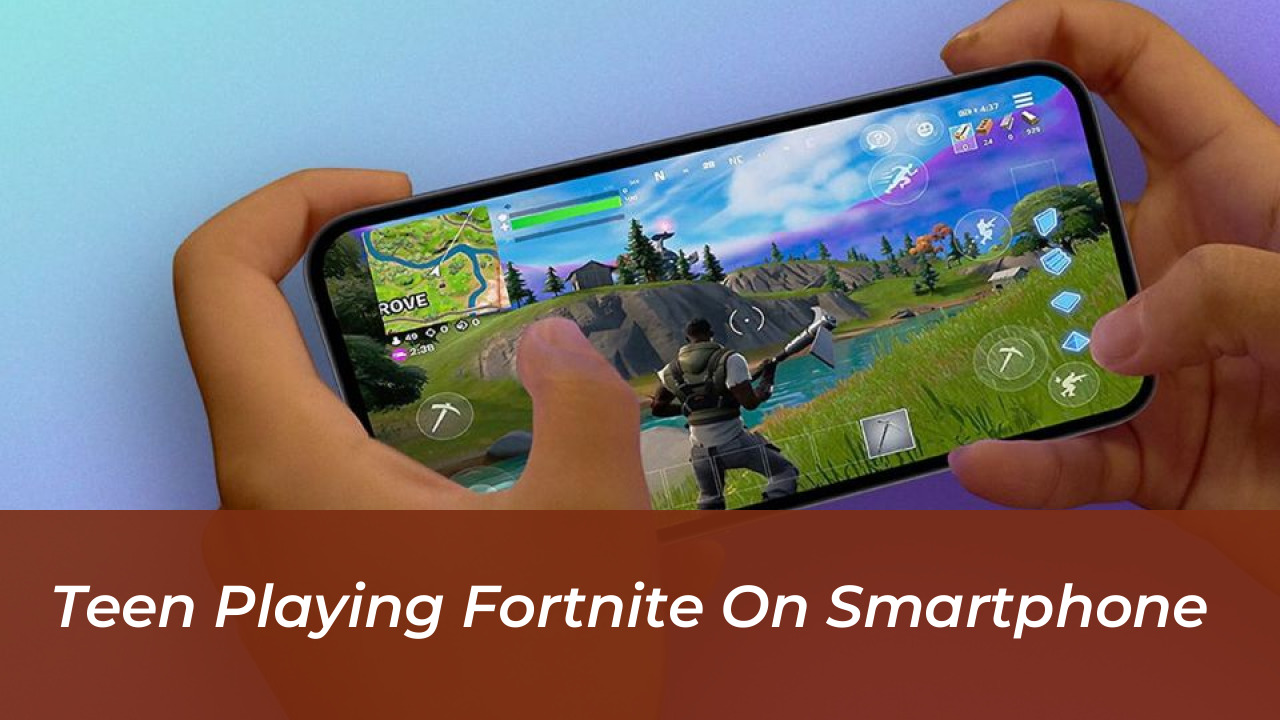
The lawsuit examines interface designs that deliberately blur the line between in-game progression and real-world capital. By introducing intermediate currencies like V-Bucks, developers detach the act of spending from traditional financial consequences. Young players struggle to calculate the cumulative cost of repeated microtransactions when values are translated into abstract digital tokens.
Regulatory experts point out that these design choices rely on established behavioral psychology principles. Artificial urgency, social pressure through exclusive skins, and continuous loops of reinforcement keep young users engaged and spending. The legal team argues that these techniques cross the line from standard entertainment marketing into unlawful psychological manipulation.
Epic Games Defenses and Existing Protections
Parental Control Architecture
In response to the escalating legal pressure, Epic Games issued an official statement detailing the safety measures integrated into its ecosystem. The company maintains that robust parental control architectures already exist to protect minors. Parents can configure spending limitations and restrict purchase permissions using a secure personal identification number.
Accounts created by players under 16 years old in the Netherlands automatically default to cabined accounts. These restricted profiles prohibit real-time money transactions without explicit parental consent, ensuring that guardians maintain oversight of digital expenditures.
Storefront Safeguards in the Netherlands
Epic Games highlights regional adjustments made specifically for the Dutch market. The Fortnite Item Shop operating in the region does not display countdown timers for standard inventory items. Additionally, players under 18 in the Netherlands cannot view or acquire items featured in the shop for durations shorter than 48 hours.
Standard purchase safeguards include two-step confirmation prompts, instant transaction cancellations, and a self-service return policy for digital goods. Company representatives maintain that these features empower users and prevent accidental or impulse purchases.

Historical Regulatory Scrutiny in the Netherlands
The 2024 Netherlands Authority for Consumers and Markets Sanctions
This lawsuit does not mark the first time Epic Games has faced regulatory repercussions within Dutch jurisdiction. In 2024, the Netherlands Authority for Consumers and Markets imposed a combined financial penalty of 1,125,000 euros against the developer. The penalty split into two distinct fines of 562,500 euros each.
The first fine targeted the use of urgent command phrases such as buy it now within the item shop interface. The second sanction penalized the implementation of countdown timers designed to generate artificial urgency among underage demographics. Regulatory authorities concluded that these specific design choices took unfair advantage of the limited cognitive development and impulse control typical of minor consumers.
Precedent and Foundation for Current Litigation
SMC points to these historical rulings as established legal precedent supporting the current multi-million-euro damage claim. Administrative penalties proved that the developer engaged in unfair commercial practices. The current private collective litigation builds directly upon those findings to secure financial compensation for affected consumers.
The transition from government fines to civil class action demonstrates a growing appetite among consumer groups to hold tech giants financially accountable. This legal strategy bridges the gap between regulatory enforcement and direct redress for affected players.
Broader Legal and Financial Context
Global Scrutiny of Free-to-Play Monetization
Beyond European enforcement actions, Epic Games faces sustained global pressure regarding monetization mechanics. Regulatory bodies across multiple continents continue to scrutinize virtual currency loops and randomized loot mechanics. The Federal Trade Commission previously compelled the developer to issue massive financial refunds to settle charges related to unwanted digital purchases and deceptive billing practices.
The current Dutch lawsuit expands this accountability framework into private collective litigation focused explicitly on psychological manipulation and data harvesting without parental oversight. Legal observers note that outcomes in European courts often influence regulatory agendas in North America and Asia.
Next Steps in the Legal Proceedings
Pre-Litigation Notice and Settlement Offers
The formal notice of liability serves as a mandatory pre-litigation step under Dutch civil procedure rules. SMC has extended a formal offer to pursue an out-of-court monetary settlement with corporate leadership at Epic Games.
If corporate leadership rejects these settlement negotiations or fails to respond within the designated statutory timeframe, SMC will escalate the case to a formal civil court. Formal judicial proceedings would then commence, potentially setting a binding precedent for digital commerce regulation across the European Union.
Implications for the Gaming Industry
Potential Design Overhauls for Live-Service Games
The outcome of this legal confrontation carries profound implications for global game developers utilizing free-to-play business models. Most modern live-service titles rely heavily on premium virtual currencies, seasonal battle passes, and limited-time cosmetic rotations to drive recurring revenue.
If Dutch courts rule in favor of the consumer advocacy group, developers may face mandatory design overhauls. Industry compliance teams would likely need to eliminate obfuscated currency values, remove scarcity indicators for minors, and implement stricter age-verification protocols across digital storefronts.
Frequently Asked Questions
What is the basis of the 100 million euro lawsuit against Epic Games?
Stichting Massaschade & Consument accuses Epic Games of using predatory sales techniques and psychological manipulation to exploit young players in the Netherlands through Fortnite monetization mechanics.
How do virtual currencies like V-Bucks contribute to the legal issue?
Intermediate currencies obscure real-world financial values, making it difficult for minors to track spending and leading to impulse purchases and immediate buyer regret.
What specific changes could happen if the lawsuit succeeds?
Game developers might need to remove obfuscated currency systems, eliminate artificial scarcity timers for minors, and enforce stricter age-verification protocols.
Are parents given tools to manage purchases in Fortnite?
Epic Games offers parental control architectures, pin-protected spending limits, and default cabined accounts for users under 16 to restrict unauthorized transactions.