“`html
- Introduction to the Global Broadcast of the 2026 Mid-Autumn Gala
- Setting the Scene: Huainan City and Historical Geography
- The Significance of Huainan City
- Architectural Design of the Waterside Stage
- Global Broadcast Channels and International Distribution
- Domestic and Traditional Networks
- Syndication in Overseas Markets
- Thematic Chapters and Cultural Heritage Performances
- Structuring the Program
- Traditional Art Forms on Modern Stages
- Historical Milestones Highlighted in the Program
- Cutting-Edge Technology Integration
- Drone Swarms and Aerial Displays
- Artificial Intelligence and Historical Colorization
- Global Musical Collaborations and Cross-Cultural Highlights
- East-Meets-West Performances
- Table of Key Musical Collaborations
- Comparative Analysis of Global Gala Broadcasts
- Frequently Asked Questions
- What is the China Media Group Mid-Autumn Gala?
- Where was the 2026 gala recorded?
- How did technology feature in the 2026 broadcast?
- Can international audiences watch the gala?
The China Media Group broadcast its flagship 2026 Mid-Autumn Festival Gala globally on Friday, September 25, at 8 p.m. Beijing Time. Known widely as Qiuwan, this annual production combined traditional Chinese heritage with advanced technology and international musical collaborations. The event also marked the 20th anniversary of the Mid-Autumn Festival earning a spot on China’s national list of intangible cultural heritage.
Introduction to the Global Broadcast of the 2026 Mid-Autumn Gala
Viewers connected across different time zones while the production delivered a seamless blend of historical storytelling and modern broadcast engineering. The event served as a cultural bridge, connecting overseas communities with contemporary artistic movements inside China.
Producers designed the program to appeal to both domestic and international demographics by balancing classical theatrical arts with futuristic visual displays. This year’s broadcast reached new milestones in audience engagement metrics across digital streaming platforms and traditional television networks.
Setting the Scene: Huainan City and Historical Geography
The Significance of Huainan City
Recorded in Huainan City, Anhui Province, the event drew upon deep historical roots connected to the Huaihe River culture. Ancient texts such as the Huainanzi, compiled during the Han Dynasty, establish the region’s connection to Chinese folklore, including the legend of Chang’e.
The location also holds vital historical importance for the systematic recording of the 24 Solar Terms. These agricultural markers have guided farming practices and cultural observances for millennia.
Architectural Design of the Waterside Stage
Stage designers constructed a waterside performance area featuring an 80-meter diameter circular ring on the water. This floating structure mirrored a full moon on the lake, accompanied by an 18-meter movable moon backdrop that shifted dynamically throughout the evening.
Engineering teams spent months testing the aquatic load capacities to ensure stability for performers and heavy camera equipment. The reflective water surface created an immersive visual environment for both live attendees and television cameras.
Global Broadcast Channels and International Distribution
Domestic and Traditional Networks
International and domestic viewers accessed the live production via China Media Group channels, including CCTV-1, CCTV-3, and CCTV-4. Traditional television networks broadcast the feed simultaneously starting at 8 p.m. Beijing Time.
Signal reliability remained a top priority, utilizing satellite uplinks and redundant fiber optic networks to prevent latency issues during high-traffic broadcast windows.
Syndication in Overseas Markets
Mainstream media networks in countries with large overseas Chinese communities, such as Australia, New Zealand, and the United Arab Emirates, syndicated the program. Digital streaming platforms and international social media channels provided uninterrupted global access.
Localized subtitle packages in multiple languages allowed non-Chinese speakers to follow the narrative themes and lyrical poetry accompanying the musical performances.
Thematic Chapters and Cultural Heritage Performances
Structuring the Program
Producers organized the program into three distinct thematic chapters, culminating in a final segment titled Autumn Aglow. The narrative blended ancient art forms with contemporary staging to emphasize the cultural significance of the harvest moon and family reunion.
Each chapter transitioned smoothly into the next, guided by narrator-led sequences that explained the historical context behind specific regional customs.
Traditional Art Forms on Modern Stages
Performers showcased regional folk arts from Anhui Province, featuring the Huagudeng folk dance and intricate shadow puppetry displays. The broadcast incorporated traditional tofu banquets to reinterpret ancient customs for modern global audiences.
Local artisans collaborated directly with modern lighting designers to ensure that delicate crafts like shadow puppetry projected clearly onto giant outdoor LED screens.
Historical Milestones Highlighted in the Program
The program integrated prominent national milestones into its performance themes. Acknowledgments included the launch of China’s 15th Five-Year Plan covering the 2026 to 2030 period.
The production also marked the 105th anniversary of the founding of the Communist Party of China. Additional milestones featured the 90th anniversary of the victory of the Red Army’s Long March and the 70th anniversary of the space program.
These historical nods added intellectual weight to the artistic performances, grounding the entertainment in collective national memory.
Cutting-Edge Technology Integration
Drone Swarms and Aerial Displays
Producers deployed an 8,000-drone formation into the airspace above the venue to extend the physical stage. Aerial displays mapped out major national engineering achievements and technological milestones.
Flight choreography software synchronized the glowing aircraft with live orchestral music, creating floating three-dimensional sculptures in the night sky.
Artificial Intelligence and Historical Colorization
Artificial intelligence systems generated complex performance backdrops and dynamic visual elements in real time. Technical teams used AI processing to restore and colorize historical photographs, projecting them during musical numbers.
Machine learning algorithms analyzed archival footage to accurately recreate period-correct colors, bridging past eras with contemporary broadcasting techniques.
Global Musical Collaborations and Cross-Cultural Highlights
East-Meets-West Performances
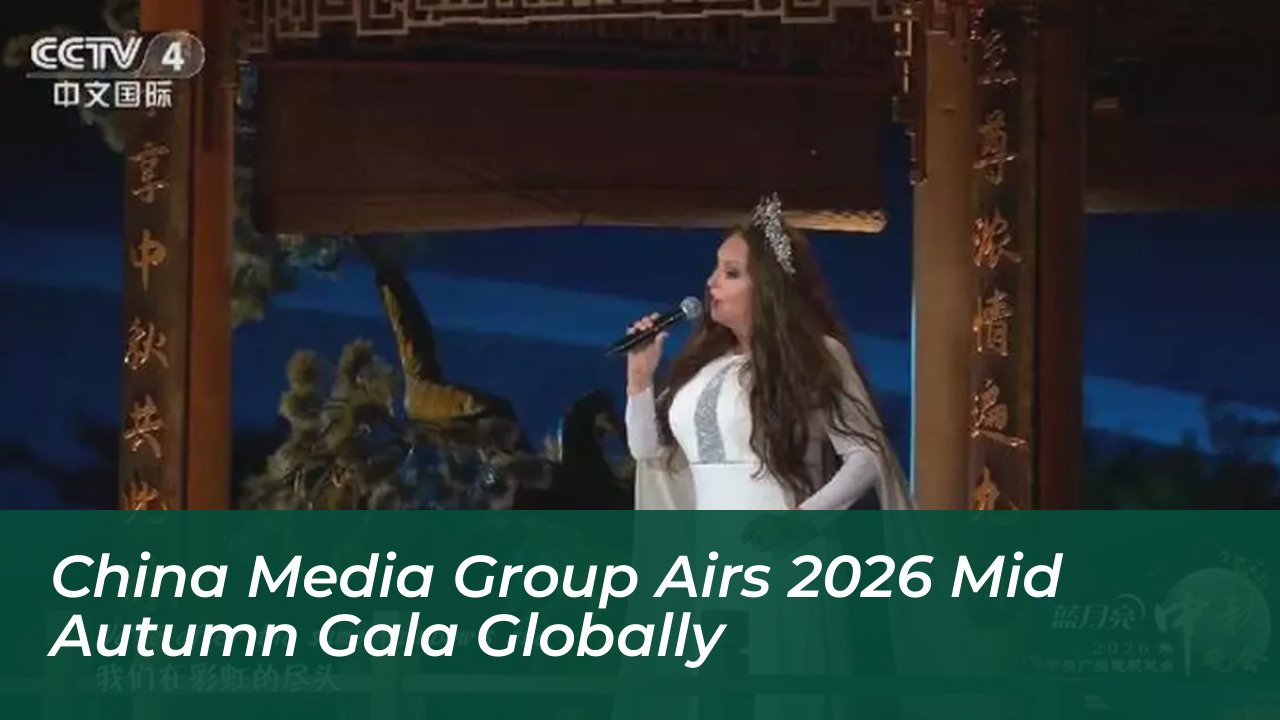
British singer Sarah Brightman teamed up with Chinese vocalist Zhou Shen to perform The Music of the Night from The Phantom of the Opera. A Sino-European musical dialogue featured Chinese pipa player Fang Jinlong, Croatian cellist Ana Rucner, and German pianist Oskar Roman Jezior.
These cross-cultural collaborations highlighted the universal appeal of melody and rhythm, transcending language barriers to unite diverse artistic traditions.
Table of Key Musical Collaborations
| Performer | Musical Instrument / Role | Performance Details |
|---|---|---|
| Sarah Brightman & Zhou Shen | Vocalists | Performed The Music of the Night from The Phantom of the Opera. |
| Fang Jinlong | Chinese Pipa | Combined Eastern and Western instruments in a collaborative musical dialogue. |
| Ana Rucner | Croatian Cello | Collaborated with pipa and piano on classical arrangements. |
| Oskar Roman Jezior | German Piano | Joined the Sino-European trio performance. |
Comparative Analysis of Global Gala Broadcasts
The 2026 production expanded its technological footprint compared to previous iterations by combining massive drone swarms with real-time generative AI visuals. While earlier broadcasts focused on traditional stage setups, the Huainan event utilized a 360-degree floating stage design on water.
The integration of historical geography with advanced engineering established a new technical template for international cultural broadcasts. Future productions will likely draw inspiration from this year’s combination of heritage preservation and high-tech stagecraft.
By merging ancient philosophy with modern broadcasting power, the event proved that traditional festivals can continually reinvent themselves for digital-native audiences worldwide.
Frequently Asked Questions
What is the China Media Group Mid-Autumn Gala?
It is an annual global television broadcast celebrating the traditional Mid-Autumn Festival with cultural performances and high-tech stagecraft.
Where was the 2026 gala recorded?
The event took place in Huainan City, Anhui Province, known for its rich cultural history and connection to ancient folklore.
How did technology feature in the 2026 broadcast?
Producers used 8,000-drone formations, real-time artificial intelligence backdrops, and a 360-degree floating waterside stage.
Can international audiences watch the gala?
Yes, global viewers access the program through international CMG channels, syndicated overseas media networks, and online streaming platforms.
“`