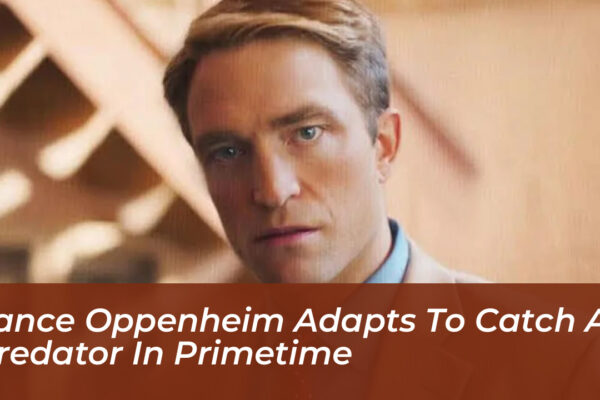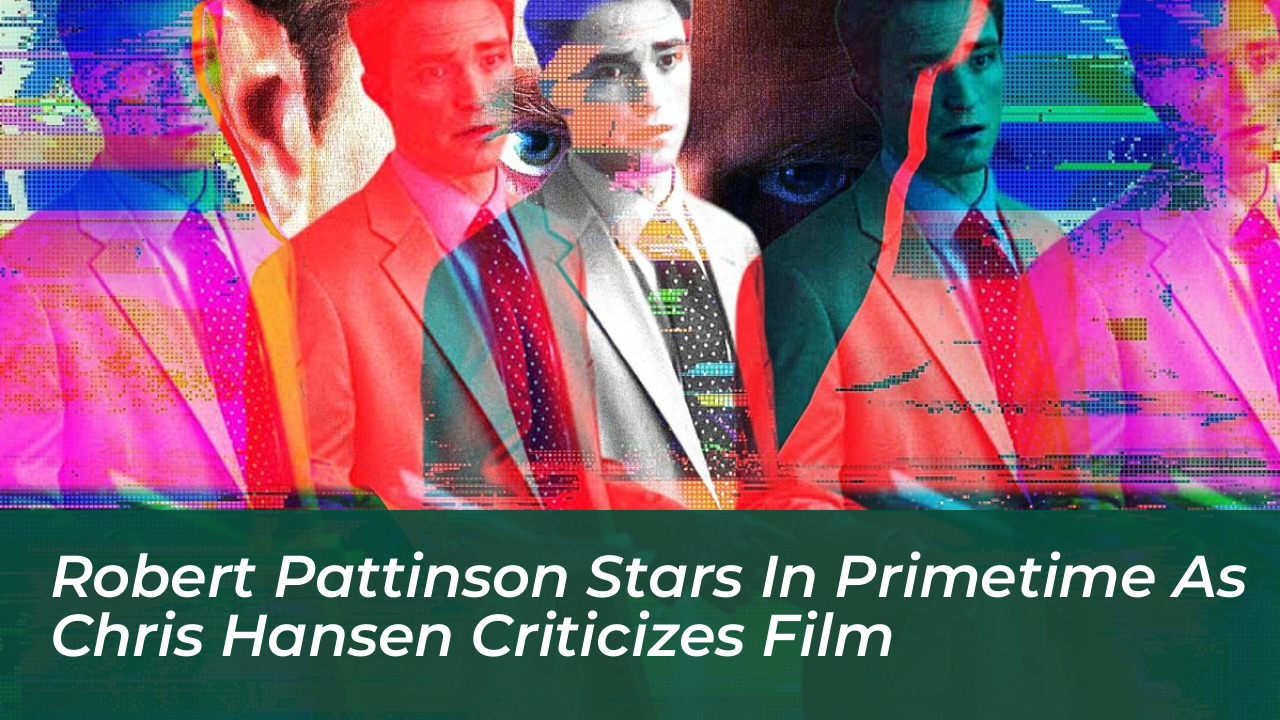
The modern entertainment industry often borrows from true-crime archives, but few projects generate as much friction prior to release as Lance Oppenheim’s satirical dark comedy, Primetime. Starring Robert Pattinson as a zealous, Dateline-inspired television correspondent, the A24 film examines the theatrical and often morally grey ecosystem of predator-catching reality programming. While festival screenings generated immediate Oscar buzz for Pattinson, the real-life inspiration behind the character, veteran journalist Chris Hansen, voiced sharp public disapproval. Despite admitting he had not seen the finished feature, Hansen criticized the project based on its promotional materials, igniting a high-profile debate over media ethics, public personas, and creative interpretation.
- Inside Lance Oppenheim’s Satirical Vision
- Chris Hansen’s Public Criticisms and Legal Concerns
- Robert Pattinson Responds to the Controversy
- Decoding the True-Crime Reddit Inspiration
- Critical Reception and Box Office Outlook
- Frequently Asked Questions
- When was Primetime released in theaters?
- Has Chris Hansen actually watched the movie?
- Who directed Primetime?
- Did Robert Pattinson speak with Chris Hansen to prepare for the role?
Inside Lance Oppenheim’s Satirical Vision
Directed by documentary-turned-narrative filmmaker Lance Oppenheim, Primetime steps away from traditional biographical filmmaking. The narrative takes heavy inspiration from a 2007 magazine article detailing the tumultuous conclusion of an era-defining investigative television show. Rather than offering a standard, play-by-play dramatization of real events, the film functions as a stylized time capsule. It dissects the cultural obsession with suburban sting houses and performative vigilante justice.
Pattinson’s performance relies less on a strict impersonation and more on capturing the magnetic, rule-breaking energy that kept viewers glued to their televisions two decades ago. Co-star Skyler Gisondo, who portrays a decoy in the film, emphasizes that director Oppenheim avoids heavy-handed moralizing. Instead, the movie invites audiences to analyze how true-crime media shapes public morality, treating the source material as a mirror reflecting society’s appetite for sensationalized justice.

The production design captures the claustrophobic aesthetic of early 2000s newsrooms and hidden camera setups. By utilizing muted color palettes and period-accurate broadcast equipment, the creative team establishes an immediate sense of nostalgic dread. This deliberate visual choice separates the film from typical glossy Hollywood productions.
Chris Hansen’s Public Criticisms and Legal Concerns
Chris Hansen made headlines well before the film’s September 25 theatrical release by labeling the project a potential hit piece based entirely on teaser trailers. Speaking on the Serialously podcast, Hansen also revealed creative differences regarding the casting choices, stating he originally envisioned someone else, such as Denis Leary, to play a version of him if a cinematic adaptation ever materialized.
The tension escalated when Hansen attempted to attend an early screening at A24 headquarters in New York City. Security turned the veteran journalist away after he refused to sign a non-disclosure agreement. Studio sources maintained that the NDA was standard boilerplate paperwork designed merely to protect plot points from early spoilers.
However, Hansen questioned the studio’s motives, publicly suggesting that secrecy hinted at an unflattering portrayal. He even refused to rule out potential legal action before experiencing the film in theaters. Competitors failed to analyze the legal implications of true-crime subjects attempting to view biographical media before release, ignoring how standard studio protection clauses clash with journalistic subjects claiming rights to their own likeness.
Robert Pattinson Responds to the Controversy
During a press conference at the Venice Film Festival and in subsequent exclusive interviews, Robert Pattinson addressed Hansen’s grievances with measured diplomacy. The actor admitted he felt somewhat insulated from the daily online discourse surrounding the controversy but expressed genuine goodwill toward the news icon.
I never really set out to make a movie about Chris Hansen, Pattinson explained during the festival press appearance. I saw the script, and there’s something electrifying about it. I would hope, in some ways, the amount of inspiration that his character has given so many people… I hope it’s some kind of compliment.
Pattinson noted that he immersed himself in thousands of hours of archival footage to understand the magnetic appeal of the original broadcast. He also acknowledged the bizarre reality of maintaining relevance in a digital ecosystem governed by memes and internet subcultures. The actor expressed hope that once Hansen watches the finished feature, he will recognize that the film deconstructs the broader mechanics of television rather than attacking an individual.
Decoding the True-Crime Reddit Inspiration
One unique aspect of Pattinson’s preparation involved bypassing traditional subject access entirely. Rather than conducting a sit-down interview with Hansen to build his character arc, the actor turned to modern internet culture. Pattinson revealed he spent significant time browsing online discussion boards, specifically studying the active Reddit communities dedicated to true-crime television history.
This unorthodox research method allowed the production team to gauge how modern audiences perceive the legacy of early 2000s sting operations. By analyzing fan discourse, memeification, and cultural nostalgia, the creative team captured the modern mythos surrounding the television host. This approach explains why the final product leans into satire rather than standard dramatic realism.
Few analyses explored how modern memeification alters public perception of legacy television hosts, missing the psychological toll of how a 20-year-old broadcast transforms into modern digital folklore. Pattinson utilized active online discussion forums instead of traditional journalism archives to construct a performance that resonates with internet-native audiences.
Critical Reception and Box Office Outlook
Early reviews from critics indicate that the gamble paid off artistically. Outlets like the AV Club labeled Pattinson’s performance a career-best effort, while high-profile publications awarded the film top marks. Comparisons to dark thrillers like 2014’s Nightcrawler highlight the movie’s unsettling ability to make audiences feel complicit in the voyeuristic thrills depicted on screen.
With Merritt Weaver rounding out a stellar main cast, the film balances dark humor with intense psychological observation. The American theatrical rollout on September 25, followed by a late October international release, positions the project as a major awards season contender.
Frequently Asked Questions
When was Primetime released in theaters?
The dark comedy thriller premiered in United States theaters on September 25, with an international rollout planned for late October, including a United Kingdom release scheduled for October 31.
Has Chris Hansen actually watched the movie?
As of public press cycles, Chris Hansen has not seen the finished feature. His initial criticisms stemmed entirely from promotional teaser trailers and promotional marketing materials released by A24.
Who directed Primetime?
The film is directed by Lance Oppenheim, known for his documentary work, who brings a distinct observational style to this narrative feature.
Did Robert Pattinson speak with Chris Hansen to prepare for the role?
No, Pattinson bypassed traditional subject access entirely. Instead of interviewing Hansen, the actor relied on thousands of hours of archival broadcast footage and modern true-crime internet communities to build his character.