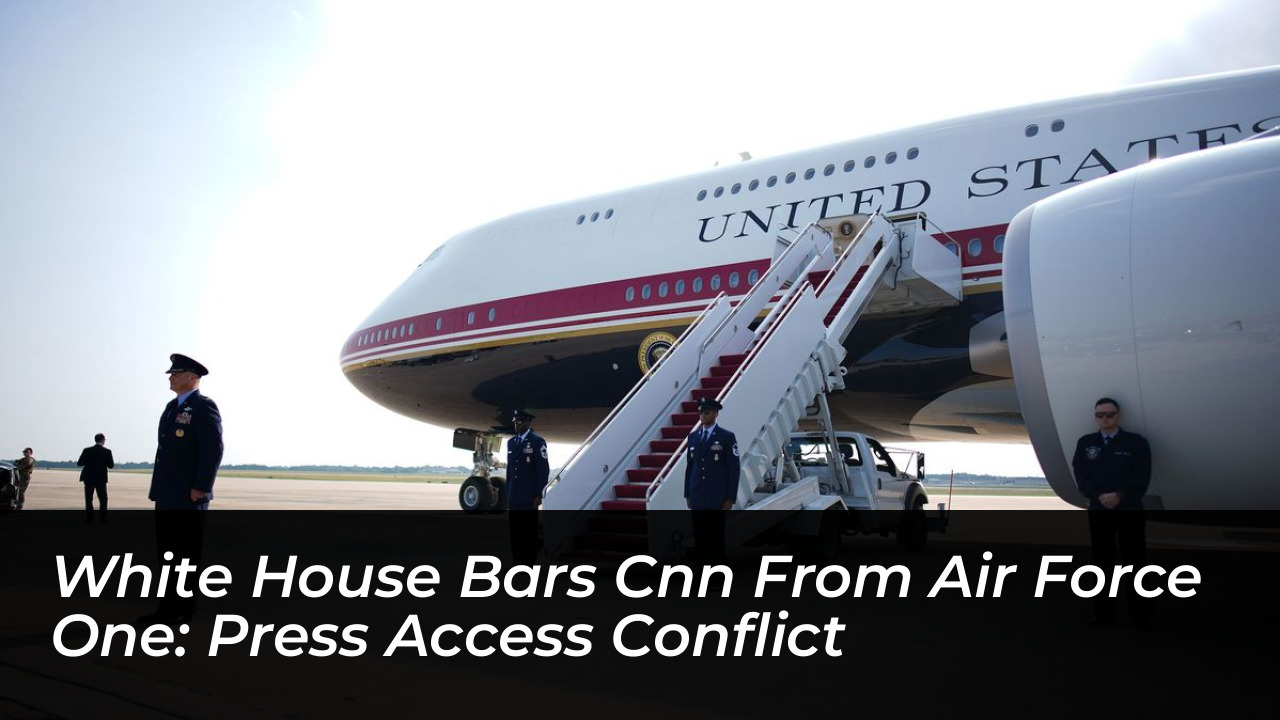
The administration escalated its ongoing conflict with major news organizations by blocking CNN from boarding Air Force One during a presidential trip. This decision highlights a growing institutional divide between the executive branch and legacy media outlets over reporting standards. These operational restrictions test the boundaries of the First Amendment, executive privilege, and the traditional pool system that has governed executive reporting for decades.
- Chronology of the Air Force One Travel Ban
- Initial Schedule and Sudden Reversal
- Precedent From the United Nations Trip
- Broader Media Crackdown and Press Pool Fallout
- Expulsion of Multiple Outlets
- Solidarity and Pushback From the Press Corps
- Legal Battles and First Amendment Implications
- First Amendment and Due Process Claims
- Department of Justice Arguments and Executive Authority
- Federal Court Ruling and Judicial Enforcement
- Structural Changes to White House Press Operations
- Transition From WHCA Coordination
- Impact on the Public Right to Information
- Future Outlook for Executive Press Relations
- Frequently Asked Questions
- Why was CNN barred from Air Force One?
- Did the courts rule on the White House press ban?
- How did other media outlets respond to the travel ban?
Chronology of the Air Force One Travel Ban
Tensions reached a new high when the White House altered travel arrangements for the presidential entourage heading to an out-of-state athletic event. CNN representatives confirmed the network learned of its exclusion late Friday evening, creating immediate operational hurdles for the network news team.
Initial Schedule and Sudden Reversal
Earlier on Friday, the administration permitted CNN to fulfill standard pool duties without incident during a joint visit in Washington. Executives naturally anticipated normal travel operations for the upcoming weekend trip to Knoxville.
Hours later, the press office omitted CNN from the official manifest for the Air Force One flight. This sudden omission disrupted the standard White House television press pool rotation and caught editors off guard.
Precedent From the United Nations Trip
This incident mirrors an identical restriction enacted just days prior during official government business in New York City. These recurring travel blocks blur the line between routine security logistics and punitive administrative measures directed against specific editorial boards.
Observers note that past administrations maintained strict separation between logistical transport and editorial content. By weaponizing physical seats on government aircraft, the current administration introduces a novel mechanism for expressing displeasure with specific media organizations.
Broader Media Crackdown and Press Pool Fallout
The Air Force One restriction operates as a direct extension of a broader administrative sweep targeting critical news organizations. The friction extends well beyond individual travel manifests and touches every aspect of day-to-day access to executive officials.
Expulsion of Multiple Outlets
The White House revoked building access for CNN, MS NOW, and Politico following public announcements on social media platforms. The administration asserted that participating outlets propagate misinformation regarding executive branch operations and governance.
This coordinated exclusion effectively locks major journalistic institutions out of the physical workspace required to question officials in real time. The strategy isolates targeted outlets while rewarding more compliant or sympathetic reporting teams.
Solidarity and Pushback From the Press Corps
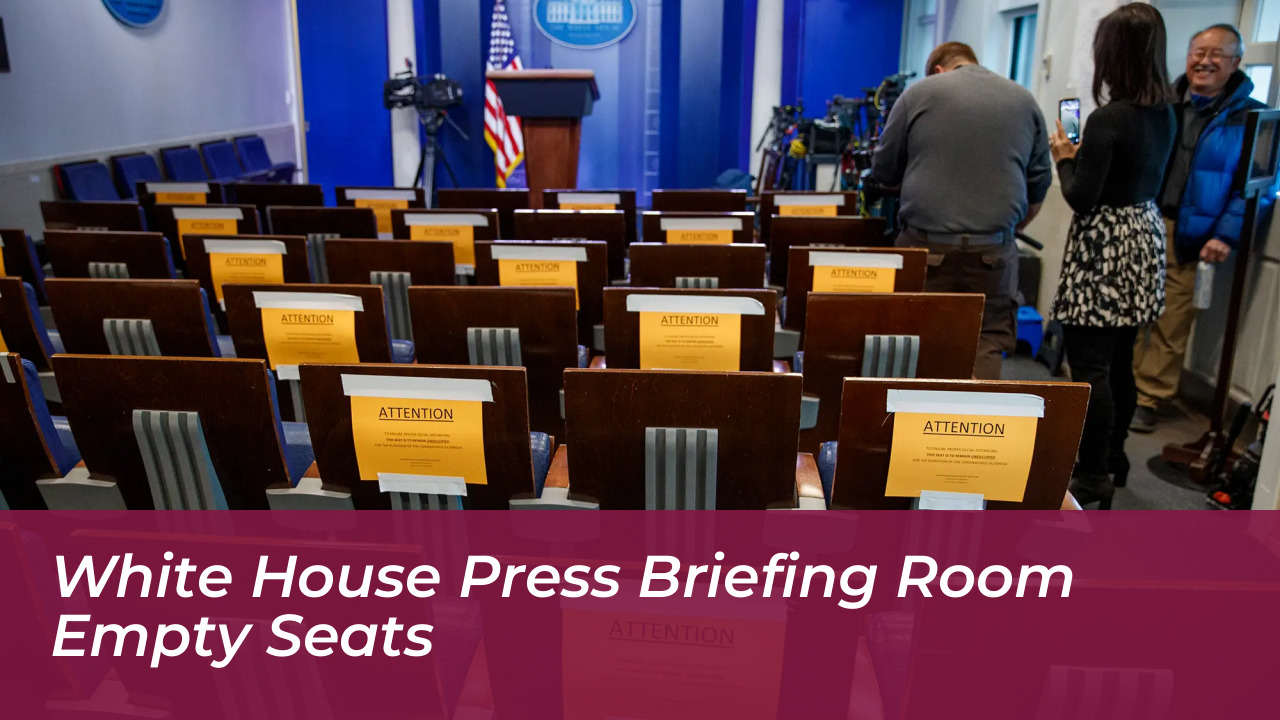
The broader White House press pool responded with coordinated and unified pushback against the executive orders. Rotating journalists representing major broadcast networks suspended internal video coverage of presidential events in solidarity.
This collective stand emphasizes the interdependent nature of the rotating pool system. Journalists realized that permitting the exclusion of one member organization threatened the integrity of the entire press corps operating structure.
Legal Battles and First Amendment Implications
The ongoing denial of travel and physical entry triggered immediate and aggressive legal challenges in federal court. Media lawyers argue that selective exclusion violates core constitutional protections guaranteed to journalists in a free society.
First Amendment and Due Process Claims
Attorneys representing major networks filed formal lawsuits asserting that the White House bans violate the First Amendment and due process rights. The legal teams argue that the executive branch cannot penalize news organizations based on editorial viewpoints or critical coverage.
Constitutional experts point out that while the executive branch maintains discretion over property management, opening spaces to journalists creates a designated public forum where viewpoint discrimination is prohibited.
Department of Justice Arguments and Executive Authority
Government attorneys defended the restrictions by citing broad executive authority and national security interests. Department of Justice representatives pointed to previous media reports containing sensitive material as justification for curtailing physical access.
The government’s legal defense relies heavily on the premise that the president holds absolute discretion over who enters private residential and operational areas. This includes the inner workings of presidential aircraft and secure facilities.
Federal Court Ruling and Judicial Enforcement
U.S. District Judge Timothy Kelly ruled in favor of the media outlets after reviewing arguments from both sides. The court ordered the administration to restore press credentials and facility access immediately.
Despite the judicial mandate, journalists reported ongoing resistance at checkpoint gates, including delayed entry and temporary confiscation of passes. These administrative hurdles required subsequent emergency filings for noncompliance and judicial enforcement.
Structural Changes to White House Press Operations
The administration maintains direct control over daily press credentials, marking a sharp departure from historical norms and institutional traditions.
Transition From WHCA Coordination
Since the inauguration, the White House determines daily pool access independently rather than relying on historical cooperation. Historically, the White House Correspondents Association coordinated the rotation of networks, wire services, and print reporters.
Direct executive curation allows officials to handpick compliant participants or sideline adversarial organizations at a moment’s notice. This structural shift dismantles decades of self-regulation by the working press corps.
Impact on the Public Right to Information
Media advocates argue that removing designated poolers damages democratic transparency and public trust. Joint statements issued by press organizations emphasize that the public relies on independent verification of executive actions.
Restricting vital news organizations prevents the dissemination of unfiltered facts concerning presidential movements and official governance. Without independent pools, the public receives a curated narrative controlled entirely by the government entity being covered.
Future Outlook for Executive Press Relations
The friction between the White House and independent media shows no signs of abating in the current political landscape. As legal proceedings continue through federal courts, the boundaries of executive privilege and freedom of the press face renewed scrutiny.
The administration vows to maintain strict oversight over credentialed journalists regardless of judicial warnings. Meanwhile, media coalitions prepare for protracted legal battles to preserve institutional reporting standards and access rights.
The ultimate outcome of these legal and operational proceedings will define the operational standards for executive branch reporting for years to come. The delicate balance between executive security and press freedom remains on trial in federal courtrooms across the nation.
Frequently Asked Questions
Why was CNN barred from Air Force One?
The administration blocked CNN to protest unfavorable coverage and perceived bias in the network’s reporting. This action reflects broader tensions between executive leadership and legacy media organizations regarding press credentials.
Did the courts rule on the White House press ban?
Federal courts intervened by ruling that executive offices cannot selectively revoke press credentials based on viewpoint discrimination. Judges ordered the restoration of physical access for targeted news organizations.
How did other media outlets respond to the travel ban?
The broader press corps staged coordinated protests and suspended internal video coverage in solidarity with barred networks. Journalists recognized that targeting one outlet threatened the integrity of the entire pool system.