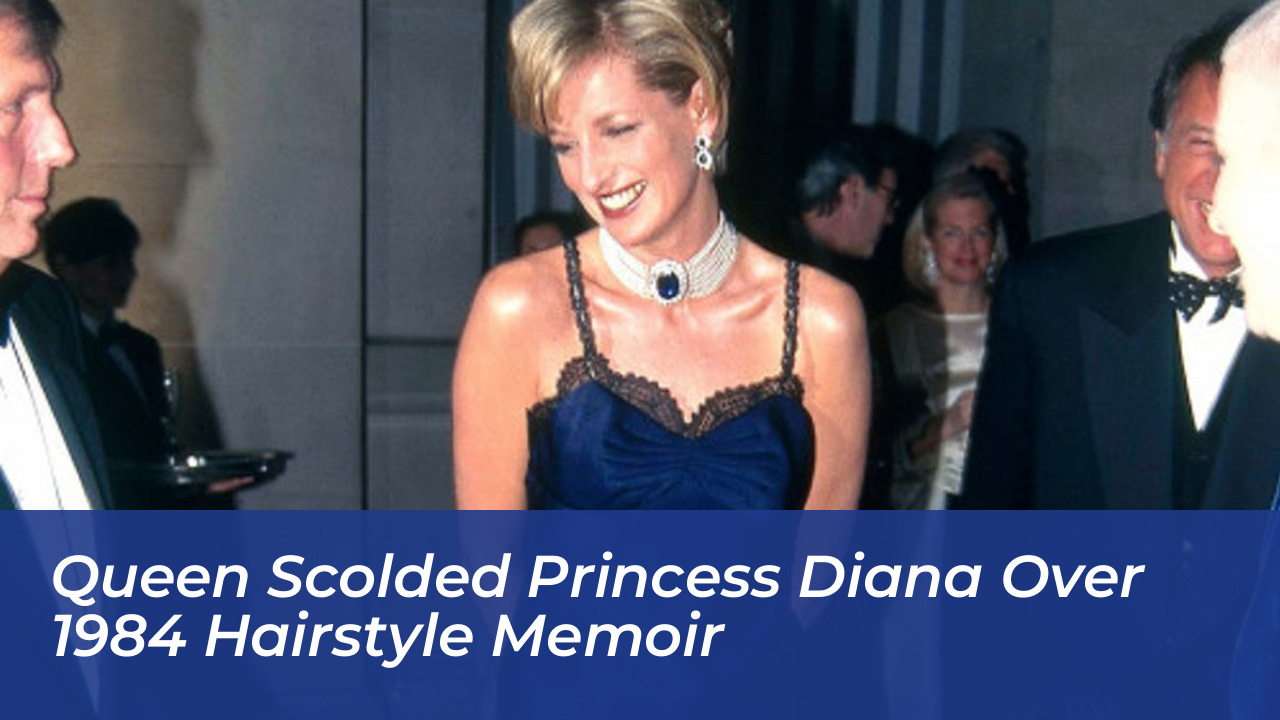
Royal history is filled with rigid traditions, but few moments exposed the quiet tensions of the palace quite like a single evening in 1984. Earl Charles Spencer exposes new insights inside his memoir, Swan Song: Diana, My Sister, detailing the intense scrutiny his late sister faced behind closed doors. During the 1984 State Opening of Parliament, Princess Diana stepped out with a stunning new look that broke unwritten style rules. Her unexpected hairstyle sparked adoration from the public, but it triggered a stern reprimand from the highest authority in the land.
- Introduction: The 1984 Hair Controversy That Stunned the Palace
- Anatomy of the Scene-Stealing 1984 Chignon
- Richard Dalton and the Masterclass in Styling
- The Spencer Tiara and Dramatic Evening Wear
- Protocol, Hierarchy, and Respect for the Boss
- The Unwritten Rules of Royal Visual Priority
- The Reprimand and Diana’s Adaptability
- Beyond the Chignon: Diana as a Generational Style Icon
- The Cultural Phenomenon of Diana’s Haircuts
- The Deeper Pressures Behind Palace Protocol
- Evolution of Royal Hair Through the Decades
- Frequently Asked Questions
- Why was Princess Diana’s 1984 hairstyle considered a breach of protocol?
- Who created the famous 1984 chignon for Princess Diana?
- How did Queen Elizabeth II react to the style choice?
- Did Princess Diana change her hairstyle after the warning?
- Conclusion: The Lasting Legacy of a Royal Rebuke
Introduction: The 1984 Hair Controversy That Stunned the Palace
Earl Charles Spencer releases new insights within his 348-page memoir, Swan Song: Diana, My Sister, shedding light on the immense pressure surrounding the late Princess of Wales. During the 1984 State Opening of Parliament, Princess Diana made a rare deviation from her signature short haircut. She debuted an intricate chignon created by her personal hairstylist, Richard Dalton, which drew immediate gasps of admiration from onlookers gathered outside Westminster.
While the British public and press adored the fresh aesthetic, the royal household reacted with cold disapproval. Media outlets splashed photographs of Diana’s sweeping locks across their front pages. Meanwhile, the reigning monarch’s address outlining the government’s official legislative agenda became an afterthought in the morning papers.
Protocol dictated that senior royals must never overshadow the sovereign during official state engagements. Consequently, the young princess faced direct reprimands from the palace for capturing the entire global media spotlight. This single evening proved that a royal wardrobe choice carried profound political consequences.
Anatomy of the Scene-Stealing 1984 Chignon
Richard Dalton and the Masterclass in Styling
Richard Dalton crafted a masterclass in royal hairstyling for the high-profile parliamentary event. The classic chignon involved gathering the princess hair into a refined bun pinned securely at the nape of the neck. This vintage silhouette mirrored Hollywood glamour from decades prior, accentuating her sharp jawline and delicate bone structure.
The voluminous bun contrasted sharply with Diana’s trademark short haircut and shaggy fringe that defined her early years in the public eye. Transforming her look required immense skill, as Dalton had to manage her natural texture to create a sleek yet full appearance. The dramatic shift signaled her growing confidence in experimenting with high fashion.
The Spencer Tiara and Dramatic Evening Wear
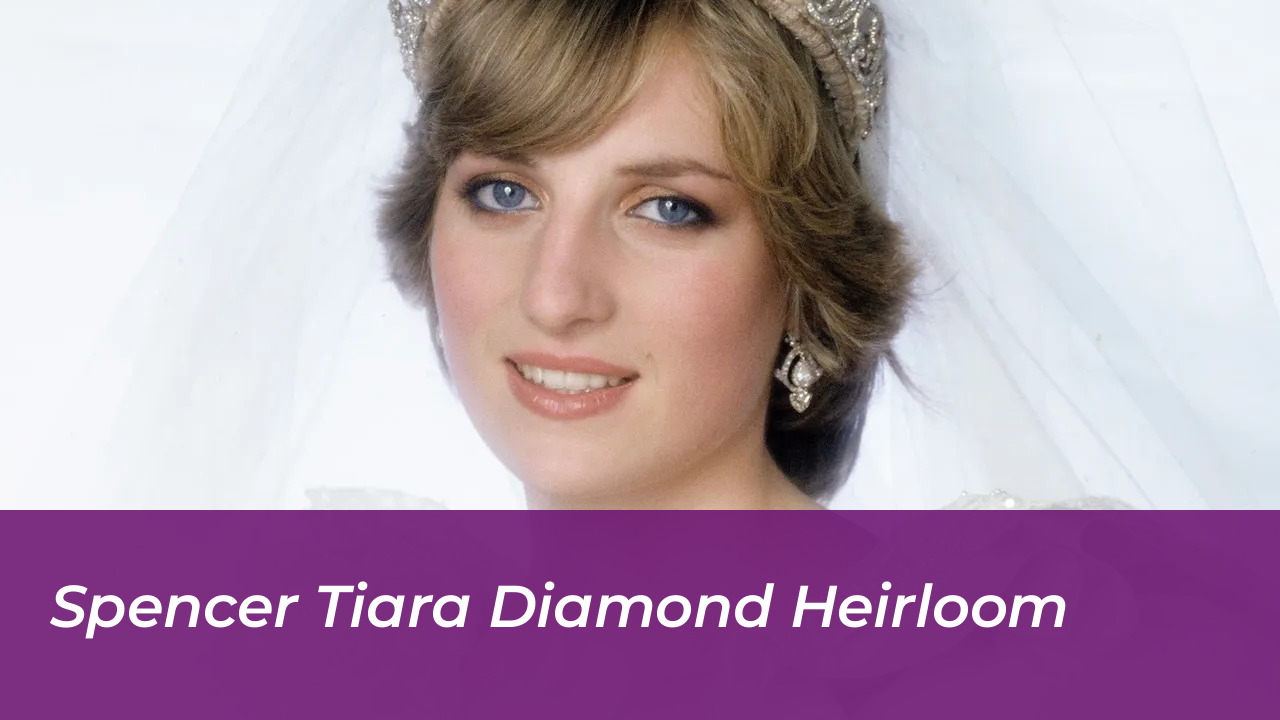
Pairing this voluminous updo with the diamond-encrusted Spencer Tiara created an unforgettable fashion statement. Diana previously wore this family heirloom on her wedding day in 1981, making its unexpected reappearance even more striking to royal watchers accustomed to seeing her without heavy headpieces at standard evening functions.
The strategic choice of attire compounded the visual impact of the evening. Diana stepped out in a voluminous white gown featuring mid-length balloon sleeves and delicate ruffles. This ensemble contrasted sharply with Queen Elizabeth II, who wore traditional full regalia complete with an 18-foot red velvet cape and the Imperial State Crown. The striking combination of a new hairstyle, family diamonds, and dramatic evening wear proved too powerful for traditional royal expectations.
Protocol, Hierarchy, and Respect for the Boss
The Unwritten Rules of Royal Visual Priority
Royal engagements operate under strict unwritten rules where the reigning monarch commands absolute visual priority. Media analysts noted that Diana frequently drew intense public fascination, often eclipsing both Prince Charles and Queen Elizabeth during joint appearances. The parliamentary incident served as a stark reminder of these rigid boundaries.
Hierarchy dictates that no member of the family should draw attention away from the state business at hand. When the front pages featured the princess’s updo instead of the legislative speech, palace aides recognized a breach of protocol. The institution protected its image by ensuring the spotlight remained fixed strictly on the crown.
The Reprimand and Diana’s Adaptability
Palace officials communicated the Queen’s displeasure swiftly, ensuring Diana understood the gravity of protocol breaches. Despite the strict warning, Diana maintained a respectful demeanor toward the sovereign. She referred to Queen Elizabeth II respectfully as “the boss,” balancing her own modern identity with traditional court expectations.
Following the warning, Diana intentionally kept her hair significantly simpler whenever she shared a public engagement with the sovereign. This tactical shift prevented further friction while allowing her to retain her fashion influence during solo appearances. Navigating these hidden rules required constant vigilance and adaptability.
Beyond the Chignon: Diana as a Generational Style Icon
The Cultural Phenomenon of Diana’s Haircuts
Although the 1984 chignon disappeared from public view almost as quickly as it arrived, Diana’s broader influence on hair and fashion remains indelible. Millions of women across the globe copied her signature haircuts throughout the 1980s and 1990s. From her early cropped bobs to voluminous blowouts, every strand she styled became an instant cultural phenomenon.
Earl Spencer’s memoir captures the delicate balancing act his sister performed daily within the British aristocracy. Navigating the rigid expectations of the royal family required immense patience. While the Queen’s reprimand halted experimental updos at state functions, it cemented Diana’s status as a generational style icon capable of steering public attention with a single hairstyle.
The Deeper Pressures Behind Palace Protocol
Life inside the royal household involved constant assessment of public perception and media management. Advisors tracked every headline to ensure the monarchy maintained absolute authority during national events. Diana quickly learned that personal expression often took a backseat to institutional stability.
Balancing royal duties with her own evolving identity created constant friction behind closed doors. Every minor change in appearance invited intense scrutiny from palace aides and tabloid reporters alike. This environment tested her resilience every single day.
Evolution of Royal Hair Through the Decades
Royal hairstyles transitioned significantly from the strict Victorian standards to the softer looks of the late twentieth century. Diana introduced modern styling trends that challenged centuries of conservative palace traditions. Her willingness to take risks transformed how the world viewed royal aesthetics.
Hairstylists working within royal circles faced immense pressure to balance traditional expectations with modern trends. Richard Dalton successfully pushed boundaries while attempting to respect the invisible lines drawn by senior courtiers. His creations ultimately redefined royal beauty standards.
Frequently Asked Questions
Why was Princess Diana’s 1984 hairstyle considered a breach of protocol?
The elaborate chignon drew massive media attention, unintentionally overshadowing the Queen’s speech at the State Opening of Parliament.
Who created the famous 1984 chignon for Princess Diana?
Her personal hairstylist Richard Dalton designed the intricate updo for the high-profile parliamentary engagement.
How did Queen Elizabeth II react to the style choice?
The reigning monarch delivered a stern reprimand through palace officials to ensure future royal outfits did not distract from state business.
Did Princess Diana change her hairstyle after the warning?
She intentionally wore simpler hairstyles during joint engagements with the Queen to avoid further protocol issues.
Conclusion: The Lasting Legacy of a Royal Rebuke
The 1984 hair controversy remains a fascinating chapter in royal archives, highlighting the friction between tradition and modern celebrity. The Queen’s swift reprimand successfully halted experimental updos at future state functions, ensuring the reigning monarch remained the undisputed center of attention during national addresses.
Ultimately, the incident proved that Princess Diana possessed an unmatched ability to influence global culture effortlessly. A single hairstyle shifted the narrative of a historic parliamentary opening, cementing her legacy as a woman who commanded the world stage long before she ever uttered a word.