
The tragedy on Washington state’s Sauk Mountain highlights the severe risks associated with Pacific Northwest alpine environments. When two experienced hikers lost their lives in separate accidents within days of each other, the outdoor community faced a stark reminder of how quickly a scenic recreational trek can turn fatal. These events have sparked urgent conversations regarding mountain safety, trail erosion, and the hidden dangers of navigating narrow mountain switchbacks.
- Overview of the Sauk Mountain Incidents
- Geography and Popularity of Sauk Mountain
- The September 2026 Fatalities
- Incident Details: Gary Idleburg and Peter Kalapaca
- Gary Idleburg’s Fatal Fall
- The Discovery of Peter Kalapaca
- Remembering the Victims and Their Legacies
- Gary Idleburg: Advocate, Educator, and Martial Artist
- Peter Kalapaca: Adventurous Family Man
- Geographic and Structural Hazards of the Trail
- Terrain Features and Drop-Offs
- Trail Erosion and Shifting Footing
- Environmental Risks in Pacific Northwest Ranges
- Slippery Surfaces and Weather Volatility
- Communication Blackouts and Remote Terrain
- Expert Safety Guidelines for High-Altitude Hiking
- Essential Prevention Protocols
- Frequently Asked Questions
- Where is Sauk Mountain located?
- How high is Sauk Mountain?
- What caused the fatal accidents on Sauk Mountain?
- Are dogs allowed on Sauk Mountain Trail?
- What should I do if I witness a hiking accident?
Overview of the Sauk Mountain Incidents
Sauk Mountain stands as a popular destination for outdoor enthusiasts seeking panoramic views of the Cascade Range, the Skagit River valley, and the surrounding wilderness. Reaching a peak altitude of 5,500 feet, the standard trail covers approximately four miles round trip. It attracts hundreds of hikers every week during the peak summer and autumn seasons. However, the geographic beauty of this peak masks severe hazards.
In September 2026, the mountain gained national attention following a pair of fatal incidents occurring within days of each other. Two experienced hikers lost their lives in separate accidents on the steep slopes. These events renewed urgent conversations regarding mountain safety, trail erosion, and the inherent dangers of navigating narrow switchbacks in the Pacific Northwest.
Geography and Popularity of Sauk Mountain
- Location in northwestern Washington and proximity to the Cascade Range.
- Elevation of 5,500 feet and standard four-mile round trip route.
- High volume of hikers visiting during peak summer and autumn seasons.
The September 2026 Fatalities
- Overview of the two separate fatal incidents occurring within days of each other.
- Increased public scrutiny on trail hazards in the Pacific Northwest.
Incident Details: Gary Idleburg and Peter Kalapaca
Search and rescue operations on Sauk Mountain require immense coordination among local authorities, specialized volunteers, and aviation units. The physical layout of the mountain presents immediate hurdles for anyone attempting to locate missing persons or reach injured parties on steep cliff faces.
Gary Idleburg’s Fatal Fall
On Saturday afternoon, September 19, 2026, authorities received emergency calls reporting a catastrophic fall on Sauk Mountain. Gary Idleburg, a 66-year-old resident of Olympia, Washington, was hiking along one of the mountain’s steep switchback trails when he went over the edge.
According to the Skagit County Sheriff’s Office, witnesses observed the fall and immediately contacted emergency services. They provided crucial location details that guided responders to the remote terrain. Idleburg plummeted between 800 and 1,000 feet down the steep cliffside. Emergency medical responders reached Idleburg’s location, but life-saving measures proved unsuccessful. He was pronounced dead at the scene.
Due to the dangerous and inaccessible nature of the landing site, recovery operations required specialized mountain rescue personnel. Crews from the Skagit County Search and Rescue team, alongside Washington State Parks staff and helicopter support, finalized the recovery operation around 8:00 p.m. local time.
The Discovery of Peter Kalapaca
The tragedy involving Gary Idleburg occurred just days after another fatal incident on the exact same mountain. Peter Kalapaca, a 78-year-old hiker, was reported missing by family members on Thursday, September 17, 2026, after failing to return from a trek.
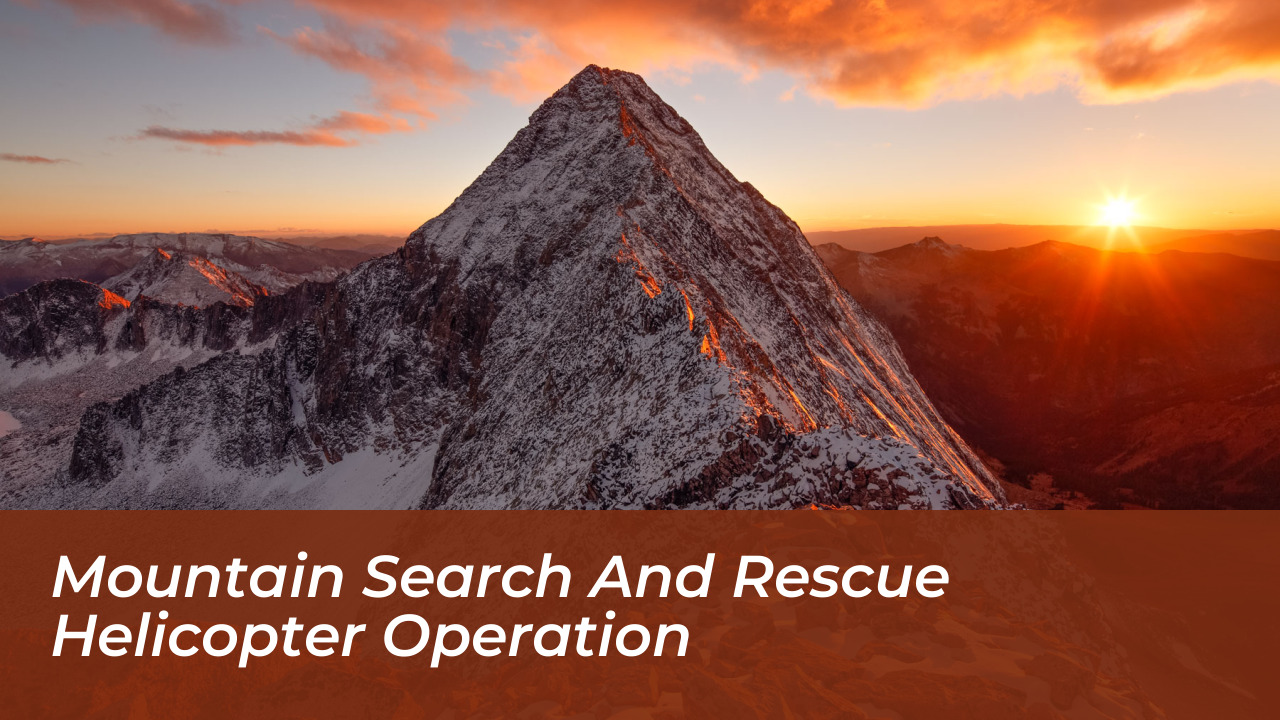
Law enforcement and search and rescue units launched a 24-hour operation involving ground crews, scent-tracking dog units, and aerial support. On Friday, September 18, a helicopter flight crew spotted Kalapaca in an extremely steep section of the mountain that remained inaccessible to ground teams. When rescuers reached his position, Kalapaca was unresponsive and pronounced dead. Officials noted that his age and the arduous terrain contributed to the grim outcome.
Remembering the Victims and Their Legacies
Both men lost on Sauk Mountain left behind deep legacies within their respective communities, remembered fondly by colleagues, family members, and peers.
Gary Idleburg: Advocate, Educator, and Martial Artist
Gary Idleburg lived a life defined by active community engagement and advocacy. Professionally and personally, he dedicated significant time to mentoring others and supporting marginalized groups.
- Prison reform advocacy: Idleburg spent nearly five years teaching classes at the Black Prisoners Caucus, a multi-chapter organization formed by incarcerated individuals aimed at rehabilitation and personal growth.
- Radio broadcasting work: He volunteered at local radio station KSER 90.7 FM, producing a monthly broadcast titled America’s Disappeared, which focused on the criminal justice system and prison reform.
- Martial arts excellence: An accomplished martial artist, Idleburg coached and competed at the Budokan Judo Dojo, where peers remembered him as a dedicated teacher and a cherished competitor at regional tournaments.
Peter Kalapaca: Adventurous Family Man
Peter Kalapaca was remembered by his family as an adventurous, active individual who embraced life with enthusiasm. His son, Andy Kalapaca, noted that while the family mourned his sudden passing, they took comfort in knowing his final moments were spent engaging in an activity he deeply loved.
Geographic and Structural Hazards of the Trail
The Washington Trails Association and local search and rescue teams have long documented the specific geographical perils associated with Sauk Mountain. While the trail spans a modest distance, its structural layout presents severe safety challenges.
Terrain Features and Drop-Offs
Narrow switchbacks and exposed edges characterize the upper portions of the route, with vertical drops exceeding 800 feet in multiple areas. Heavy foot traffic accelerates erosion on loose scree and exposed rock faces, making footing unstable even during dry weather.
Trail Erosion and Shifting Footing
Hikers cutting switchbacks inadvertently destabilize soil shoulders and accelerate erosion. This creates crumbling gravel and unpredictable footing conditions that can give way unexpectedly underfoot.
| Trail Characteristic | Specification | Associated Hazard |
|---|---|---|
| Peak Elevation | 5,500 feet | Rapid weather shifts and steep drop-offs |
| Round Trip Distance | Approximately 4 miles | Misleading sense of short duration leading to underpreparedness |
| Terrain Features | Narrow switchbacks | Exposed edges with vertical drops exceeding 800 feet |
| Erosion Factors | Heavy foot traffic and cutting switchbacks | Loose gravel, crumbling footing, and unstable trail shoulders |
Environmental Risks in Pacific Northwest Ranges
Mountain accidents across Washington State often stem from a combination of unpredictable weather and challenging terrain characteristics.
Slippery Surfaces and Weather Volatility
Slick pine needles, moss-covered rocks, and moisture drastically reduce traction along many woodland paths. Clear mornings frequently transition into heavy fog, rain, or high winds, impairing visibility on narrow ledges.
Communication Blackouts and Remote Terrain
Cellular signal loss remains common in deep valleys and dense forest canopies. These communication blackouts often cause critical delays in emergency notifications when accidents occur.
Expert Safety Guidelines for High-Altitude Hiking
In response to the recent tragedies on Sauk Mountain, wilderness safety experts urge all hikers to adhere strictly to established preventative protocols.
Essential Prevention Protocols
- Never hike alone in remote terrain, and always share exact itineraries with a trusted contact.
- Stay strictly on designated trails to preserve fragile alpine ecosystems and prevent soil destabilization.
- Equip proper footwear with deep treads instead of standard athletic sneakers.
- Carry satellite messengers and personal locator beacons to ensure reliable communication regardless of cellular coverage.
- Turn around early when facing weather deterioration, fatigue, or failing daylight.
Frequently Asked Questions
Where is Sauk Mountain located?
Sauk Mountain sits in Skagit County, Washington, near the town of Concrete within the northwestern region of the state.
How high is Sauk Mountain?
The summit reaches an elevation of 5,500 feet above sea level.
What caused the fatal accidents on Sauk Mountain?
Both victims suffered accidental falls while navigating steep, narrow switchback trails near exposed cliff edges.
Are dogs allowed on Sauk Mountain Trail?
Dogs are permitted but authorities strongly recommend keeping pets on a short leash due to extreme drop-offs.
What should I do if I witness a hiking accident?
Stay put if safe, call 911 or use a satellite device to relay precise GPS coordinates, and guide responders without endangering yourself.