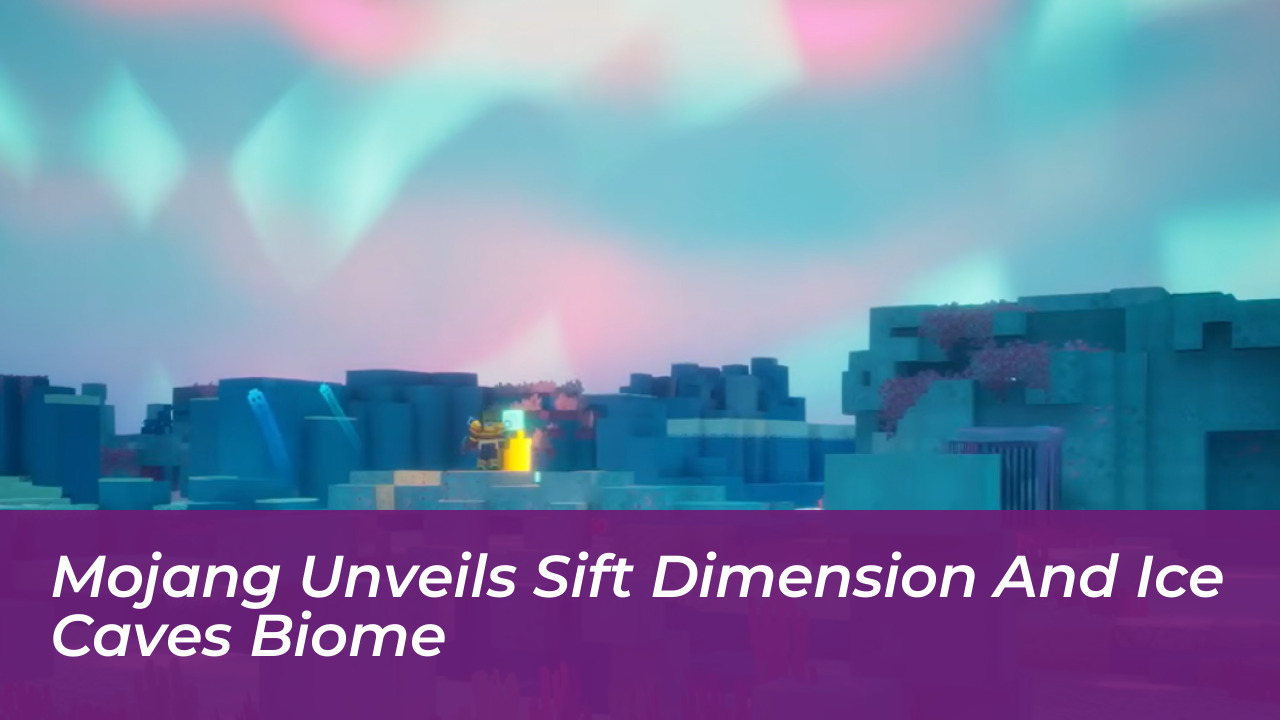
Mojang Studios reshaped the future of its flagship sandbox franchise during the Minecraft Live digital broadcast on September 26, 2026. The event delivered a series of major content reveals, headlined by the unveiling of the Sift dimension alongside a cold underground expansion known as the Ice Caves biome. This announcement marks a historic moment for the game: the Sift represents the core title’s fourth official dimension, ending a 14-year gap since the introduction of The End in 2011. Beyond the main game, Mojang detailed cross-platform releases, real-world entertainment spaces, and system updates spanning the entire franchise universe.
- Introduction to Minecraft Live 2026 Announcements
- A Historic Shift for the Sandbox Franchise
- Overview of the Multi-Year Development Roadmap
- The Sift: Minecraft’s Fourth Official Dimension
- Breaking the Fourteen-Year Dimension Gap
- Dimensional Rifts and New Access Mechanics
- Exploring the Meadow and Carapace Biomes
- Narrative Connections and End Dimension Clarification
- Comparative Analysis of Minecraft Dimensions
- Dimension Release Year and Access Method Table
- Contrasting Palette and Survival Mechanics
- Underground Exploration in the Ice Caves Biome
- Glowing Ice Crystals and Translucent Building Blocks
- Navigating Hazardous Caverns and Falling Icicles
- Hostile Mobs and Mechanics: The Frozen Zombie
- Combat Dynamics and Stacking Freeze Effects
- Powder Snow Conversion and Automated Farm Synergy
- Ice Ball Projectiles and New Potion Brewing
- Minecraft Dungeons II and Franchise Expansion
- Open World Co-Op Combat and Possession Mechanics
- Traversal Parkour and the Sift Narrative Bridge
- Frequently Asked Questions
- When is the Sift dimension releasing in Minecraft?
- How do you access the Sift dimension?
- What is the Ice Caves biome?
- What mechanics does the Frozen Zombie introduce?
- Does Minecraft Dungeons II connect to the main game lore?
Introduction to Minecraft Live 2026 Announcements
A Historic Shift for the Sandbox Franchise
The addition of a brand new dimension changes the long-term trajectory of Minecraft. For over a decade, players explored the Overworld, the Nether, and The End with few structural additions to inter-dimensional travel. By introducing a fourth plane of existence, the development team opens new avenues for world design, progression loops, and lore integration. This shift demonstrates a renewed commitment to expanding the core experience beyond routine updates and minor mob additions.
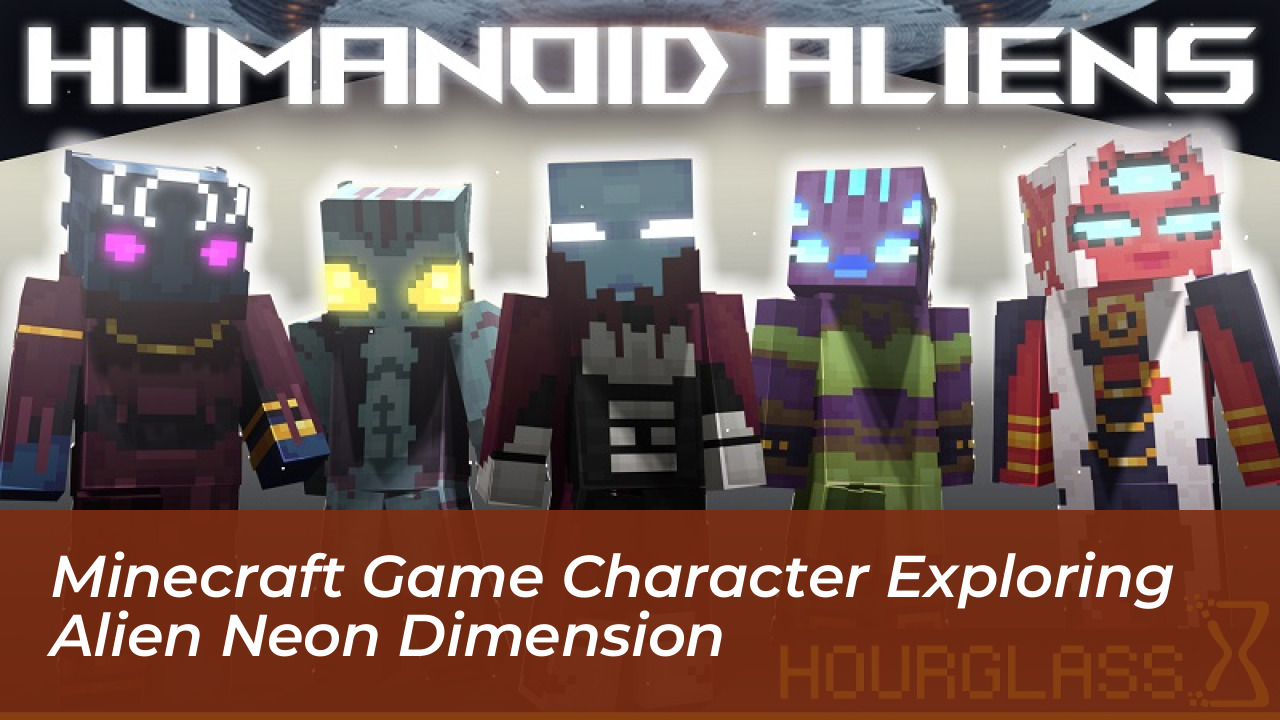
The reception from the community highlights an appetite for high-impact content. Players spent years speculating about potential reworks for existing dimensions. Instead of minor adjustments, Mojang chose to craft an entirely original environment that challenges veteran survival strategies and introduces fresh mechanics.
Overview of the Multi-Year Development Roadmap
The showcase outlined an ambitious multi-year roadmap covering immediate game drops, standalone spin-offs, and hardware releases. Key takeaways from the event include the Sift dimension arriving in 2027 for Java and Bedrock Editions, and the upcoming Ice Caves biome drop. Mojang also confirmed the launch of Minecraft Dungeons II on September 29, 2026, alongside an upgraded platform edition for the Nintendo Switch 2 launching on October 27, 2026, targeting 60 frames per second.
Real-world integration also forms part of this roadmap. A partnership with Merlin Entertainments will bring real-world attractions and a themed resort hotel opening in 2027. This broad strategy ensures that Minecraft remains a dominant force across gaming hardware, theme parks, and digital media platforms.
The Sift: Minecraft’s Fourth Official Dimension
Breaking the Fourteen-Year Dimension Gap
The Sift represents the largest architectural expansion to Minecraft since the official 1.0 release. Joining the Overworld, the Nether, and the End, this plane presents a stark aesthetic departure from existing locations. Built around vibrant shades of neon blue and glowing magenta, the Sift presents a floating, layered geography teeming with wandering ambient spirits and primordial life structures.
Navigating this space requires distinct survival techniques because traditional resources found in the Overworld behave differently under the atmospheric pressure of the Sift. Players must adapt to surreal hazards, floating islands, and environmental puzzles that require advanced traversal gear.
Dimensional Rifts and New Access Mechanics
Players will not build standard obsidian frames to cross into the Sift. Instead, transit relies on stable dimensional rifts found deep within underground caverns and ancient surface structures. Interacting with these natural anomalies creates permanent gateways connecting the Overworld to the Sift. This mechanical shift encourages deeper exploration of existing worlds rather than simple resource harvesting.
Locating these rifts requires careful listening and observation. Rifts emit low-frequency ambient audio hums and distort nearby lighting sources. Players must equip specific compass variants to track dimensional anomalies across difficult terrain.
Exploring the Meadow and Carapace Biomes
Mojang showcased two primary biomes within the Sift during the live presentation. The Meadow is a luminous open expanse covered in soul-infused plant life. Glowing vegetation emits ambient particle effects, creating high-visibility zones despite the dimension’s dark, atmospheric sky. The Carapace is a rugged, hazardous terrain formed from giant fossilized skeletal remains. Dense stone arches and calcified ribs shape towering canyons, requiring vertical mobility and careful footwork.
Survival in these biomes demands distinct approaches. The Meadow offers relative safety and harvestable soul flora, while the Carapace tests spatial awareness with sheer drops and aggressive native entities.
Narrative Connections and End Dimension Clarification
Addressing long-standing community speculation regarding an update to The End, Mojang Chief Creative Officer Jens Bergenström clarified the team’s direction. Creative focus shifted toward building an entirely original world rather than altering The End’s established void structure. The Sift expands upon narrative elements introduced across the franchise, tying directly into the spreading soul corruption that players encounter in spinoff titles.
This clarification sets clear expectations for the lore community. Rather than treating the new dimension as an afterthought, developers positioned it as a central pillar of the ongoing Minecraft storyline.
Comparative Analysis of Minecraft Dimensions
Dimension Release Year and Access Method Table
The addition of the Sift balances survival gameplay across four distinctly styled environments. The table below outlines how the new plane compares against established locations:
| Dimension | Release Year | Primary Access Method | Color Palette | Core Survival Challenge |
|---|---|---|---|---|
| Overworld | 2009 | Initial Spawn Point | Natural Greens, Blues, Browns | Day/Night Cycle, Resource Gathering |
| The Nether | 2010 | Obsidian Frame Portal | Crimson, Basalt, Lava Red | Extreme Heat, Void Falls, Aggressive Mobs |
| The End | 2011 | End Portal Frame (Stronghold) | Pale Yellow, Black Void, Purple | Boss Combat, Void Chasm Traversal |
| The Sift | 2027 | Subterranean Dimensional Rifts | Neon Blue, Glowing Pink, Calcified White | Surreal Hazards, Atmospheric Soul Mechanics |
Contrasting Palette and Survival Mechanics
Each dimension serves a distinct purpose within the game loop. While the Overworld emphasizes resource gathering and construction, the Nether focuses on high-risk material farming. The End provides late-game progression through dragon combat and elytra acquisition.
The Sift introduces psychological and spatial hazards. The neon palette and alien physics challenge established building styles, forcing creators to adapt their architectural methods to floating islands and vertical canyon structures.
Underground Exploration in the Ice Caves Biome
Glowing Ice Crystals and Translucent Building Blocks
Scheduled as the next upcoming Game Drop prior to the Sift’s arrival, the Ice Caves biome expands underground diversity beneath freezing surface biomes like Snowy Tundras and Jagged Peaks. These cold caverns combine dangerous environmental hazards with unique light sources and building materials. Glowing ice crystals grow natively along cavern floors and walls, emitting a cool ambient light source equal to light level 10.
Players can mine and place these blocks in both horizontal and vertical orientations, giving builders versatile light sources for modern structures and subterranean bases. Additional native materials include large veins of calcite and dense clear ice, offering crisp translucent textures for creative projects.
Navigating Hazardous Caverns and Falling Icicles
Navigating Ice Caves requires constant attention to vertical surroundings. Heavy icicles hang from cavern ceilings and drop when disturbed by block updates or projectile impacts, dealing physical damage to unsuspecting miners below. Slippery floor surfaces complicate precision movement during combat engagements.
Miners must wear specialized footwear enchantments to maintain traction on polished ice surfaces. Neglecting these environmental factors leads to rapid falls into deep chasms or direct hits from falling ceiling debris.
Hostile Mobs and Mechanics: The Frozen Zombie
Combat Dynamics and Stacking Freeze Effects
The Ice Caves biome introduces a cold-adapted hostile mob variant designed to pressure players at range and in close combat. Unlike standard surface zombies, the Frozen Zombie possesses both melee and ranged offensive capabilities. At distance, the mob throws ice balls that inflict physical knockback damage. In close combat, its physical strikes apply a stacking freeze status effect.
If a player receives multiple consecutive hits, their movement speed drops, leather armor insulation fails, and continuous freezing damage accrues similar to standing in powder snow. This forces players to prioritize ranged elimination or utilize fire-based utilities.
Powder Snow Conversion and Automated Farm Synergy
Standard zombies that sink into powder snow blocks begin a visual shaking sequence. After seven seconds of exposure, the standard zombie transforms directly into a fully healed Frozen Zombie. This conversion mechanic allows players to build automated mob conversion farms in cold survival biomes.
Automated setups yield consistent drops without requiring manual hunting in deep caves. Players can harvest specialized materials efficiently by channeling standard zombie spawners directly into controlled powder snow collection chambers.
Ice Ball Projectiles and New Potion Brewing
Eliminating a Frozen Zombie yields regular mob drops alongside craftable ice balls. Players can throw these projectiles directly to knock back enemies or push hostile mobs into environmental hazards. Combining these ice drops with existing brewing ingredients creates new frost resistance potions and freezing splash flasks.
These tactical options give players better crowd control during multiplayer raids and tough dungeon encounters. Mastering these brewing mechanics remains essential for surviving the harsh conditions of the Sift and the Ice Caves.
Minecraft Dungeons II and Franchise Expansion
Open World Co-Op Combat and Possession Mechanics
Minecraft Dungeons II launches on September 29, 2026, expanding the cooperative action RPG genre within the franchise ecosystem. The sequel features an open world structure that moves away from linear mission selection, allowing groups of players to explore interconnected regions seamlessly. A standout mechanic is enemy possession, which lets players temporarily control specific mob types to solve puzzles and turn enemy defenses against their allies.
This mechanical addition increases combat variety and team coordination. Players must communicate effectively to combine possession abilities with traditional weapon classes.
Traversal Parkour and the Sift Narrative Bridge
Enhanced traversal parkour mechanics allow for fluid movement across complex terrain. Players can vault over obstacles, slide under low barriers, and chain momentum across elevated platforms. These movement upgrades tie directly into the broader franchise narrative by serving as a testing ground for mechanics that eventually influence the main sandbox game.
The storyline of Minecraft Dungeons II acts as a narrative bridge leading directly into the events of the Sift dimension update. By weaving lore across multiple titles, Mojang creates a unified universe that rewards players who follow both the core sandbox and its spin-off releases.
Frequently Asked Questions
When is the Sift dimension releasing in Minecraft?
The Sift dimension is scheduled to launch in 2027 for both Java and Bedrock Editions.
How do you access the Sift dimension?
Players access the Sift through stable dimensional rifts found deep within underground caverns and ancient surface structures, rather than building traditional obsidian frames.
What is the Ice Caves biome?
The Ice Caves biome is an underground expansion dropping prior to the Sift, featuring glowing ice crystals, hazardous falling icicles, and the new Frozen Zombie mob.
What mechanics does the Frozen Zombie introduce?
The Frozen Zombie throws ice balls, applies stacking freeze status effects in melee combat, and can be created by exposing standard zombies to powder snow for seven seconds.
Does Minecraft Dungeons II connect to the main game lore?
Yes, Minecraft Dungeons II acts as a narrative bridge that introduces soul corruption lore leading directly into the discovery of the Sift dimension.