Long before commercial cleaning aisles filled with heavily fragranced aerosol sprays, generations of homemakers relied on basic pantry chemistry to keep their homes spotless. Today, a viral 3-ingredient cleaning hack dominating home-care feeds is proving that grandma’s wisdom stands the test of time. By combining basic baking soda, concentrated dish soap, and a controlled splash of warm water, this traditional blend effortlessly strips baked-on oven grease, soap scum, and discolored tile grout without breaking the bank.
Rather than relying on thin commercial solvents that slide over high-friction household messes, this thick traditional paste delivers immediate, visible results. Understanding why this humble formula outperforms expensive specialty products comes down to the microscopic interaction between grease, surface tension, and pH balance.
The Powerhouse Trio: How the Chemistry Actually Dislodges Grime
Commercial cleaning sprays frequently rely on volatile organic compounds designed to evaporate rapidly. While convenient for light dusting, these formulas lack the mechanical body required to lift polymerized cooking oil and deeply seated mineral residue. The viral paste succeeds because each component attacks greasy buildup at a different chemical angle:
- Baking Soda (Sodium Bicarbonate): Operating at a mildly alkaline pH around 8 to 9, baking soda neutralizes acidic grease compounds while providing a crystalline structure that scrubs away dirt without scratching porcelain, glass, or enamel.
- Concentrated Liquid Dish Soap: Acting as an engineered surfactant, dish soap reduces the surface tension of water, allowing it to penetrate sticky lipids and suspend loosened oil particles so they rinse clean.
- Warm Water: Acting as the hydrating solvent, warm water activates the surfactant and turns the dry powder into a stable, spreadable paste that clings to vertical surfaces like oven walls and shower tiles.
When combined into a thick paste with the consistency of frosting, the mixture sits directly on stubborn spots without running off, allowing the active ingredients to dissolve grease bonds before any scrubbing begins.
How to Mix and Apply the Viral Scrub
Precision matters when preparing this mixture. Adding too much liquid dilutes the cleaning power, transforming an abrasive paste into a watery runoff that fails to grip stained surfaces. Follow these exact steps for optimal cleaning efficiency:
- Measure approximately half a cup of baking soda into a small glass or ceramic mixing bowl.
- Add two tablespoons of concentrated dish soap directly onto the powder.
- Stir slowly while adding one to two tablespoons of warm water until the mixture forms a smooth, non-dripping paste.
- Spread the paste generously over the target surface-such as an oven door, kitchen sink, or tile grout-and allow it to dwell undisturbed for 15 to 20 minutes.
- Scrub in small circular motions using a non-scratch sponge, then wipe the area completely clean with a damp microfiber cloth.
The secret to cleaning efficiency is dwell time; letting a surfactant-abrasive paste sit on polymerized fats allows the chemical bonds to soften before physical effort is applied.
The Vinegar Myth: Why Mixing Acid and Base Directly Fails
While the standard paste handles grease, many home cleaners wonder whether adding another pantry favorite-distilled white vinegar-might make the formula even stronger. A widespread internet trend involves mixing baking soda directly with white vinegar in a spray bottle, celebrating the dramatic eruption of foam as proof of cleaning power.
Chemically, this reaction is largely cosmetic. Baking soda is a base, while white vinegar contains dilute acetic acid. Combining them produces an immediate reaction that yields water, carbon dioxide gas, and sodium acetate. Combining an alkaline abrasive with an acid in the same vessel immediately neutralizes both active agents, leaving behind little more than carbonated saltwater.
To use vinegar effectively with this traditional technique, treat it strictly as a secondary rinse. Applying the baking soda and dish soap paste first removes the grease; wiping down afterward with a 50/50 water-and-vinegar solution reacts with leftover alkaline powder, foaming lightly to lift residual film and leaving glass or chrome streak-free.
Surface Compatibility Guide
Although this natural cleaning hack is remarkably versatile, physical abrasives and alkaline mixtures must be applied thoughtfully across different household materials:
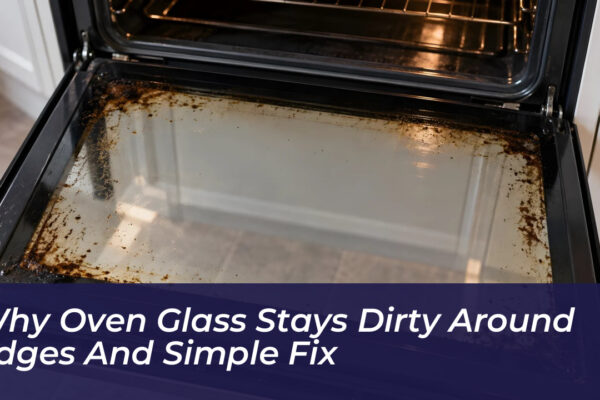
- Oven interiors and glass doors: Highly effective; apply thick paste, dwell 20 minutes, wipe with damp cloth.
- Stainless steel sinks: Safe and effective; rub strictly along the grain of the steel to prevent hazing.
- Ceramic and porcelain tile grout: Excellent; brush paste deep into lines with an old toothbrush, then rinse.
- Cast iron cookware: Avoid; the alkaline abrasive strips the protective cured seasoning layer.
- Natural marble and limestone: Do not use; micro-abrasives and acidic rinses cause permanent surface etching.
- Anodized aluminum pans: Not recommended; extended contact with alkaline baking soda discolors aluminum.
Protecting Delicate Finishes
Before applying the paste across broad or highly visible installations, testing an inconspicuous corner ensures the abrasive action will not dull high-gloss sealants or decorative coatings. Enamel bathtubs and modern tempered glass withstand the paste easily, but soft plastics and delicate acrylics can develop microscopic scratches over repeated use.
For routine maintenance across the home, keeping these three accessible ingredients on hand eliminates the clutter of single-use chemical bottles while delivering reliable, time-tested performance.
Frequently Asked Questions
Can I store leftover baking soda and dish soap paste for later use?
It is best to mix this paste fresh for each cleaning session. Because water is introduced into the dry baking soda and soap mixture, storing it long-term can alter its consistency and reduce its active foaming and cleaning potency.
Is this paste safe to use on glass stovetops?
Yes, baking soda acts as a mild, non-scratch abrasive that safely lifts burnt-on food particles from glass cooktops when applied with a non-scratch sponge and wiped clean with a damp microfiber cloth.
Why does warm water matter more than cold water in this mix?
Warm water acts as a superior hydrating solvent that accelerates the activation of surfactants in the dish soap, helping them penetrate thick grease and oil bonds much faster than cold water.
Will this mixture disinfect surfaces like bleach does?
No, this traditional cleaning paste focuses entirely on mechanical abrasion, grease emulsification, and pH neutralization. It does not sanitize or kill bacteria in the way specialized commercial disinfectants or bleach solutions do.
Can I substitute liquid hand soap for dish soap in this recipe?
Dish soap is specifically engineered to cut heavy kitchen lipids and grease. Hand soap often contains moisturizers and emollients that leave an oily residue behind, making it far less effective for heavy-duty degreasing.