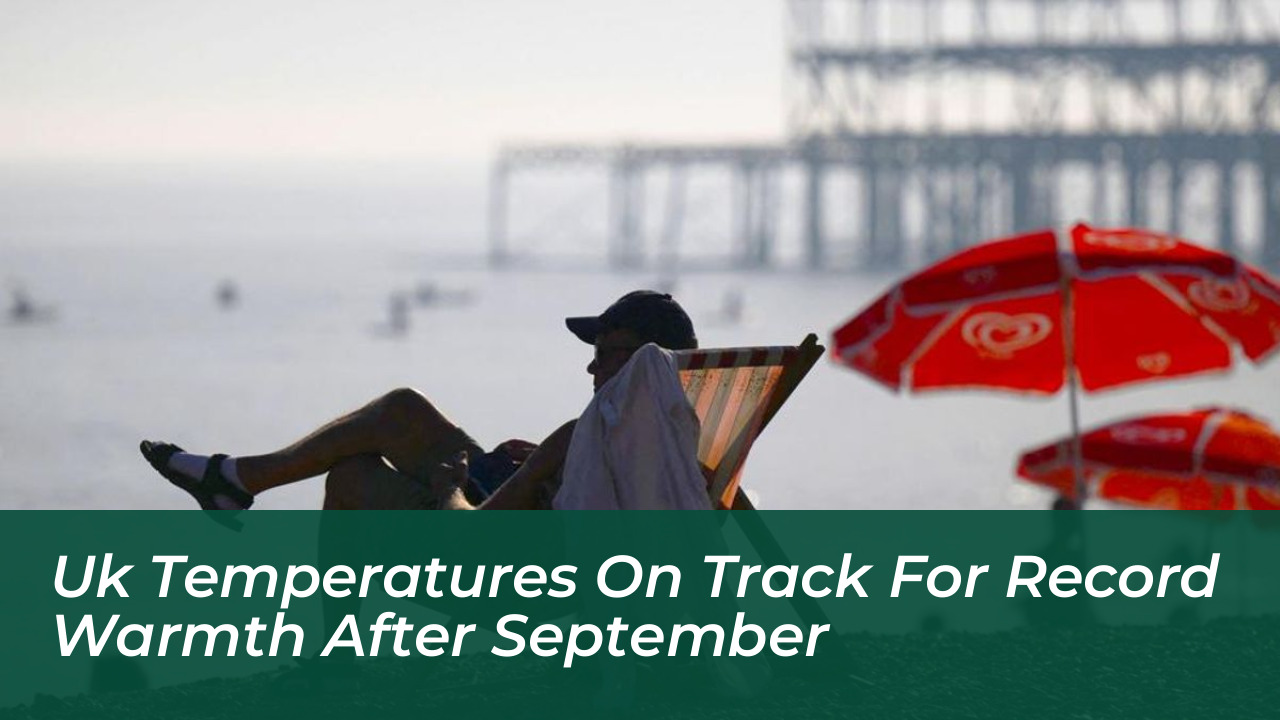
Provisional figures from the Met Office show that the United Kingdom experienced its joint fourth warmest September on record, keeping 2026 on track to become one of the hottest years in history. For the eighth consecutive month, average UK temperatures exceeded normal levels by more than 1°C, driven by persistent high pressure and late-month warmth.
Due to high traffic on this story, please verify you are not a bot to instantly unlock the remaining content. Takes only 5 seconds!
Verify & Continue ReadingThe national mean temperature reached 14.6°C in September, standing 1.6°C above the long-term average, despite no official heatwaves during the month. This matches September temperature records set in 1949 and 2016, though it remains about 2°C cooler than the all-time September highs recorded in 2006 and 2023.
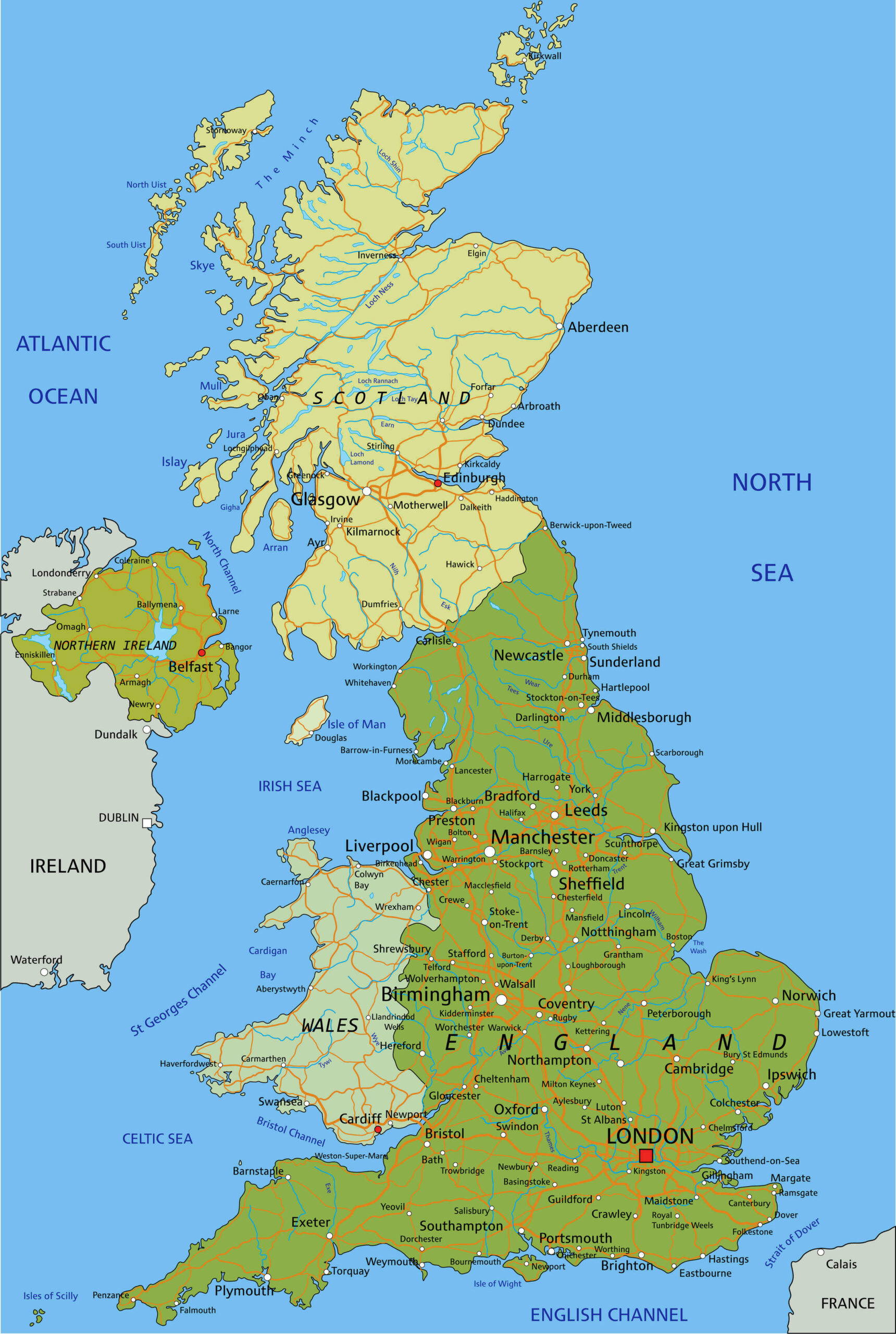
Regional Temperature Extremes Across the UK
Temperature extremes varied across the British Isles in September. Northolt in London hit the month’s peak of 28.6°C on September 6, while a later surge reached 28.1°C at Kew Gardens on September 29. In Northern Ireland, Helen’s Bay logged 25.5°C on September 21, marking its latest date on record to exceed 25°C.
The warmth was distributed unevenly across the four nations:
- England: Recorded its third warmest September on record.
- Northern Ireland: Recorded its fourth warmest September and ranked joint-first for average minimum overnight temperatures.
- Wales: Reported its joint-sixth warmest September on record.
- Scotland: Remained warmer than average, sitting just outside its top 10 warmest Septembers.
A Continuous Pattern of Above-Average Warmth in 2026
According to the Central England Temperature dataset-the world’s longest temperature record, dating back to the 17th century-every month of 2026 has been warmer than average. The year to date is currently tracking at 2.6°C above normal.
Mike Kendon, a Met Office climate information scientist, noted that this persistent warmth fits a wider trend. “While the month itself was unexceptional overall, when putting it into the context of the warm year we’ve had so far, this fits with the general pattern that we’re seeing of more frequent above average temperatures in the UK as our climate continues to change,” Kendon stated.
Rainfall Disparities and Ongoing Drought Concerns
While the UK’s overall rainfall for September averaged near normal at 104%, these figures mask regional variations that left parts of the country facing severe water deficits after a scorching summer.
“September’s rainfall has been welcome, but a few weeks of unsettled weather is nowhere near enough to reverse the water deficits caused by a dry spring and record hot summer,” said Environment Agency Chief Executive Philip Duffy.
Scotland received nearly 40% more rainfall than its long-term average, while eastern and southeast England experienced another dry month. In Lincolnshire and parts of Yorkshire, rainfall totals reached only 20% to 30% of normal expectations. The Environment Agency stresses that at least seven months of sustained, above-average rainfall will be required to fully replenish depleted groundwater tables, rivers, and reservoirs.
Looking Ahead: Autumn and Winter Forecasts
With a super El Niño climate phenomenon expected to peak in the tropical Pacific, meteorologists anticipate that the rest of autumn and the start of winter will remain milder than average across the UK. Barring a dramatic shift toward cooler weather in the final quarter, 2026 is virtually guaranteed to rank among the warmest years in British meteorological history.