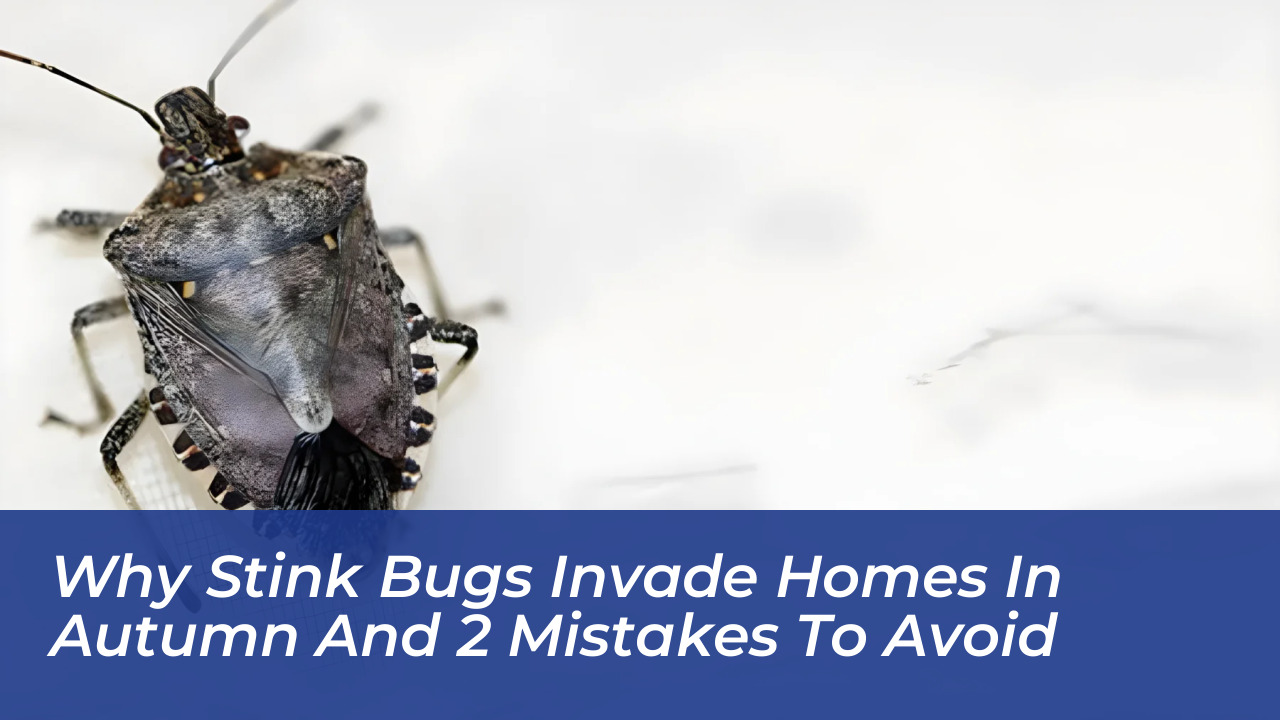
As autumn temperatures begin to drop, shield-shaped insects crawling along ceilings, windows, and houseplants signal that seasonal shelter-seeking is underway. When the weather turns chilly, stink bugs abandon outdoor vegetation and actively seek heated rooms to survive until spring. However, attempting to remove them using quick fixes like glue traps or vacuum cleaners often triggers an intense chemical defense, transforming a minor seasonal nuisance into a persistent odor problem.
Due to high traffic on this story, please verify you are not a bot to instantly unlock the remaining content. Takes only 5 seconds!
Verify & Continue ReadingWhy Autumn Drives Shield Bugs Indoors
Much like ladybugs and house spiders, stink bugs search for protected spaces that offer insulation against freezing outdoor temperatures. Dry and exceptionally warm summer months accelerate reproduction rates, causing insect populations to surge dramatically by the time cooler weather arrives. Once outdoor temperatures drop, these bugs look for narrow structural crevices to hide unnoticed.
Homes provide optimal conditions for this survival phase, offering warm air, shielded ceiling corners, and undisturbed wall voids. They squeeze through micro-gaps around window frames, weather stripping, and vents. While harmless to human health and structurally non-destructive, their presence causes immediate concern due to their defensive chemistry.
Several common species frequently attempt this seasonal migration:
- Brown marmorated stink bug: A widespread, invasive species that frequently enters living areas in high numbers.
- Green stink bug: Commonly found among broadleaf foliage before seeking indoor warmth.
- Grey-brown field bug: Often seen congregating on exterior siding and window sills as days shorten.
- Reddish-brown conifer seed bug: A larger shield bug species drawn to heated buildings during autumn.
When a threatened shield bug is disturbed, it releases a pungent glandular fluid from its abdomen designed to deter predators. This creates an odor that stubbornly embeds itself into porous household materials like upholstery, curtains, and clothing.
The Two Critical Mistakes That Make the Smell Worse
Provoking an indoor infestation turns a minor nuisance into a long-lasting odor challenge. When frightened or crushed, the insects discharge a foul-smelling secretion from their rear abdomen. Although completely non-toxic to humans, the chemical compounds latch firmly onto surfaces and require extensive time to neutralize.
1. Never Use Glue Traps
Sticky boards and adhesive insect traps, though highly effective against pests like silverfish or spiders, backfire completely against stink bugs. The moment a bug becomes ensnared on an adhesive surface, it perceives extreme danger. In response, it continuously releases defensive secretions until it either breaks free or dies, saturating the immediate area with a prolonged, concentrated stench.
2. Keep the Vacuum Cleaner Stored Away
Suctioning live insects into a vacuum cleaner triggers identical defense reactions. The mechanical turbulence causes the insect to release its odorous fluid inside the collection canister, filter, and hose lining. Because the chemical residue clings to internal plastic components, the vacuum will exhaust that pungent scent across your living room every single time you switch the appliance on.
Handling Shield Bugs: Methods Compared
Distinguishing effective removal practices from counterproductive reactions prevents lingering odors in residential spaces.
- Vacuuming: Contaminates the appliance filter with defensive fluid that vents foul air during future use.
- Glue Traps: Causes continuous stress secretions until the insect dies on the adhesive strip.
- Paper and Cup Capture: Permits gentle, non-threatening relocation outdoors without triggering the defensive scent glands.
- Sealing Entry Gaps: Prevents outdoor autumn swarms from finding winter harborage inside wall cavities.
How to Safely Remove Stink Bugs Without the Odor
Eliminating wandering insects requires a calm, non-confrontational approach. The goal is simple: escort the bug outside without triggering its panic reflex using the cup-and-paper method:
- Cover the bug: Place a wide-mouth cup or jar gently over the insect while it sits on a flat wall or window pane.
- Slide a rigid sheet: Slowly ease a stiff index card or piece of cardboard between the wall and the cup mouth until the bug steps onto it.
- Carry it outdoors: Keep the container covered, step outside into your yard or garden, and release the insect well away from entry doors.
Preventive Maintenance to Stop Autumn Incursions
Preventive maintenance remains the single most reliable deterrent against large-scale autumn incursions. Inspecting window mesh screens for tears and caulking narrow exterior wall gaps blocks the insects before they establish indoor winter hideaways. Check window screens, door sweeps, and drafty doorways before autumn temperatures drop to keep migrating bugs from moving into your living room.