Leaders of the Group of Seven (G7) nations agreed on October 2 to release up to 100 million barrels of emergency diesel and crude oil stockpiles. This move aims to ease surging fuel prices and support household economies worldwide. The International Energy Agency (IEA) will manage the coordinated drawdown, which will take place over four months. The plan focuses immediately on front-loading substantial diesel supplies within the first 20 days.
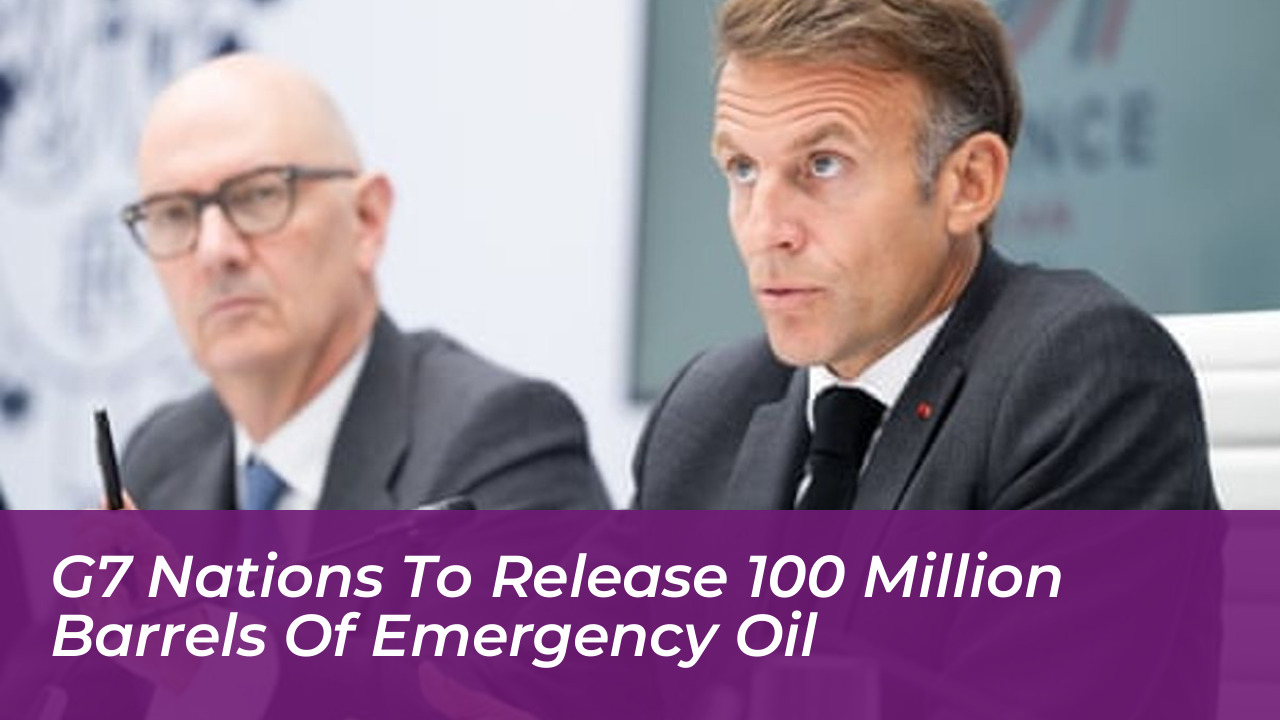
French President Emmanuel Macron, whose country holds the rotating G7 presidency, confirmed the historic agreement after a virtual video conference with allied leaders. The emergency measure seeks to lower petroleum product prices directly, particularly diesel, which has reached record highs in North America and Europe. Participating member countries include the United States, the United Kingdom, Germany, Italy, Canada, and Japan.
Addressing Global Energy Volatility and Soaring Diesel Prices
The decision to tap into strategic reserves responds to unprecedented volatility in global oil markets, largely driven by ongoing conflicts in the Middle East. High fuel costs have created severe financial pressure for transport truck drivers, agricultural sectors that require heavy machinery for harvests, and everyday consumers facing rising inflation.
U.S. President Donald Trump, facing political pressure ahead of midterm elections, addressed the initiative on social media. "Europe has just agreed to release a massive amount of their heavily stocked Diesel Oil. The process will begin immediately," Trump posted on Truth Social.
Before the formal announcement, tensions arose regarding potential American export bans on diesel. U.S. officials had previously floated export restrictions to preserve domestic supply. European representatives warned that this move could backfire and strain global markets. However, the final G7 joint statement clarified that member nations mutually agreed to refrain from imposing export restrictions on energy products between one another. They also called on all global producers to avoid bans that could worsen market tensions.
Implementation and IEA Coordination
The International Energy Agency and its 32 member countries hold ultimate operational authority over the reserve release. This framework builds upon strategic discussions held in March during heightened supply disruptions from the Iran war. The current 100 million barrel release is tailored to tackle immediate refinery and supply chain crunches.
Key implementation steps agreed upon by the G7 include:
- A coordinated release of 100 million barrels of crude and refined products over four months.
- A front-loaded, substantial diesel supply injection entering the market within the first 20 days.
- Coordination of regional refinery maintenance to prevent simultaneous shutdowns and temporary production boosts where feasible.
- Ongoing discussions through the IEA framework for potential additional diesel releases in the coming days.
Market analysts note that the emergency reserves will provide immediate short-term relief to strained logistics networks and consumers at the pump. However, long-term stabilization will heavily depend on resolving geopolitical tensions and stabilizing global crude production output.
Frequently Asked Questions
Why are the G7 nations releasing emergency oil reserves?
The G7 is releasing 100 million barrels of crude oil and diesel to combat soaring fuel prices, high inflation, and unprecedented volatility in global energy markets caused by ongoing conflicts in the Middle East.
When will the oil release begin and how long will it take?
The release begins immediately and will be distributed over a four-month period. It focuses specifically on delivering a substantial amount of diesel fuel within the first 20 days.
Which countries are participating in the G7 agreement?
The G7 comprises the United States, France, Germany, the United Kingdom, Italy, Canada, and Japan. The International Energy Agency (IEA) coordinates the release internationally.
What role does diesel play in this emergency release?
Diesel prices have climbed to record highs globally, heavily impacting transport trucks, public transit, and agriculture. Consequently, the G7 action is specifically front-loaded to inject substantial diesel supplies into the market quickly.
Did the G7 agree on energy export restrictions?
Yes. Despite earlier concerns regarding potential U.S. export limits, the G7 joint statement explicitly reaffirms that member nations will refrain from placing energy export restrictions on each other and urges other global producers to do the same.