Due to high traffic on this story, please verify you are not a bot to instantly unlock the remaining content. Takes only 5 seconds!
Verify & Continue ReadingGlobal oil prices dropped more than 3% on Friday morning, October 2, 2026. The drop followed reports that European Union nations are holding emergency discussions to release 50 million barrels of strategic diesel reserves. These talks come amid soaring global fuel prices and mounting pressure from the United States to address tight market supplies.
International benchmark Brent crude futures dropped 3.1% to trade at $99.13 per barrel. U.S. West Texas Intermediate (WTI) futures fell 4% to $89.18 per barrel. This downward trend extended losses from earlier sessions, driven by a Reuters report detailing a French proposal to release diesel stocks alongside a matching crude release by International Energy Agency (IEA) members.
Emergency EU Talks Sparked by U.S. Pressure
The joint intervention proposal addresses severe supply bottlenecks. These bottlenecks stem from Middle Eastern military tensions, domestic supply limits in Russia following refinery damage, and restrictions on Chinese fuel exports. European Union energy officials convened a high-level Energy Union Taskforce meeting on Friday to formulate a coordinated response.
This diplomatic push follows intense pressure from Washington. U.S. Treasury Secretary Scott Bessent and U.S. Energy Secretary Chris Wright urged European capitals to tap into emergency stockpiles. They warned that failure to do so could result in potential American fuel export restrictions. U.S. President Donald Trump had previously weighed a diesel export ban to bring down domestic fuel prices ahead of November midterm elections.
According to sources close to the discussions, Paris floated a compromise. Under this plan, EU nations would release 50 million barrels of diesel, while IEA members would simultaneously release 50 million barrels of crude oil. However, European reactions varied. France expressed a willingness to engage, but Berlin showed reluctance. Berlin argued that strategic reserves should be reserved strictly for domestic supply emergencies rather than political maneuvering.
Global Fuel Costs and Market Vulnerabilities
The proposed reserve release highlights the extreme vulnerability of Western economies to ongoing geopolitical conflicts. Supply routes have faced continuous disruptions following the outbreak of war involving Iran and subsequent security issues around the strategically vital Strait of Hormuz.
Consumer pain has intensified worldwide. RAC Fuel Watch reported that British retail diesel costs hit an average milestone of £2 per liter on Friday. Meanwhile, U.S. diesel prices reached record highs above $6.50 per gallon the previous month.
The United States supplied roughly half of the European Union’s diesel imports in August, according to IEA data. This left the 27-nation bloc heavily exposed to potential U.S. export bans. European Commission officials cautioned that unilateral American export restrictions would severely undermine trust in transatlantic partnerships.
Next Steps for G7 Leaders
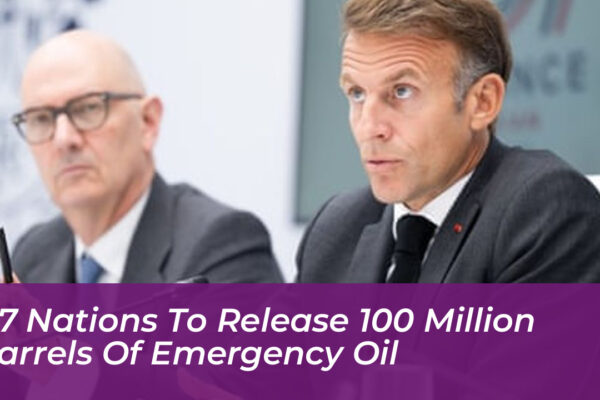
French President Emmanuel Macron stepped in to coordinate international relief efforts by convening an emergency call with G7 leaders to address global energy market stability. European officials stressed that any final agreement on fuel stock releases must incorporate assurances from Washington to avoid unilateral export bans.
Market analysts note that a 100-million-barrel combined release of crude and diesel would provide short-term relief to strained inventories. However, structural supply deficits could persist as long as key refining hubs in Eastern Europe and the Middle East remain impacted by ongoing geopolitical conflicts.