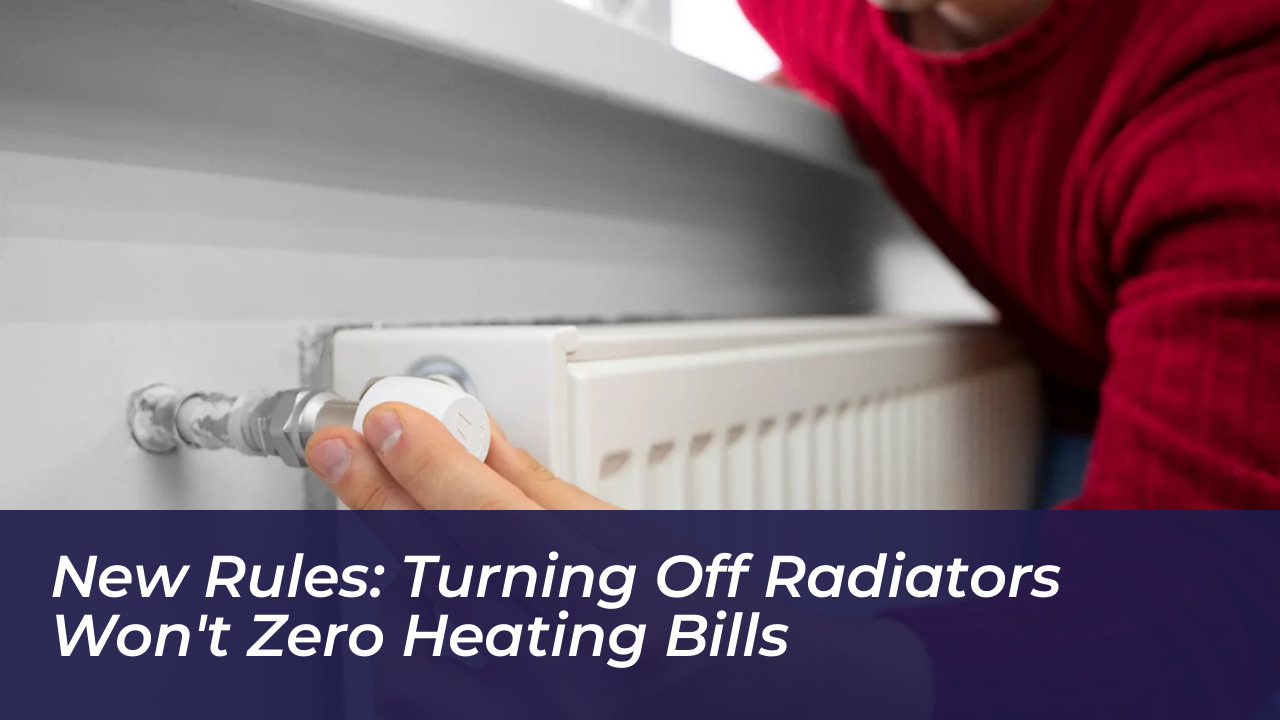
Shutting off radiators completely will no longer eliminate apartment utility charges starting January 1, 2027. Sweeping new regulations establish a mandatory baseline fee of at least 15% of a building’s variable heating costs. Even if individual valves remain shut throughout the winter, every housing unit must contribute financially to maintaining a building baseline temperature, which typically sits at 16°C (61°F). This structural overhaul ends the practice of relying on passive warmth from neighboring homes to escape thermal utility expenses.
Due to high traffic on this story, please verify you are not a bot to instantly unlock the remaining content. Takes only 5 seconds!
Verify & Continue ReadingShared multi-family properties operate on communal thermal dynamics. Interior boundaries cannot stop thermal energy from balancing across walls and floor slabs. When one household keeps valves closed, adjacent apartments burn significantly more fuel to maintain livable indoor conditions, unintentionally subsidizing the colder unit. The upcoming regulations aim to distribute building operational expenses equitably while targeting the persistent risks of structural dampness and mold growth.
The Physics of Shared Walls: Why Zero-Consumption Billing Is Ending
Energy naturally moves from warmer environments toward cooler zones through structural drywall, concrete ceilings, and internal heating riser pipes. When a resident turns off every radiator, the space does not drop to freezing levels because adjoining residences radiate heat through the shared envelope. Thermal energy naturally seeks equilibrium through common walls and ceilings. An unheated unit actively pulls warmth from neighboring homes rather than operating independently.
This dynamic creates a hidden financial burden for residents who heat their homes, as their systems work overtime to offset heat loss into adjacent, unheated rooms. Beyond the financial imbalance, unheated units present serious structural and indoor health concerns. When indoor temperatures dip below standard baseline thresholds, ambient moisture quickly condenses on cold exterior walls, accelerating toxic mold development and degrading interior air quality for the entire building complex.
Myth vs. Reality in Multi-Family Heating
A widespread misconception among apartment dwellers is that shut radiator valves equal zero resource consumption. In reality, maintaining basic building stability requires constant base-level energy expenditure across the entire architectural footprint.
- Myth: Completely switching off radiators means paying zero for heat.
- Reality: Units benefit continuously from adjacent thermal transfer and must cover the mandatory 15% baseline charge starting in 2027.
- Myth: Keeping an apartment cold only affects the person living inside it.
- Reality: Unheated rooms chill common walls, raising neighbors’ fuel bills and increasing dampness risks throughout the building envelope.
Mandatory Remote Meters and the 2026 Modernization Mandate
Traditional manual heat allocation meters, sub-meters, and water gauges will be phased out entirely to support this billing transformation. Multi-family property managers and housing associations are required to replace all older devices with certified remote-reading units by the end of 2026. This technical upgrade eliminates physical apartment inspections while enabling frequent, automated data capture.
Remote utility tracking allows management to instantly identify irregular temperature drops, baseline non-compliance, and system leaks across individual living spaces. For property managers and co-op boards, automated monitoring provides transparent building-wide data to calculate variable rates accurately and prevent localized freezing events.
Regulatory Metric Enforcement Details
- Mandatory Base Charge: Minimum 15% of building variable heating costs
- Remote Device Deadline: Complete replacement by the end of 2026
- Baseline Temperature: Typically standardized at 16°C (61°F)
- Full Implementation: Takes mandatory effect on January 1, 2027
Preparing Your Household for the 2027 Billing Transition
Navigating the shift away from zero-billing requires understanding the specific financial bylaws governing your property. Housing associations and residential cooperatives retain discretionary authority over how final totals are divided, provided they satisfy mandatory statutory minimums.
- Review Association Bylaws: Request the internal heat settlement regulations from your housing cooperative or property management office to see how fixed versus variable utility costs are allocated across the development.
- Check Meter Compliance: Verify whether your individual radiators and water pipes are outfitted with remote-reading digital sensors ahead of the end-of-2026 technical deadline.
- Maintain Constant Base Temperatures: Keep thermostatic radiator valves set to sustain a steady baseline rather than cycling units fully on and off, preventing deep thermal loss that drives up reheating costs.
Because the precise final expense depends on fuel tariffs, local utility rates, and specific property-wide energy usage, residents who previously turned their valves off entirely will see a direct adjustment on their seasonal billing statements. Check with your property management association to review the specific cost-allocation formula and remote metering schedule planned for your building complex.