


Florida emergency officials are actively positioning generators, fuel, drinking water, and flood-control equipment across North Florida as Tropical Storm Isaias strengthens in the Gulf of Mexico. The system poses a growing threat to the northern Gulf Coast, bringing potential hurricane conditions, heavy flooding, and damaging winds later in the week.
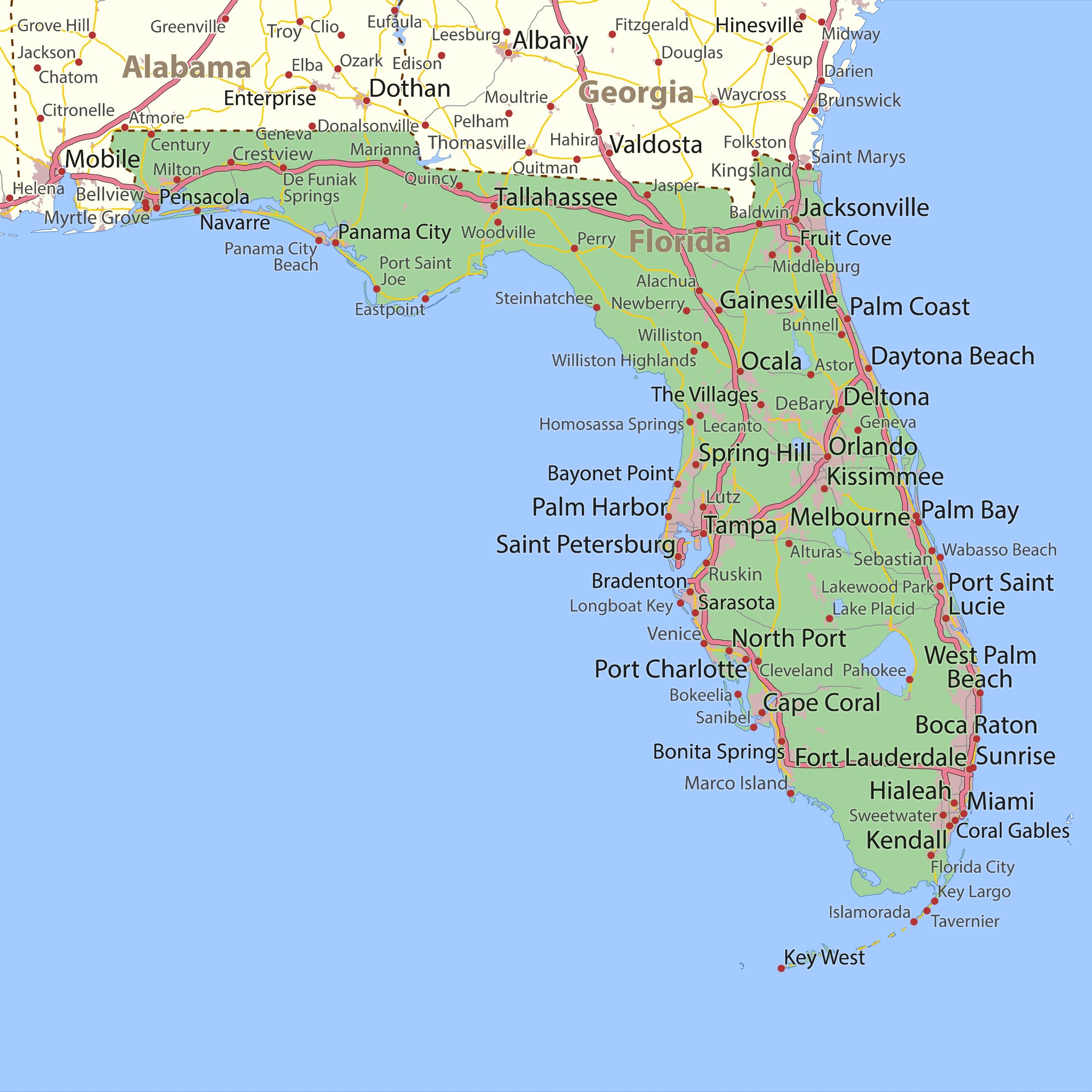
Governor Ron DeSantis signed an executive order declaring a state of emergency for 25 counties across the Panhandle and Big Bend regions. This proactive declaration allows state agencies to mobilize emergency personnel and resources well ahead of potential landfall impacts.
State of Emergency Declared for 25 Florida Counties
The emergency order signed by Governor DeSantis gives the Florida Division of Emergency Management the legal and operational framework needed to stage critical equipment before local infrastructure experiences disruption. The declaration covers a wide swath of northern and western counties:
- Baker County
- Bay County
- Calhoun County
- Columbia County
- Dixie County
- Escambia County
- Franklin County
- Gadsden County
- Gilchrist County
- Gulf County
- Hamilton County
- Holmes County
- Jackson County
- Jefferson County
- Lafayette County
- Leon County
- Liberty County
- Madison County
- Okaloosa County
- Santa Rosa County
- Suwannee County
- Taylor County
- Walton County
- Wakulla County
- Washington County
Pre-Positioning Emergency Supplies and Logistics
The Florida State Emergency Response Team is positioning vital assets in Tallahassee and the Santa Rosa area for rapid deployment. The inventory includes heavy-duty generators, emergency fuel supplies, Tiger Dams, sandbags, flood barriers, boxed water, shelf-stable meals, flood buckets, and tarps.
State and local agencies moved quickly because tropical systems can alter their speed, direction, and intensity faster than heavy equipment can move through compromised logistics networks. By moving resources early, Florida officials are effectively buying crucial response time for communities in the projected impact zone.
Storm Tracking and Forecast Projections
Tropical Storm Isaias formed over the southwestern Gulf of Mexico with maximum sustained winds near 40 to 45 mph. Forecasters at the National Hurricane Center project rapid strengthening over the coming days, with the storm expected to reach hurricane status before approaching the U.S. northern Gulf Coast.
A hurricane watch is currently in effect from Bay St. Louis, Mississippi, to Indian Pass, Florida. Additionally, a storm-surge watch covers the coastline from the mouth of the Mississippi River to Yankeetown, Florida. Tropical-storm watches are also active on both sides of the main hurricane-watch zone.
Local Preparation and Flood Mitigation Efforts
Parts of North Florida entered the storm threat with saturated ground and elevated water levels following recent heavy rainfall, heightening the risk of flash, river, and urban flooding.
In Escambia County, emergency management staff are operating around the clock, opening public sandbag locations and inspecting stormwater infrastructure. Municipal crews in Pensacola have begun clearing storm drains, lowering pond levels, securing construction sites, and removing roadside debris to mitigate potential flood damage.
“This order will allow the Florida Division of Emergency Management to stage critical preparedness resources and ensure Florida is ready to respond,” Governor Ron DeSantis stated during the initial emergency briefing.
Dangerous rip currents are already impacting Panhandle beaches, prompting the National Weather Service to issue high-rip-current warnings from Escambia County east through Franklin County.
Insurance Protections and Resident Guidance
Under Florida law, a declared state of emergency activates provisions allowing eligible residents to obtain early prescription refills. The Office of Insurance Regulation mandates that insurers, managed care organizations, and pharmacy benefit managers waive refill restrictions to authorize at least a 30-day supply for individuals residing in affected counties.
State emergency managers urge residents in potential impact zones to review their personal disaster plans, check hurricane supply kits, know their evacuation zones, and strictly avoid driving through flooded roadways as the storm approaches.