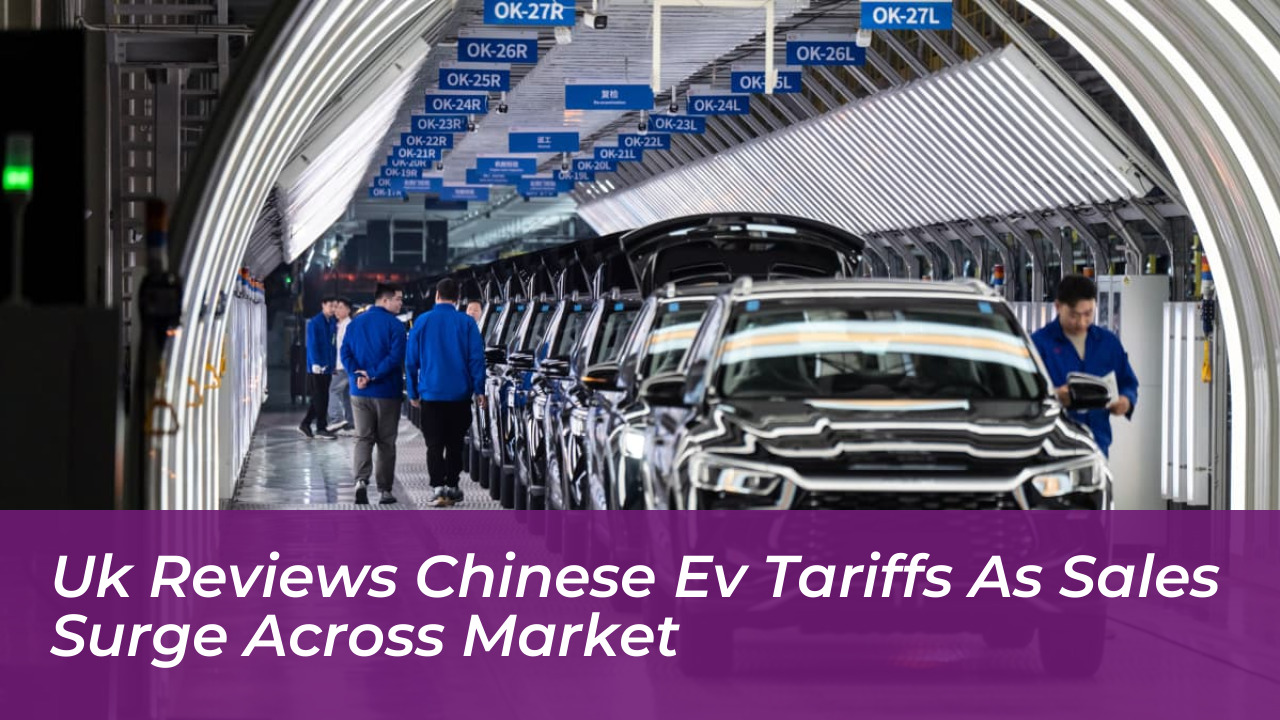


Britain is reviewing whether to impose protective tariffs on imported Chinese vehicles as Chinese automakers expand rapidly across the UK market. This potential policy shift could align London more closely with European Union trade policy. However, it risks triggering economic retaliation from Beijing and challenges domestic automotive strategies.
Currently, Chinese vehicles face only Britain’s standard 10% import duty. This stands in stark contrast to the United States, where a steep 100% tariff has effectively locked out Chinese electric vehicles (EVs). Meanwhile, the European Union applies manufacturer-specific countervailing duties of up to 35.3% on top of its standard 10% car import duty to shield its domestic manufacturing base from state-subsidized competition.
Brussels has linked UK tariff alignment to London’s ongoing bid to join the EU’s Industrial Accelerator Act. This legislative push includes the “Made in Europe” initiative, which is designed to strengthen European manufacturing and secure critical supply chains against foreign market dominance.
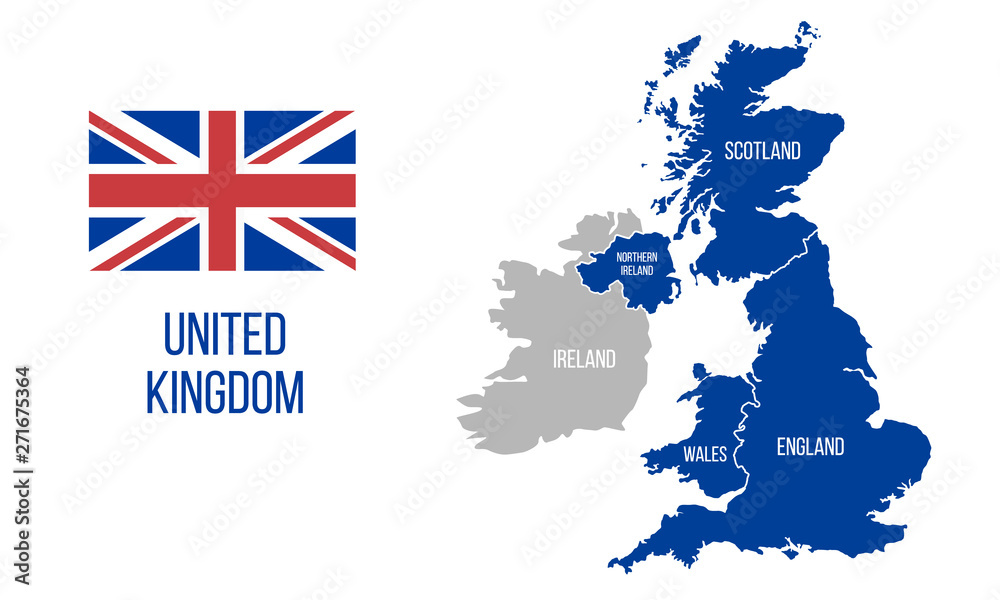
Balancing National Interests and International Pressure
UK Business Minister Jonathan Reynolds confirmed that tariffs on Chinese EVs are kept under close review. Speaking at recent political and industry events, Reynolds described the government’s position as finely balanced. He noted that different segments of the domestic automotive sector harbor conflicting priorities.
A UK government spokesperson reiterated that formal tariffs have not yet been imposed and that officials are maintaining an active dialogue with industry leaders. The spokesperson stated that they have not put tariffs on Chinese EVs and continue to engage closely with industry to ensure their approach reflects national interests.
However, pressure from Brussels remains intense. An EU official noted that London would need to raise tariffs on Chinese EVs and align more closely with European trade policy to avoid facing economic barriers under the “Made in Europe” framework. Excluding UK supply chains from these European initiatives could result in significant economic fallout, with the Society of Motor Manufacturers and Traders warning of potential losses totaling €24 billion.
Surging Sales and Changing Market Dynamics
The urgency behind the UK government’s review stems from a dramatic acceleration in market penetration by Chinese original equipment manufacturers. Data from JATO Dynamics reveals that registrations of Chinese automakers across battery-electric and hybrid powertrains surged to 519,424 between January and August. This lifted their total market share to 28.1%, up sharply from 12.9% during the same period in 2025.
Hybrid models have driven a substantial portion of this growth, supported by cost advantages, efficient supply chains, and rapid product development cycles. Individual models like the Jaecoo 7, frequently dubbed the “Temu Range Rover,” have climbed to the top of monthly sales charts, outperforming legacy competitors with competitive pricing starting around £29,000.
Industry experts emphasize that a narrow trade policy focused solely on battery-electric vehicles may fall short. Paul Hilton, head of retail at JATO Dynamics, noted that tariffs targeting only Chinese-built battery EVs would not address hybrid growth or underlying manufacturing advantages. He highlighted the need for a comprehensive strategy that includes local production incentives and strengthened charging infrastructure.
Beijing’s Response and Future Outlook
Any move by London to implement restrictive trade measures will likely draw a sharp reaction from Beijing. A spokesperson for the Chinese Embassy in London expressed serious concern regarding potential tariff adjustments. They stated that China is firmly opposed to any discriminatory practice involving tariff hikes or restrictive measures on Chinese products.
As the UK government weighs its options, policymakers face a difficult intersection. They must navigate post-Brexit trade ambitions, the protection of domestic manufacturing, and the necessity of keeping electric vehicles affordable for consumers and fleet operators as the country accelerates toward its decarbonization targets.