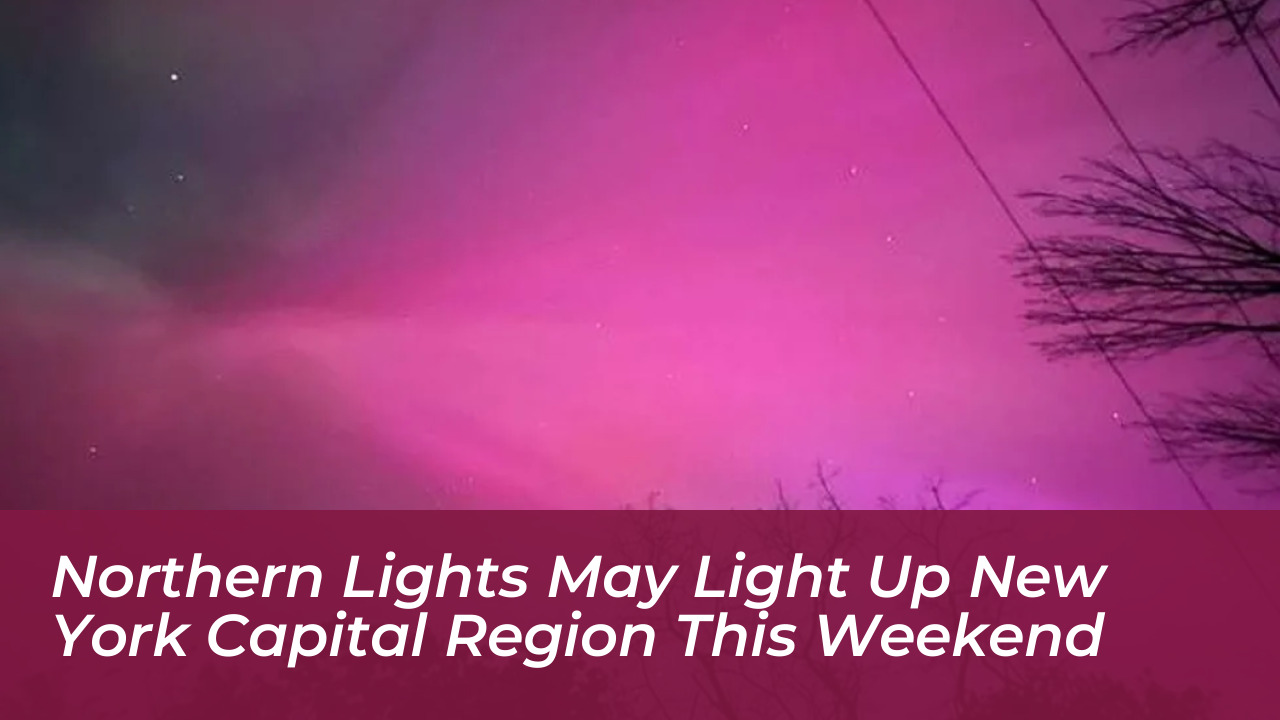

Residents across New York’s Capital Region may have a rare opportunity to catch a glimpse of the northern lights this weekend. Incoming solar activity is creating favorable conditions for auroras across parts of the United States. However, local visibility remains uncertain because the Albany area sits near the southern edge of the National Oceanic and Atmospheric Administration’s potential viewing zone.
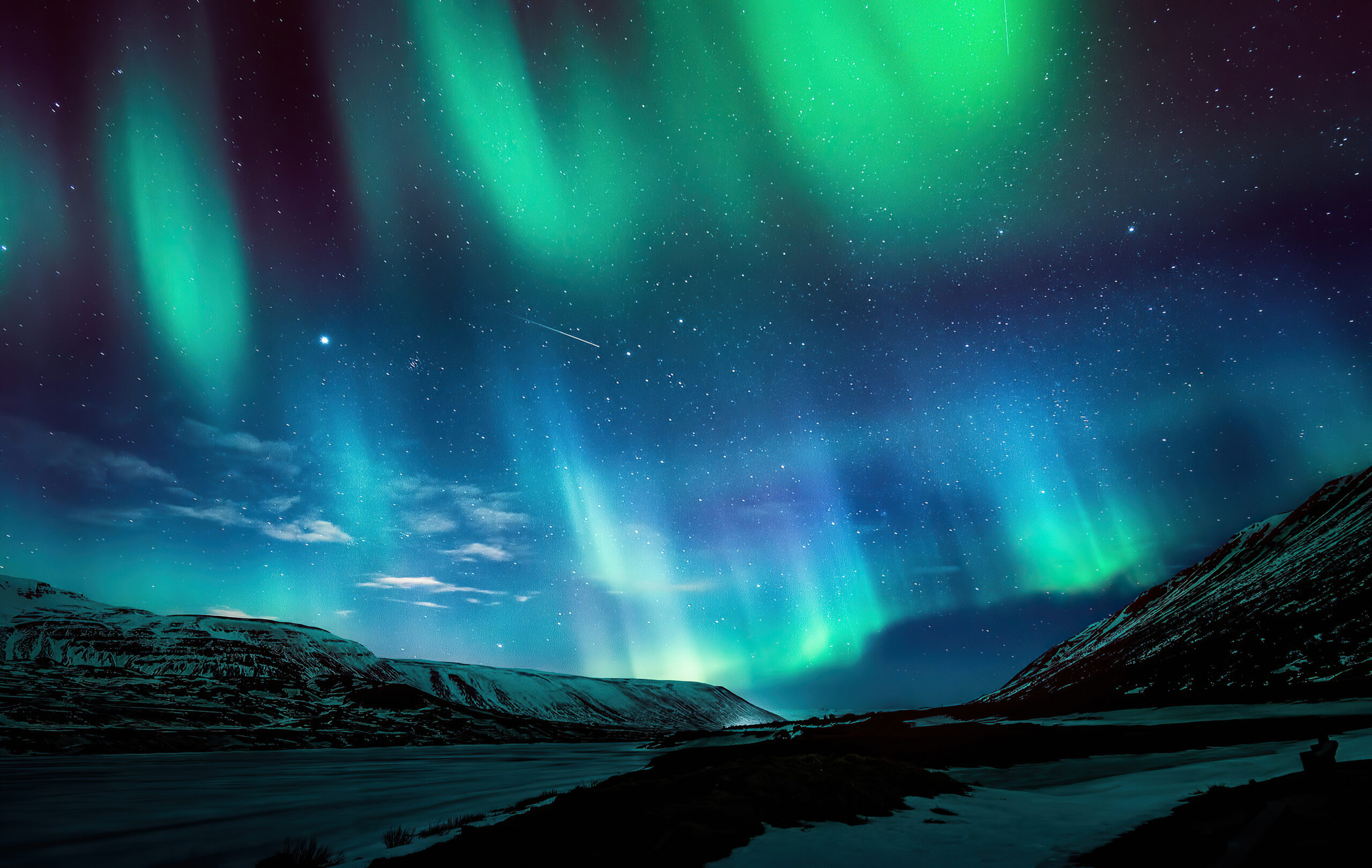
When and Where to Look for the Aurora
Space weather forecasts show the best opportunities to spot the aurora borealis will occur during specific night windows. Observers should target early Friday evening or check the skies between 11 p.m. Saturday and 2 a.m. Sunday.
Valerie Rapson, an assistant physics and astronomy professor at SUNY Oneonta, noted that aurora forecasts are unpredictable. She encourages observers to keep their expectations modest. Because this weekend’s geomagnetic storm is rated as minor to intermediate, the lights will likely be much easier to capture using a smartphone camera than with the eye.
“If people want to catch them, what they should do is step outside and face north, and they can take a long exposure picture or night mode picture with their phone and look for a little bit of red with some green on top of it in the sky,” Rapson explained.
Weather Obstacles and Viewing Tips
While solar particles will interact with Earth’s upper atmosphere to create colorful displays, local weather could pose a significant challenge. Increasing cloud cover moving in Saturday night and rain showers predicted for Sunday threaten to obstruct visibility throughout the region.
To maximize your chances of spotting or photographing the northern lights in the Capital Region, experts recommend following these basic guidelines:
- Find a dark location away from heavy city light pollution.
- Face directly toward the northern horizon.
- Use a smartphone set to night mode or a long-exposure setting, keeping the device steady on a stable surface or tripod.
- Monitor real-time updates from NOAA’s Space Weather Prediction Center.
Other Astronomical Events This Month
Skywatchers who miss the aurora due to weather or timing can look forward to another celestial event later in October. The annual Orionids meteor shower will peak during the night of October 21 into October 22. Produced by leftover debris from Halley’s Comet, the Orionids typically yield between 10 and 20 meteors per hour. However, a bright moon during the peak night may wash out some of the fainter shooting stars.
For those hoping to catch the northern lights this weekend, stepping outside late Saturday night into early Sunday morning offers the best window-provided the regional clouds hold off long enough for a clear view of the northern horizon.