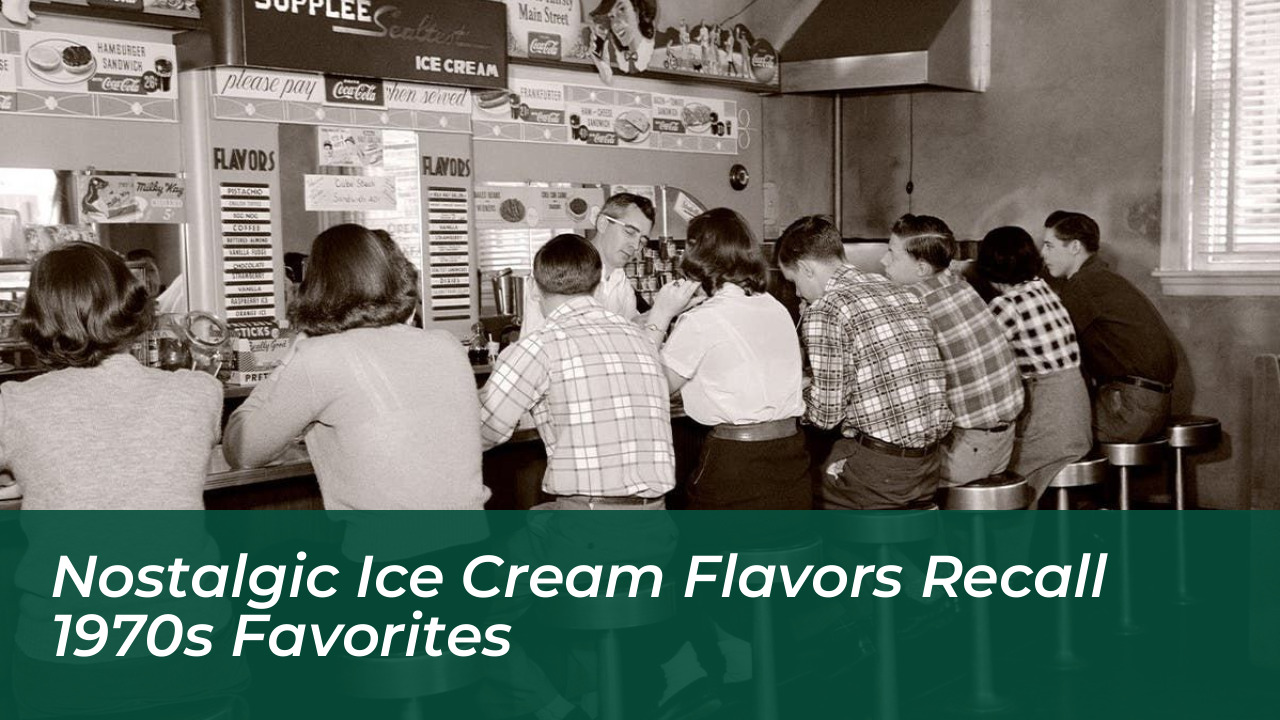

While today’s grocery store freezers and ice cream parlors are heavily dominated by modern staples like cookies and cream, salted caramel, and cookie dough, frozen dessert culture looked quite different several decades ago. The 1970s introduced and popularized unique flavor profiles that ranged from earthy, nutty varieties to vividly colored, candy-inspired concoctions. Today, many of these iconic frozen treats have become difficult to find, sparking a wave of nostalgia among fans who remember enjoying them during childhood.
Food historians and dessert enthusiasts often look back at the decade as a golden era for distinct ice cream innovations. Several standout varieties defined the American palate during the ’70s before gradually fading from mainstream commercial freezer aisles, leaving enthusiasts searching for modern substitutes or hoping for a commercial revival.
Butter Brickle: The Toffee-Infused Masterpiece
Butter Brickle ice cream stands out as one of the most widely remembered favorites of the era. The flavor was originally inspired by a butterscotch candy created in Omaha, Nebraska, in the 1920s by the John G. Woodward Company. By the 1970s, the combination of rich butterscotch-flavored ice cream and crunchy toffee pieces had become a national favorite, manufactured by companies like The Fenn Bros. and Leaf Inc.
Fans frequently reminisce about the unique crunchy texture provided by the toffee bits. Although it remains a regional specialty in parts of Nebraska, finding traditional Butter Brickle in standard national grocery stores today is a rarity, leaving many lifelong fans wishing for a widespread commercial comeback.
Rum Raisin: A Boozy Classic From White House Tables
Rum raisin ice cream features a sophisticated blend of vanilla ice cream loaded with rum-soaked raisins. While the flavor dates back to the 1930s, it experienced a massive surge in popularity during the 1970s across American and British ice cream shops. Its cultural footprint was substantial enough to reach the White House, where President Richard Nixon reportedly served it regularly for dessert.
Though specialty brands like Häagen-Dazs and regional grocers still stock variations of rum raisin, it has largely vanished from everyday commercial counters. Modern consumers often find it divisive due to the inclusion of raisins, but dedicated enthusiasts consider the warm, sweet flavor profile an irreplaceable classic.
Pink Bubblegum: A Colorful Childhood Novelty
Introduced widely by Baskin-Robbins in 1970, Pink Bubblegum ice cream was designed to capture the vibrant energy of youth culture. The treat consisted of pink-dyed vanilla ice cream speckled with small pieces of real, chewy bubblegum. It became an instant hit with children who enjoyed the interactive experience of eating the ice cream while saving the gum pieces for afterward.
Baskin-Robbins occasionally brings back Pink Bubblegum for limited-run nostalgic promotions, but its absence from everyday menus keeps it firmly in the category of sought-after retro memories.
Heavenly: The Precursor to Rocky Road
Before it became widely known as an ice cream flavor, “heavenly” was a popular fruit salad style featuring whipped cream, marshmallows, candied fruit, and nuts. In 1969, Sealtest launched its Heavenly ice cream line, adapting the concept into a frozen treat featuring marshmallows, butter almond, and chocolate chips.
While the flavor shared similarities with modern rocky road, its distinct blend helped define late-1960s and 1970s freezer options. When Sealtest discontinued its ice cream line later in the century, Heavenly disappeared with it. Today, fans looking for a similar flavor profile often turn to alternatives like Ben & Jerry’s Phish Food to satisfy their craving for marshmallow and chocolate chunks.
Maple Walnut: A New England Tradition
Maple-flavored ice cream has deep historical roots in the northeastern United States, where sugar maple trees and native walnuts are abundant. By the 1970s, maple walnut had become a staple flavor found across New England ice cream parlors and national grocery stores alike.
Over the decades, changing consumer preferences caused maple walnut to fade from many standard freezer cases. While it can still be found in specialty local creameries or more commonly across the border in Canada, many adults today share memories of enjoying the nutty, earthy sweetness alongside their grandparents.
The Lasting Power of Food Nostalgia
The renewed interest in these vintage flavors highlights the profound emotional connection between food and memory. Whether driven by the rich toffee crunch of Butter Brickle or the sweet novelty of Pink Bubblegum, these classic varieties represent a distinct chapter in culinary history. As modern food trends continue to evolve, the collective yearning for these forgotten tastes proves that some flavors are simply too good to stay melted away forever.
Frequently Asked Questions
What caused 1970s ice cream flavors like Butter Brickle to disappear?
Many classic flavors faded as original candy manufacturers were acquired by larger conglomerates, and changing consumer tastes led grocery stores to stock trendier options like cookies and cream and cookie dough.
Where can I still find Butter Brickle ice cream today?
While national brands rarely produce it, Butter Brickle remains a proud regional tradition in Nebraska and can occasionally be found at specialty or historical ice cream parlors.
Who originally invented rum raisin ice cream?
Rum raisin dates back to the 1930s, gaining major popularity in the 1970s. It became famous enough to be served at the White House during Richard Nixon’s presidency.
Is Sealtest Heavenly ice cream still manufactured?
No, Sealtest discontinued its ice cream product line in the late 20th century. However, fans often look to marshmallow-and-chocolate alternatives like Rocky Road or Phish Food for similar tastes.
Why did Baskin-Robbins Pink Bubblegum ice cream become so popular?
Released in 1970, it combined brightly colored pink ice cream with actual pieces of chewy bubblegum, offering a playful and interactive dessert experience for children.