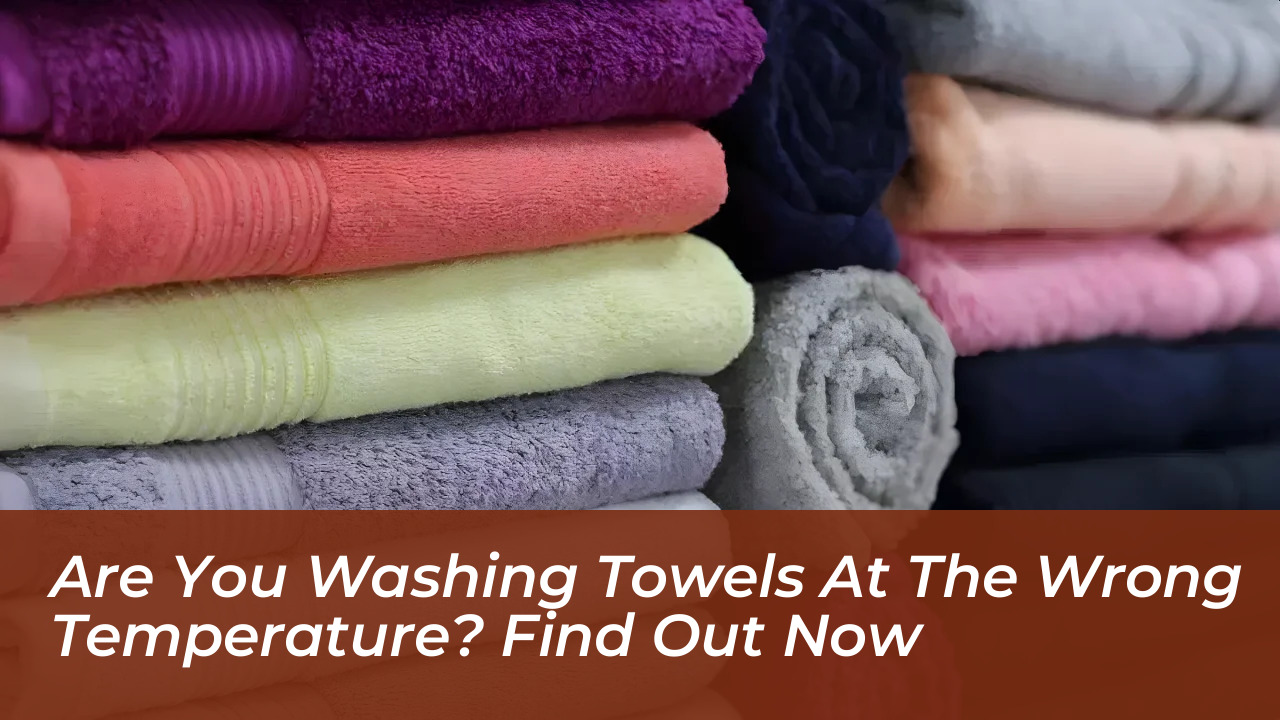

Choosing the right wash cycle and water temperature plays a crucial role in household cleaning, yet many people underestimate how to properly care for heavy-fabric items. A long-standing misconception suggests that higher temperatures are always better for cleanliness. However, experts warn that washing everyday items incorrectly either ruins fabrics through excessive heat or fails to eliminate harmful bacteria at lower settings.
When it comes to bathroom linens, selecting the proper washing machine setting requires balancing fabric longevity, energy efficiency, and strict hygiene standards. Modern washing machines offer a variety of cycles designed for specific materials, but utilizing them correctly is the key to maintaining spotless, fresh-smelling laundry.
The Hidden Risks of Low-Temperature Towel Washing
Towels absorb significant amounts of moisture, body oils, and skin cells during everyday use. Because of this constant exposure, they rank among the fabrics most prone to accumulating bacteria, mold spores, and trapped residues. Keeping them properly hygienic depends heavily on selecting an adequate water temperature.
Washing towels at temperatures below 60°C (140°F)-such as setting the dial to 30°C (86°F) or 40°C (104°F)-can sometimes fall short of total sanitization. At lower ranges like 30°C, many common household bacteria are not fully eliminated. Over time, incomplete germ removal leads to stubborn musty odors, reduced freshness, and potential skin irritation for household members who use the linens daily.
According to Professor Sally Bloomfield from the International Scientific Forum on Home Hygiene, towels ideally need a weekly wash at 60°C, or a 40°C minimum when paired with a powerful bleach-based powder or oxygen booster. While 40°C serves as an effective, energy-conscious middle ground for everyday refreshes, true deep-clean hygiene loads often demand the higher heat setting to eradicate trapped microorganisms effectively.
Best Practices for Washing and Maintaining Bath Towels
Achieving a truly clean load of bath linens involves more than just turning the temperature dial. Proper sorting, detergent choice, and machine loading significantly influence the final result.
- Wash Separately: Avoid mixing bath towels with everyday clothing. Washing them alone reduces the risk of fabric damage, pulls, and color bleeding.
- Separate Colors: Keep white towels separate from colored ones to prevent unwanted dye transfer and keep whites bright.
- Avoid Overloading: Do not pack the drum too tightly. Industry experts recommend a maximum load of about seven standard bath towels in an average-sized machine to ensure proper water circulation and rinsing.
- Smart Additives: Incorporating baking soda or an oxygen-bleach booster can help maintain fabric softness, lift stubborn residues, and prevent limescale buildup in hard-water areas.
Striking the Right Balance Between Hygiene and Fabric Care
While a hot 60°C cycle delivers superior germ elimination, running every single load at high temperatures drives up electricity bills and wears down cotton fibers prematurely. Conversely, relying strictly on a 30°C cold wash saves energy but may compromise hygiene over extended periods.
For most households, alternating between a standard 40°C wash for regular maintenance and reserving 60°C for genuine hygiene loads-such as towels used during illness or heavy gym sessions-creates a reliable routine. Always check the manufacturer care label attached to the fabric before running a cycle, as exceeding the maximum recommended temperature can cause permanent shrinkage, fiber degradation, and loss of plush softness.