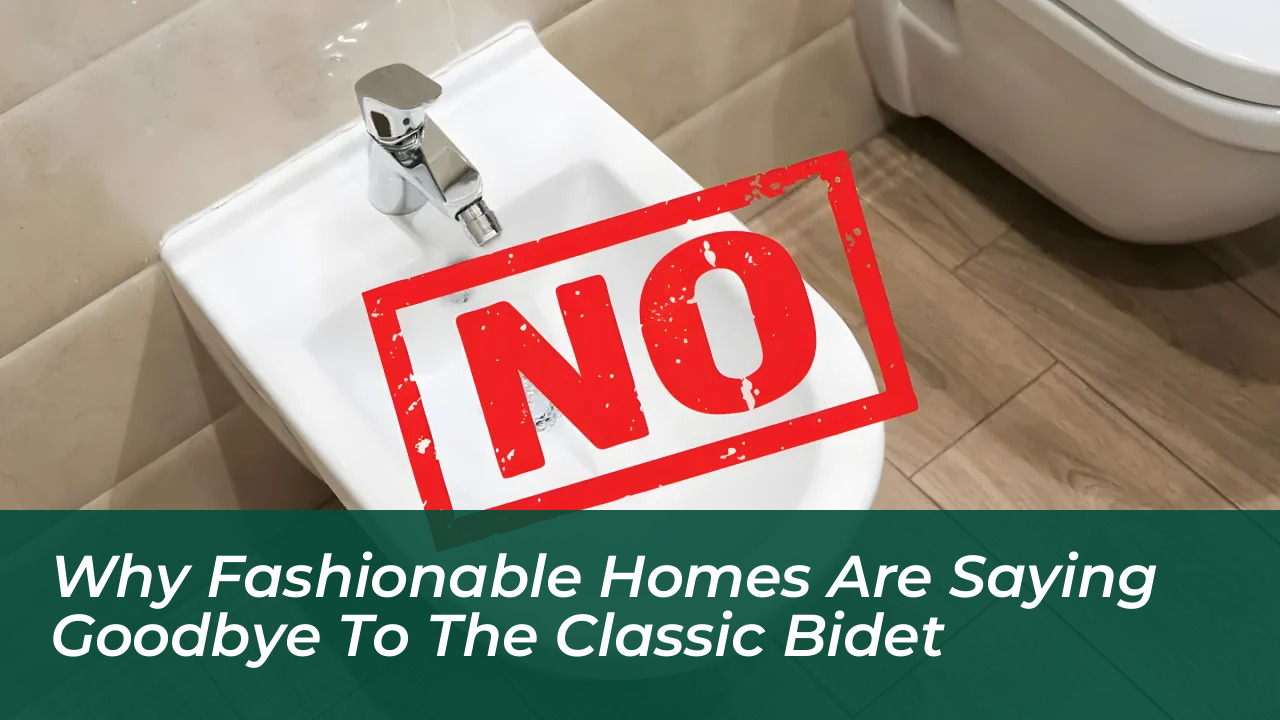

The classic standalone bidet is quietly leaving modern homes, making way for a more practical, elegant bathroom suited to contemporary living. For decades, the porcelain fixture was viewed as a European staple of personal hygiene, but a significant shift is underway in interior design. More and more fashionable homes are eliminating the traditional bidet, opting instead for a trend that combines sleek minimalism, everyday practicality, and sustainability.
In recent years, the standalone bidet began to be considered outdated, bulky, and difficult to integrate into smaller residential floor plans. As modern homeowners prioritize clean lines and maximized space, architects and interior designers increasingly agree that the traditional bidet simply no longer fits.
This design evolution does not mean giving up on hygiene. Instead, it represents a transition toward discreet, highly functional alternatives that introduce a sophisticated touch to the bathroom without cluttering the layout.
The Era-Defining Shift in Bathroom Design
Historically, the bidet flourished as a standard fixture in countries like France, Italy, and Spain. However, urban real estate demands and changing aesthetic preferences have transformed how we conceptualize private spaces. Traditional standalone units take up valuable square footage that could otherwise house washing machines, accent cabinetry, or enlarged storage areas.
By removing the bulky secondary porcelain basin, designers can completely open up the room. This shift reflects a broader philosophy: the modern bathroom is no longer just a utilitarian chamber, but an aesthetic, adaptable, and sustainable sanctuary.
The Practical and Elegant Alternative Taking Over
Replacing the bulky traditional fixture is a much more streamlined solution that has gained immense popularity: the bidet sprayer, or hand shower. Installed discreetly next to the toilet, this compact system delivers the exact same personal hygiene benefits as a traditional bidet while utilizing virtually zero extra floor space.
Commonly utilized in regions like Japan, France, and the United Kingdom, handheld sprayers and retrofit attachments have surged in popularity due to several distinct advantages:
- Easy Installation: They do not require major plumbing overhauls, expensive structural reconstruction, or messy bathroom renovations.
- Minimalist Design: They integrate seamlessly into both compact powder rooms and expansive master ensuites without disrupting visual flow.
- Greater Convenience: Users can easily operate them directly from the toilet seat without awkward shifting or post-use movement.
- Resource Efficiency: They deliver noticeable savings on both water consumption and toilet paper usage, making them a heavily favored sustainable option.
, these streamlined systems offer remarkable accessibility benefits. They are ideal for older adults and individuals with reduced mobility, successfully eliminating awkward postures and simplifying daily routines with effortless control.
More Space, More Functionality
The ongoing trend of eliminating the standalone bidet highlights a growing demand for optimized, multi-functional spaces. In traditional layouts, square footage allocated to a bidet was entirely single-purpose. By clearing that footprint, homeowners gain the flexibility to integrate custom accent furniture, high-end laundry appliances, or expansive linen storage.
Design experts emphasize that this movement marks a permanent milestone in home architecture. As consumer values shift toward refined aesthetics and streamlined utility, the traditional bidet is fading into the background, replaced by smart, space-saving innovations that prove true elegance lies in simplicity.