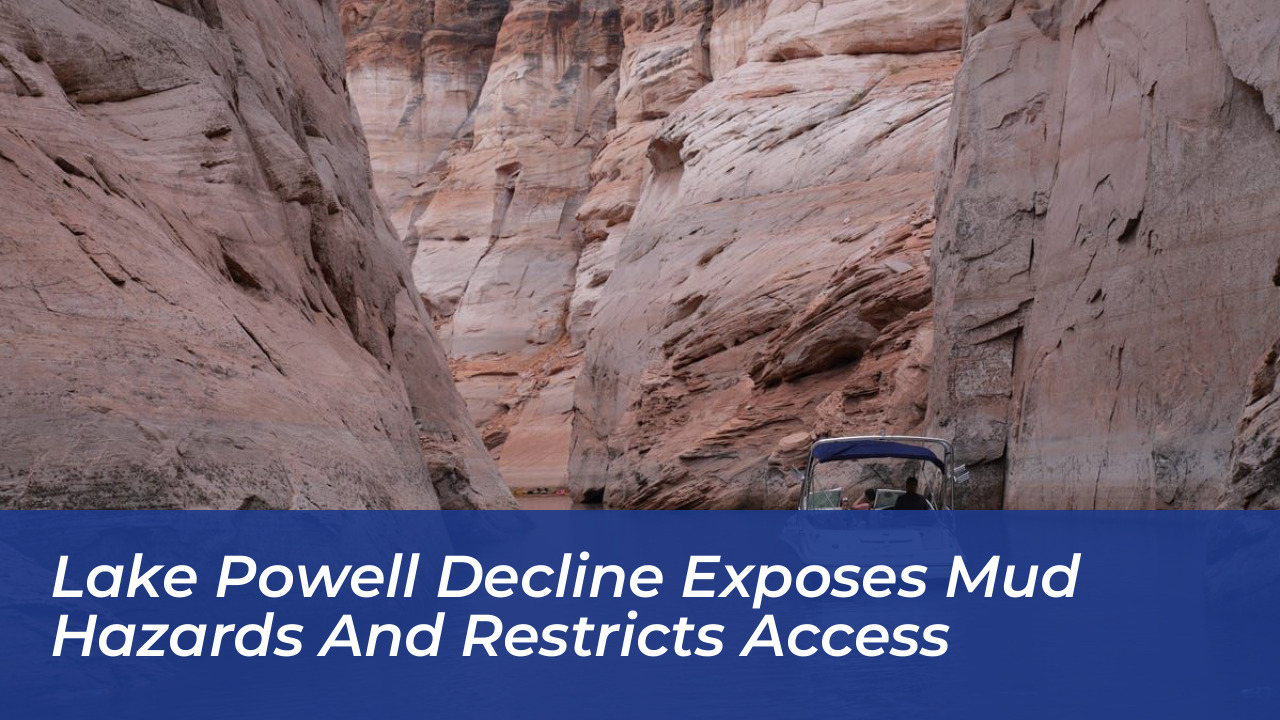

Severe water shortages at Lake Powell along the Utah-Arizona border are exposing unstable sediment, restricting recreational access, and raising urgent concerns about the reservoir’s long-term capacity. As of October 16, 2026, the reservoir held approximately 22% of its total capacity, according to USA TODAY. Scientists warn that the retreating water is accelerating erosion, creating hazardous mud structures, and threatening the structural integrity of the hydroelectric infrastructure at Glen Canyon Dam.
The reservoir’s dramatic decline has also severely disrupted access to the iconic Rainbow Bridge National Monument, revealed previously submerged geological formations, and rendered numerous traditional boat ramps unusable. According to National Geographic reports from October 14, September water levels fell three feet below the previous record low set in 2023. Lake Powell plays a vital role in the American West, storing Colorado River water used by millions of people for drinking and irrigation while supporting carbon-free hydroelectric power generation.
Mud Hazards and Reappearing Canyons
The drastic drop in water levels has transformed sections of the former lakebed into treacherous, unstable landscapes. Geologists studying remote areas like Cataract Canyon describe traversing an unstable composite of loose sand, fine silt, cobblestone, mudstone, and clay. Unlike the hardened sandstone cliffs framing the desert canyons, these new sediment shelves are highly volatile.
As the Colorado River carves through an enormous mud shelf-reaching up to 100 feet deep in certain stretches-it has created unusual and dangerous formations:
- Mud Rapids and Mudbergs: Hardened clay and gnarled mud structures rise from the river channel, easily snagging boat propellers and creating treacherous whitewater.
- Mud Volcanos and Slumps: Decaying vegetation buried within sediment layers generates methane, forming small mud volcanoes, while massive mud avalanches (slumps) regularly collapse into the river.
- Erosion Risks: The mobilization of an estimated 1.8 million acre-feet of accumulated sediment threatens to clog hydroelectric infrastructure and accelerate total storage loss.
Impacts on Recreation and Tourism
The receding waterline has significantly impacted tourism and local economies in gateway communities like Page, Arizona. Businesses that rely on water sports and houseboating have experienced measurable declines in customer traffic. Maxwell Lapekas, owner of Lake Powell Paddle Boards and Kayaks in Page, noted a steep drop in daily rentals as a growing water crisis narrative takes hold.
Misperceptions regarding whether the lake still contains water have deterred travelers, despite the massive man-made recreation area remaining officially open for boating, kayaking, and canyon tours. However, practical hurdles remain evident:
- Boat Ramp Closures: Many traditional launch ramps no longer reach the receding water’s edge, creating bottlenecks at auxiliary ramps like the Stateline Auxiliary Ramp.
- Rainbow Bridge Access: Public access to Rainbow Bridge National Monument has been heavily curtailed. National Park Service floating docks have been removed, leaving visitors to navigate mucky water, quicksand, or a strenuous 14-mile hike across Navajo Nation land.
- Extended Routes: Boaters must travel longer, slower distances to access favorite fishing spots and canyons, such as Labyrinth Canyon.
Management Debates and Future Outlook
These shifting environmental realities have reignited complex debates among policymakers, scientists, and environmental advocates regarding the long-term viability of Glen Canyon Dam and Lake Powell. The reservoir was originally designed to store excess spring runoff from the Colorado River during wet years and provide a reliable buffer during dry cycles.
However, long-term climate shifts, persistent drought, and upstream overconsumption have fundamentally altered the equation. The Glen Canyon Institute and other environmental organizations advocate for bypassing the dam, draining the reservoir, and returning the Colorado River to a free-flowing state to restore functional ecosystems like Cathedral in the Desert. Conversely, water managers, agricultural representatives, and federal officials emphasize the absolute necessity of maintaining storage to meet municipal water demands and power regional grids.
As federal agencies continue to evaluate short-term stopgap measures and water-sharing cuts among lower basin states, the immediate future of Lake Powell remains tied to winter snowpack totals and long-term climate trends. Whether the region faces continued decline or temporary relief, the transformed landscape of Glen Canyon offers a striking look at human infrastructure intersecting with changing environmental realities.