

As outdoor temperatures drop during autumn and winter, bedroom windows frequently bear the brunt of morning damp. Every sleeper naturally exhales moisture throughout the night, quickly saturating unventilated rooms. Left unaddressed, persistent water droplets can drench window sills, ruin paintwork, and create fertile conditions for toxic mould and mildew to spread. While mechanical dehumidifiers provide an active extraction method, they carry significant upfront purchase costs and ongoing running expenses. Fortunately, opening your windows wide for just five to ten minutes every morning clears trapped moisture, neutralising stubborn window condensation without relying on pricey electric equipment.
This rapid burst of cross-ventilation flushes out saturated indoor air before damp can soak into timber frames or plasterwork. A structured morning ventilation habit offers an immediate, cost-free alternative that prevents surface damp before water pools on glass panes or windowsills.
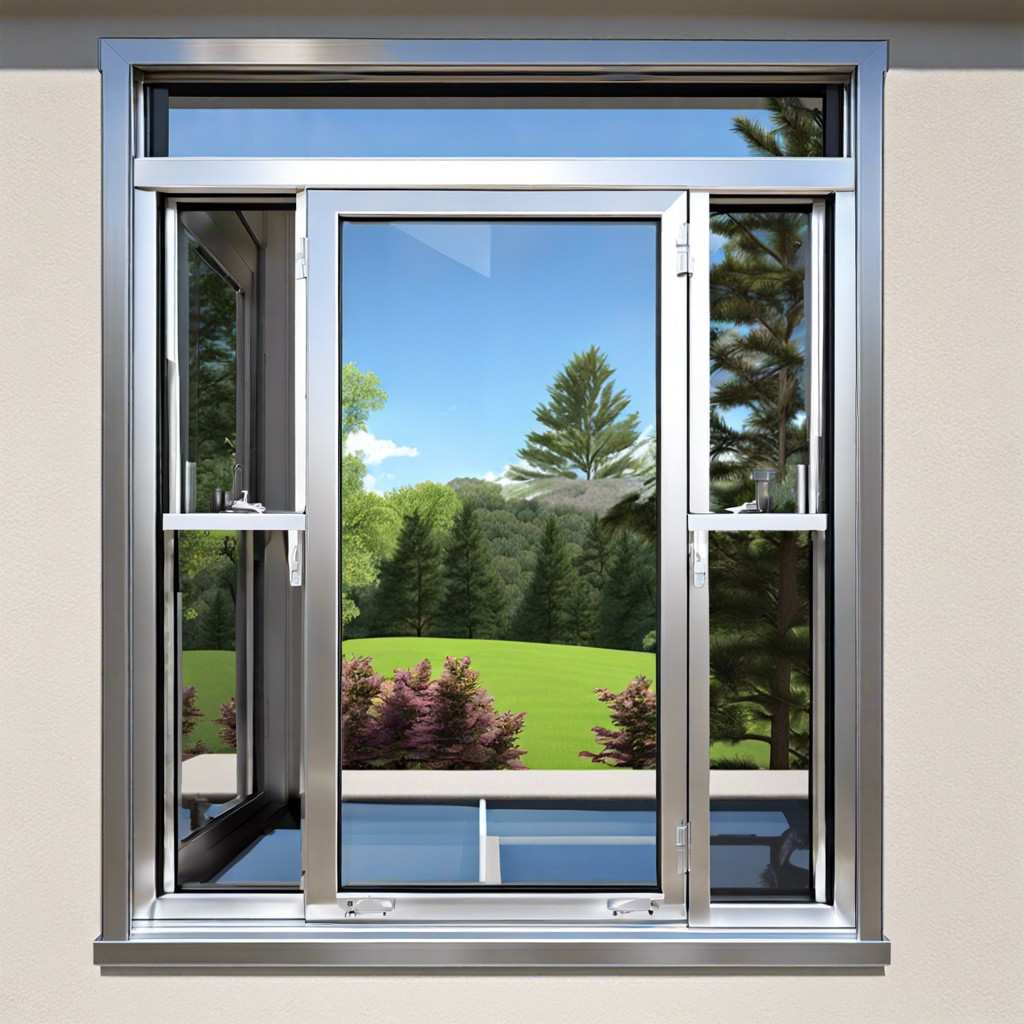
The Science of Morning Vapour and the Dew Point
Understanding damp formation requires a look at indoor humidity physics. Warm room air holds substantially more water vapour than cold air, and domestic routines like showering, cooking, and standard breathing continuously elevate moisture content. When heated, moisture-heavy air contacts freezing glass panes, its temperature plummets until it reaches 100% moisture saturation-a thermal threshold known as the dew point.
Once air hits this limit, it sheds its water directly onto the coldest nearby surface, mimicking dawn dew on a lawn or condensation across vehicle windscreens. Specialist window fitters note that interior glass damp directly indicates insufficient airflow rather than structural window failure.
“It means there’s too much moisture in the room and not enough ventilation. Moisture needs somewhere to escape. The more you let fresh air circulate, the less water ends up on your windows.” – Which? Trusted Traders
How to Clear Moisture in Three Simple Steps
Eliminating trapped condensation does not require draining heat from your property all day. A strategic morning purge effectively resets indoor air quality while protecting structural finishes.
- Open bedroom windows wide: Keep casements fully open for five to ten minutes right after getting up to flush out overnight exhalations.
- Maintain internal airflow: Leave interior doors open across the home wherever feasible to balance air moisture and enable drier circulation throughout living spaces.
- Engage trickle vents permanently: Keep integrated window frame vents open day and night, particularly in sleeping quarters. Modern A-rated windows include these vents to allow a small, controlled flow of fresh air, helping moisture escape without chilling the room.
Managing Ventilation vs. Heat Retention
A widespread misconception is that opening windows during winter wastes expensive central heating. In reality, a quick ten-minute blast replaces warm, moisture-laden air with crisp, dry outdoor air without cooling down heavy internal masonry or radiators.
Because dry air requires less energy to reheat than damp air, clearing trapped humidity can make spaces feel fresher while protecting surfaces from progressive moisture damage. Managing indoor moisture is a simple daily habit that shields your home from expensive repairs.
Comparing Popular Condensation Hacks
Many homeowners experiment with quick fixes or household items to control moisture before investing in hardware solutions. While some methods offer mild relief, others fall short.
- Wiping with Cloths: Excellent for immediate surface removal, but acts only as a temporary fix if underlying room humidity remains high.
- Dish Soap Barrier: Spreading a thin layer of washing-up liquid stops water from beading by breaking surface tension, though it requires frequent reapplication.
- Natural Desiccants: Placing bowls of rice or salt on window sills absorbs small amounts of localised moisture, though their capacity is limited compared to active room ventilation.
Small adjustments to daily window ventilation deliver massive improvements over passive damp build-up. By pairing a five-minute morning fresh air routine with open internal doors and active trickle vents, households can maintain clear glass and a healthier living environment all winter long.