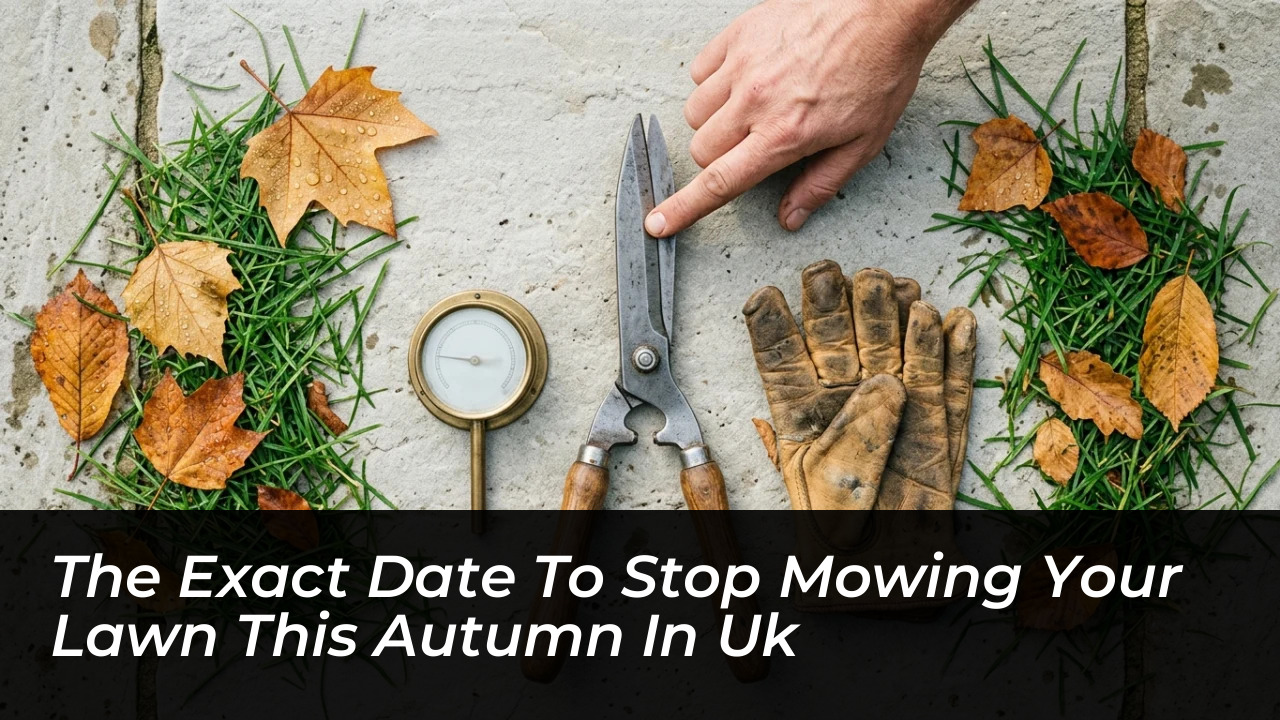

Homeowners across the United Kingdom face a recurring autumn dilemma: guessing the exact moment to pack away the lawnmower for the winter. While falling leaves, damp turf, and chilly mornings tempt many to halt yard work early, garden specialists emphasize that timing your final cut requires watching biological markers rather than following a rigid calendar date. Understanding how regional climates and dropping temperatures dictate turf dormancy is essential for protecting your garden before the first hard frost arrives.
According to Craig Wilson, gardening specialist at Gardeners Dream, temperature dictates maintenance far more accurately than the calendar. The critical physiological shift happens when average daily temperatures consistently sink to seven degrees Celsius or lower. Once conditions cross below this threshold, standard lawn grasses significantly decelerate their development, entering a semi-dormant state throughout the harsh winter months until vigorous growth resumes in March.
The 7-Degree Rule: Regional Thresholds Across the UK
Extended autumn warmth frequently stretches the maintenance window deeper into late autumn across the home nations. While milder forecasts push regional cut-off thresholds as late as early December, garden specialists advise completing the task prior to late November to avoid damaging turf before sub-zero temperatures hit.
The recommended cut-off windows vary slightly by geographic region based on local weather patterns:
- Scotland: Late November (Absolute latest: 4 December)
- England: Late November (Absolute latest: 8 December)
- Wales: Late November (Absolute latest: 8 December)
- Northern Ireland: Late November (Absolute latest: 8 December)
Even though temperatures in southern and central zones may hover above the threshold into early December, relying entirely on long-range forecasts remains risky. Sudden cold snaps can quickly drop ground temperatures below freezing overnight, turning active grass blades into brittle targets.
Myth-Busting: Why Scalping the Lawn Before Winter Fails
A widespread misconception among garden owners is that cutting grass extremely short in autumn eliminates the need to mow during unpredictable winter breaks. In reality, closely cropped turf strips the plant of essential solar insulation, leaving tender root crowns exposed to frost heave and freezing winds.
Lawn care brand Mammotion highlights that the overarching objective of your final cut is outright protection rather than aesthetic neatness. Leaving the sward slightly longer shields the underlying soil from rapid freeze-thaw cycles. Maintain your mower’s blade settings to leave turf roughly four to five centimetres tall. This extra height acts as a thermal blanket over the root zone and safeguards the delicate crowns of the grass plants.

Essential Post-Cut Winter Preparation Steps
Executing the final trim is only half the battle when prepping turf for freezing downpours. Leaving compacted soil beneath damp, chilly skies frequently leads to standing water and root rot. To ensure your lawn survives the winter intact, follow these vital steps:
- Monitor local weather patterns: Track night-time lows starting in mid-October to anticipate the season’s initial heavy frost.
- Raise mower deck blades: Set the cutting height between four and five centimetres to ensure structural blade protection.
- Mow during dry conditions: Never cut sodden grass, which can tear roots, smear mud, and compact the soil beneath heavy mower wheels.
- Aerate thoroughly: Pierce the lawn using a garden fork to relieve winter compaction and allow excess rainfall to drain away from the surface.
Wilson notes that aerating right after that final trim allows heavy seasonal moisture to disperse efficiently. Creating simple drainage holes across water-prone zones stops surface waterlogging before prolonged sub-zero weather sets in. Check your garden fork and raise your mower deck before the final seasonal trim, and keep a close eye on regional frost forecasts as late November approaches.
Frequently Asked Questions About Autumn Mowing
What month should you stop mowing your lawn in the fall?
There is no universal month, but UK homeowners should generally plan their final cut between late October and late November. Stop when average daily temperatures drop consistently below seven degrees Celsius and active blade growth ceases.
Should grass be short or long going into winter?
Neither extreme is ideal. Keep your final cut between four and five centimetres tall. Scalping exposes roots to frost, while leaving grass overly long causes it to mat under wet leaves and snow, inviting fungal diseases.
Can you mow your lawn after the first frost?
Yes, if the grass is still actively growing and conditions are dry. However, never mow frost-covered, snow-covered, or frozen grass, as brittle blades will snap and tear under the mower wheels.
Should you mulch or bag fallen leaves during the final mow?
Light, dry leaves can be finely mulched into the turf to return valuable organic matter to the soil. However, thick, wet layers of leaves must be raked or bagged to prevent smothering the grass canopy.
How do I test if my lawn has stopped growing?
Observe the turf for 10 to 14 days after a trim. If the blades show little to no vertical height gain and cooler weather has settled in, the grass has entered dormancy and your mowing season is complete.