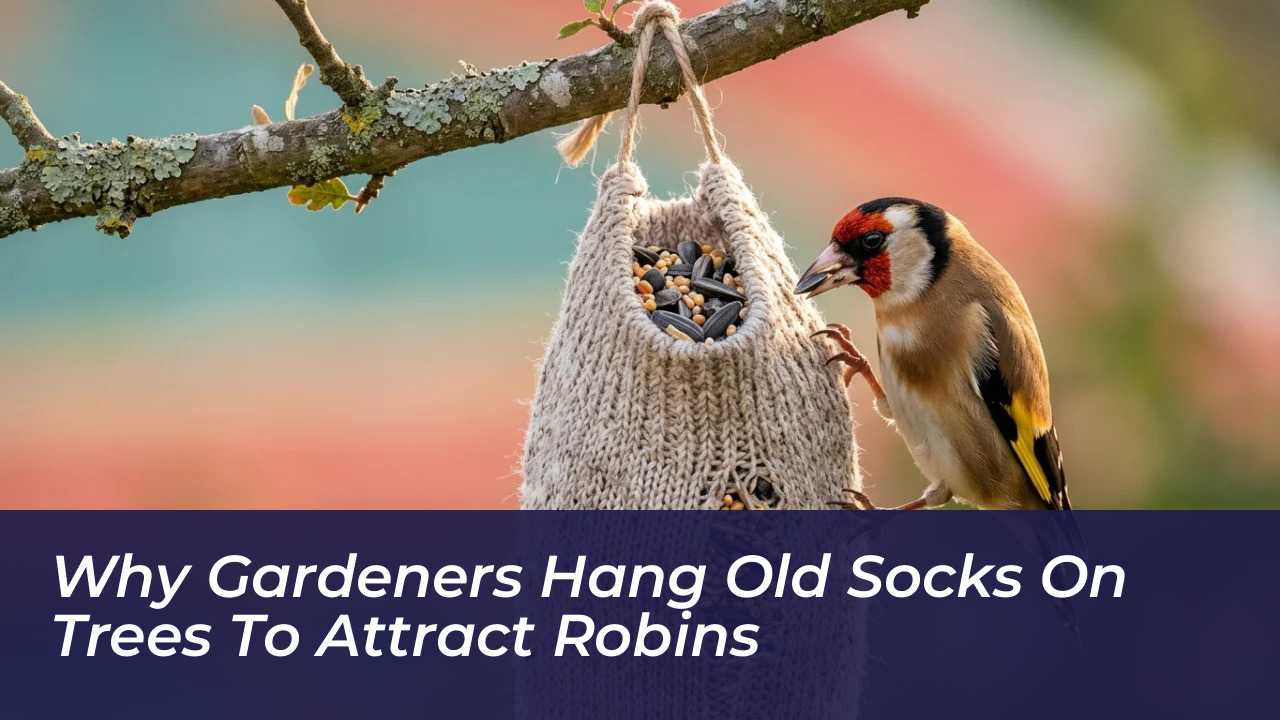

If you have ever stared into your laundry basket and wondered what to do with a pile of lonely, mismatched socks, you are not alone. Across the country, clever horticulturalists and backyard bird enthusiasts are pulling those forgotten textiles out of the drawer and taking them straight out to the garden. Far from being garbage, an old cotton or knit sock makes an ingenious, low-cost bird feeder that naturally attracts small, nimble garden visitors like robins, goldfinches, and siskins.
Horticultural specialists at Gardening Know How and other wildlife advocates suggest repurposing odd socks to mimic commercial finch feeders. By filling everyday household items with nutrient-dense seeds, you can transform your backyard into a bustling wildlife sanctuary without spending a fortune on expensive plastic or metal retail dispensers.
How the Sock Feeder Technique Works
Commercial mesh feeders are designed specifically for finches and smaller garden birds. They rely on a fine, breathable fabric that holds tiny seeds like nyjer or sunflower hearts while allowing birds to peck through the exterior. A standard cotton or knit sock mirrors this design perfectly. It gives tiny claws a secure, textured fabric to cling onto, even in breezy weather.
Many gardeners assume expensive, rigid plastic or metal dispensers are necessary to attract wild birds. In reality, heavy-duty commercial feeders can often intimidate smaller birds. They can also allow larger, aggressive species and squirrels to completely dominate the supply. The soft texture of a repurposed sock naturally favors lighter, nimble species such as siskins, redpolls, and finches over heavier competitors.
Step-by-Step: Making a Sock Bird Feeder
Assembling a homemade sock feeder takes mere minutes. It requires no specialized equipment, sewing, or DIY experience. Follow these simple steps to set up your own station:
- Select a clean sock: Choose an odd or repurposed sock made from a breathable natural material. Ensure it is thoroughly washed and entirely free of detergent residues.
- Fill with appropriate seeds: Pour fine bird seed, thistle seed, or sunflower hearts into the toe end of the sock until it forms a compact pouch.
- Tie securely: Knot the open top of the sock tightly to keep the contents securely contained and dry.
- Suspend outdoors: Hang the finished feeder from a sturdy tree branch, garden bracket, or feeding station hook. Make sure it is easily visible to passing wildlife.
Optimal Foods and Predator Safety
Food selection determines which species visit your feeding station throughout the year. According to specialists at Otter Garden Centres, sunflower hearts are a premier starting point for feeding garden wildlife. The outer husk has already been removed, meaning birds waste no energy cracking shells and leave zero messy debris beneath the feeder.
Sunflower hearts actively attract goldfinches, greenfinches, blue tits, great tits, house sparrows, and robins. During colder autumn and winter months, high-fat alternatives such as suet balls and suet pellets provide critical, life-saving energy stores for birds like starlings, woodpeckers, and nuthatches.
Food Type and Target Bird Species
- Sunflower Hearts: Goldfinches, greenfinches, robins, blue tits, house sparrows
- Suet Pellets & Balls: Nuthatches, starlings, woodpeckers, robins, sparrows
- Nyjer & Fine Seeds: Finches, siskins, and small cling-feeding garden birds
Placement is just as crucial as food quality. Position the sock bird feeder near bushes or hedges to offer visiting birds immediate shelter from severe weather and aerial predators. However, ensure feeders are not situated directly inside dense ground vegetation where domestic cats can hide and ambush feeding wildlife. Additionally, regular maintenance is critical for avian health. If the material becomes wet, soils heavily, or develops mold, take it down immediately and replace it with a fresh sock to prevent the spread of diseases.
Other Creative Uses for Old Socks in the Garden
If you have plenty of spare socks left over after feeding the local bird population, your laundry room surplus can solve several other common gardening challenges:
- Soft Plant Ties: Cut socks horizontally into stretchy strips to gently tie climbing tomatoes, cucumbers, or young trees to stakes without cutting into delicate stems.
- Pot Drainage Covers: Place a small piece of sock fabric over pot drainage holes to keep potting soil from washing out while allowing water to flow freely.
- Biodegradable Seedling Pots: Fill short sections of socks with lightweight potting mix to start seeds. When it is time to transplant, plant the entire sock directly into the ground where it will decompose over time.
By hanging a repurposed sock feeder this week, you can turn your outdoor space into an active wildlife haven while keeping textile waste out of landfills. Monitor your outdoor feeders regularly to keep the seed fresh, dry, and safe from mold.