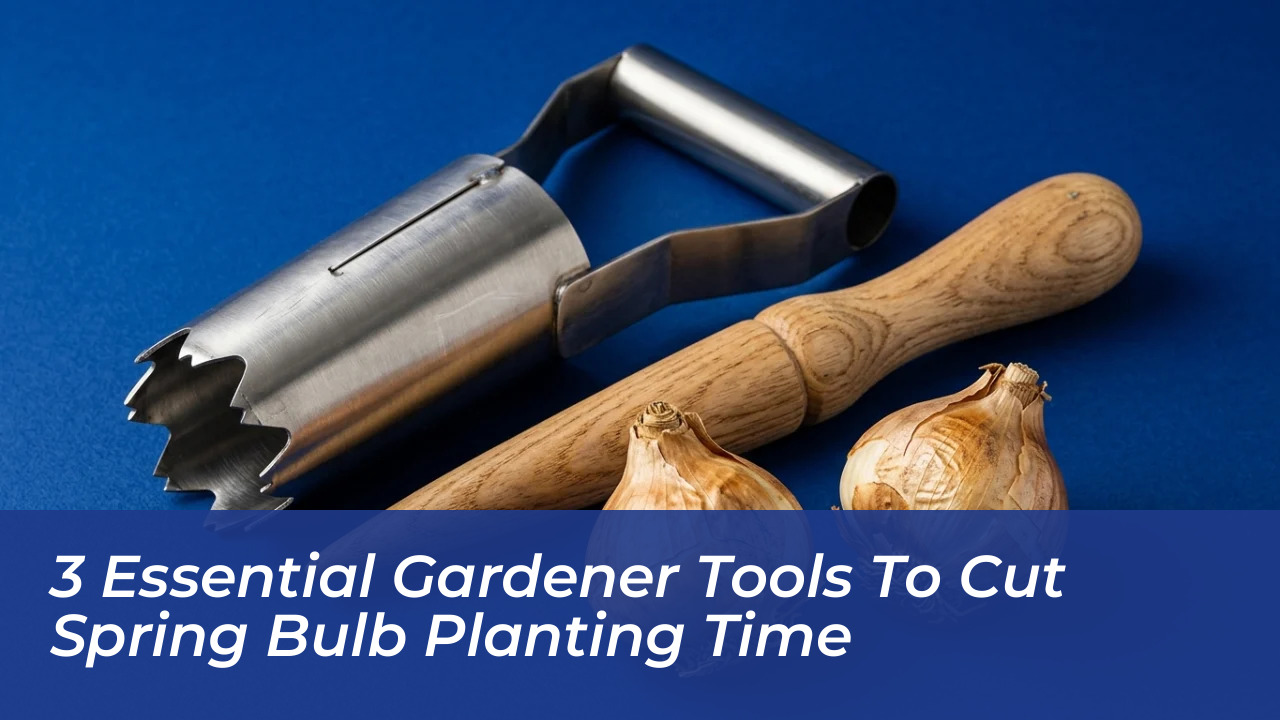

As the autumn chill settles into the ground, UK gardeners face the monumental task of establishing spring floral displays before winter frosts arrive. Running from September through December-with October offering the absolute optimum window-this heavy workload can quickly turn a joyful seasonal ritual into an exhausting physical chore. However, gardening expert Tom Strowgler reveals that shifting away from generic hand trowels and standard spades toward three dedicated implements can cut both physical strain and total project time in half.
Traditional garden kits like standard hand trowels and hand forks certainly work, but task-specific equipment allows enthusiasts to install substantially more bulbs in far less time. High-volume autumn planting is the primary secret behind those dense, breathtaking drifts of early-season color that emerge when the landscape wakes up from winter dormancy.
The Autumn Planting Schedule: Getting the Sequence Right
Successful displays depend entirely on the calendar. Early-flowering varieties such as daffodils and crocuses must go into the ground first, establishing strong root structures before soil temperatures plummet. Later bloomers, including alliums and tulips, should be planted further into the season.
Working methodically through beds and borders in October ensures optimal soil workability before harsh winter weather sets in. Handling this heavy workload requires shifting from generic tools toward specialized equipment designed specifically for repetitive excavation.
3 Specialist Tools That Streamline Bulb Planting
Digging dozens or hundreds of individual holes with a simple garden trowel quickly leads to wrist fatigue and back strain. Strowgler identifies three purpose-built tools that radically speed up the workflow across different garden settings:
1. Long-Handled Bulb Planter
This tool is best suited for large beds and perennial borders where extensive walking and standing are required. Operated much like a garden spade, you position the tool upright, apply foot pressure to drive the core into the dirt, remove the plug of soil, place the bulb into the base, and release the core directly over it to cover.
2. Handheld Bulb Planter
This tool operates on an identical coring mechanism but is scaled down for gardeners working close to the soil surface while positioned on a kneeling pad. It proves exceptionally efficient for patio containers, window boxes, and smaller border infills.
3. Bulb Planting Dibber
A pointed, handheld implement specifically intended for smaller bulbs such as crocuses, snowdrops, and English bluebells, a dibber lets you push and wiggle it into the compost to create a precise hole in seconds without unnecessary soil disruption.
A Practical Step-by-Step for the Bulb Dibber
To maximize efficiency when handling delicate bulbs, follow this straightforward planting method:
- Press the pointed end of the dibber firmly into prepared soil or compost.
- Give the tool a gentle lateral wiggle to firm up the cavity walls and create a clean pocket.
- Withdraw the tool smoothly and drop the small bulb directly into the bottom, root-side down.
- Nip the top of the hole shut with your fingers to seal the bulb securely beneath the surface.
Busting the Single-Depth Planting Myth
A widespread gardening mistake involves sinking every bulb type to the exact same depth regardless of diameter. Applying a standard shallow depth across mixed varieties often causes taller varieties like alliums to topple in spring gales, while burying small crocuses too deep prevents emergent shoots from reaching the surface.
Strowgler’s golden formula-planting at a depth equal to three times the physical height of the bulb-provides the exact depth adjustment needed. Specialist core planters and tapered dibbers naturally match these soil depths with minimal guesswork.
Summary of Essential Bulb Planting Tools
- Long-Handled Planter: Best for large borders, deep turf planting, and mass daffodil or tulip displays.
- Handheld Planter: Best for pots, raised planters, and borders worked from a kneeling pad.
- Bulb Dibber: Best for delicate, small bulbs including snowdrops, bluebells, and crocuses.
Using the appropriate kit eliminates repetitive wrist strain and dramatically accelerates autumn prep. Stocking these three implements ensures displays establish strong underground foundations long before the first spring blooms emerge.
Frequently Asked Questions
What are the best tools for planting spring bulbs quickly?
Long-handled bulb planters, handheld core planters, and traditional planting dibbers are the top three specialist tools designed to cut planting time in half while reducing physical strain.
How deep should spring bulbs be planted?
A general rule of thumb is to plant bulbs at a depth equal to two to three times their total vertical height. Large bulbs like daffodils need deeper holes, while smaller varieties like crocuses require much less depth.
Can I use a regular trowel instead of a bulb planter?
Yes, a standard trowel works fine for a few bulbs, but dedicated bulb planters remove a clean soil plug and guarantee consistent depth, making them significantly faster for large-scale autumn planting.
How do I prevent soil from compacting when using a dibber?
Give the dibber a gentle lateral wiggle as you press it into loose, well-prepared soil to create clean cavity walls without glazing or excessively compacting the surrounding earth.
When is the best time to plant spring bulbs in the UK?
The autumn bulb season spans from September through December, with October offering the ideal window to plant bulbs while the soil remains workable and before winter frosts arrive.