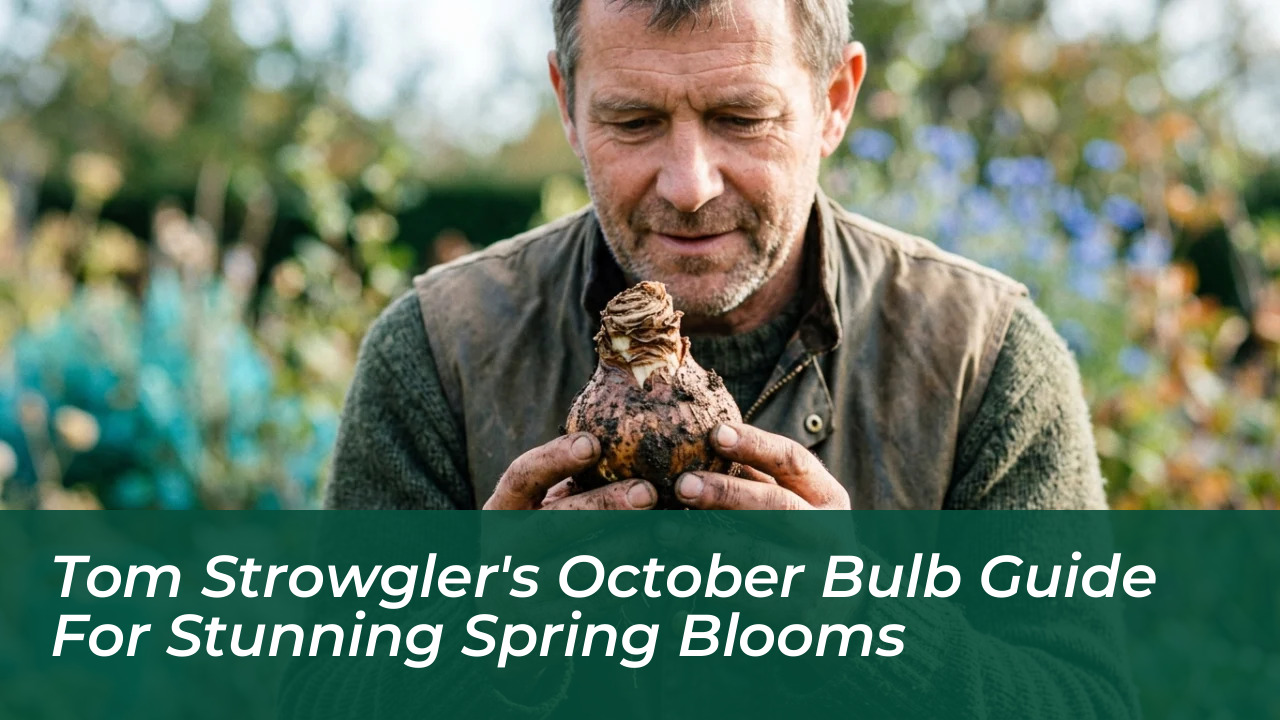

Gardeners aiming for an explosion of vibrant color next spring must prioritise planting daffodils and crocuses right now, while holding back alliums and tulips for later in the season. British gardener Tom Strowgler warns that although the autumn planting window runs from September through to December, October is the pivotal month to fill pots, planters, beds, and borders before diminishing daylight and cold ground complicate the task. Missing this specific autumn window directly risks stunted root systems and underwhelming spring borders. Every bulb demands a dedicated period of subterranean chilling and root establishment before ground temperatures plummet. Getting the right varieties into British soil during October gives early risers the vital weeks they require to settle.
The October Priority: Which Bulbs Go Into the Soil First?
Not all spring bulbs share the same autumn timetable. Strowgler explains that bulb planting follows a clear seasonal order to ensure optimal blooms when warmer weather returns. The earliest varieties to establish are daffodils and crocuses. These hardy favourites benefit from being bedded down early in the autumn, establishing robust root networks before severe winter frosts take hold. Later in the planting calendar, gardeners can turn their attention to alliums and tulips. Staggering your planting this way mirrors the natural growth cycle of the bulbs and prevents late-season specimens from emerging prematurely during mild autumn spells.
- Daffodils: Plant early in autumn across borders, containers, and lawn edges for reliable early spring cheer.
- Crocuses: Settle these smaller bulbs into turf or border fronts now to provide critical early nectar for emerging pollinators.
- Snowdrops and bluebells: Ideal smaller candidates to tuck into dappled shade and beds during autumn preparation.
- Tulips and alliums: Keep these held back for later planting towards November and December to protect against damp and disease.
The Crucial Three-Times Depth Rule
Getting bulbs into the earth is only half the battle; planting depth dictates whether they thrive or rot. A standard hand tool, spade, or garden fork can easily manage the task, but precision remains paramount. Strowgler highlights an essential rule of thumb for all garden displays: plant each bulb at three times the depth of its height. Applying this formula creates the protective soil barrier bulbs need to withstand frost penetration and physical disturbance. A crocus measuring two centimetres tall requires a six-centimetre planting hole, whereas a substantial daffodil bulb needs significantly deeper placement. Getting this calculation wrong often leads to blind foliage or windblown stems come March.
Three Essential Tools That Prevent Back Strain and Speed Up Planting
Manually digging dozens of individual holes in heavy British clay or damp border soil quickly turns into exhausting labour. To accelerate the process and expand the volume of your spring displays, specialised equipment makes a measurable difference. Strowgler recommends three dedicated planting tools designed to cut down physical effort:
- The long-handled bulb planter: Operated from a standing position, you place the tool against the turf or border, step down with your foot to extract a core of soil, drop the bulb inside, and release the soil directly back on top. It is the premier choice for naturalising large drifts of daffodils into lawns.
- The handheld bulb planter: Ideal when working from a kneeling pad beside low-level pots, patio containers, and crowded borders, functioning identically to the long-handled model while keeping you closer to the action.
- The bulb planting dibber: A tapered tool suited for smaller species including crocuses, snowdrops, and bluebells. Simply push the dibber into the earth, give it a firm wiggle to open a clean hole, pop the bulb in root-side down, and nip the soil shut.
By pairing the right planting sequence with efficient garden tools, you can establish massive floral displays across your garden in a fraction of the time. Taking time to assess your soil drainage before planting will pay huge dividends when the first shoots emerge next year. Keep an eye on local weather forecasts to ensure your earliest bulbs are safely underground well ahead of any early ground freezes.
Frequently Asked Questions
Is October too late to plant spring bulbs?
No, October is actually the optimal and pivotal window for planting hardy spring-blooming bulbs like daffodils and crocuses, provided the soil is still workable and has cooled down.
Why should alliums and tulips be held back?
Alliums and tulips are best planted later in November and December. Holding them back protects them from damp soil conditions and prevents premature green growth during unusually mild autumn spells.
What is the golden rule for planting depth?
Always plant each bulb at a depth equal to three times its total height. This creates a protective thermal barrier against winter frosts and secures the plant against wind damage.
Which tools make October bulb planting easier?
Long-handled bulb planters, handheld planters, and tapering bulb dibbers significantly reduce physical strain while ensuring clean, consistent holes in lawns and borders.
Why do daffodils and crocuses need to go in early?
These early risers require vital autumn weeks to establish robust root networks before severe winter frosts lock the ground, guaranteeing healthy and vibrant blooms come spring.