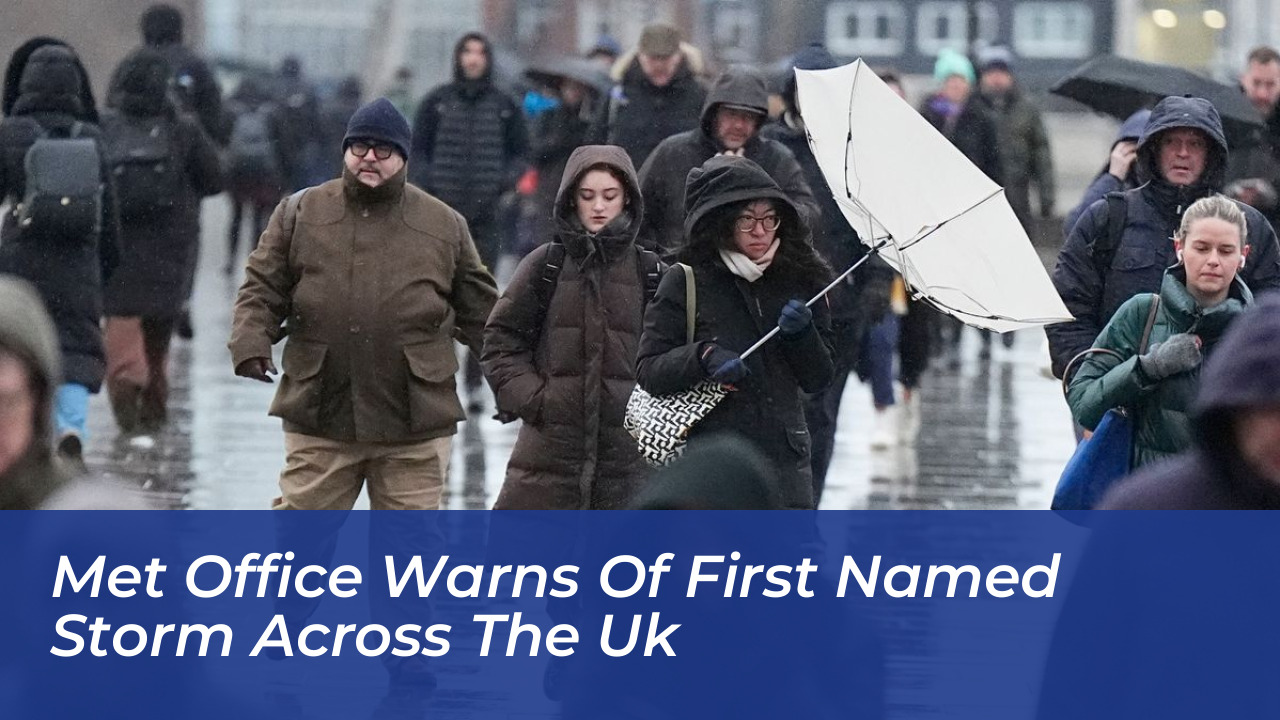

Heavy rain and damaging winds are set to sweep across large parts of the United Kingdom as powerful Atlantic weather systems drive increasingly unsettled conditions toward the end of October 2026. The Met Office has issued a yellow weather warning for southwestern England and Wales, flagging the potential for wind gusts reaching up to 70 mph and the arrival of the season’s first officially named storm.
The initial weather warning takes effect from midnight until noon British Summer Time on Friday, October 23, 2026. According to Met Office forecasters, exposed coastal locations are expected to bear the brunt of the strongest gusts. At the same time, widespread heavy rainfall across various regions brings risks of localized travel disruption, potential building damage, and a small risk of localized power cuts.
Tracking the Deep Low-Pressure System
Meteorologists are closely monitoring a deep area of low pressure expected to approach the UK from late Thursday. The exact path of this system remains the primary factor determining which regions will experience the most severe weather impacts. Current computer forecast models continue to show differing trajectories for the storm system.
If the low-pressure centre tracks across southern areas of the UK as most models suggest, the highest risk of disruptive winds will concentrate over the southernmost parts of England and Wales, extending possibly into eastern coastal counties by late Friday. Alternative forecast models indicate the possibility of a more northerly track, which would widen the scope of gales and disruption to include parts of Scotland and Northern Ireland.
Naming Protocols and Potential Monikers
The Met Office, alongside partner agencies like Ireland’s Met Éireann and the Netherlands’ KNMI, follows an established protocol for naming storms. Systems receive a name when they are forecast to cause medium to high impacts that trigger amber or red level weather warnings.
If the approaching system meets the necessary criteria for an official designation, it will be named Storm Austen on the UK-Ireland-Netherlands Western Storm Naming Group list. Alternatively, if the low-pressure track shifts further south and impacts France more severely, the French weather service MeteoFrance could designate it as Storm Bruna.
Preparing for Autumn Disruption
The impending stormy conditions follow a wet week across the UK, compounding moisture levels in regions previously experiencing dry spells. Transport networks, including rail, ferry, and road services, could face delays or cancellations as gale-force winds interact with trees still holding dense autumn foliage, increasing the likelihood of fallen branches and localized blockages.
Authorities advise residents and motorists living within the warning zones to stay updated with the latest forecasts and official weather warnings as meteorologists refine their models ahead of the weekend.
Frequently Asked Questions
When is a storm officially named in the UK?
A storm is named when it poses a threat to life and property, carrying the potential to cause medium-to-high disruption that triggers an amber or red warning from the Met Office, Met Éireann, or KNMI.
What wind speeds are expected with this weather warning?
Forecasters anticipate widespread winds gusting between 50 to 60 mph, with the most exposed coastal and hill locations potentially experiencing severe gusts reaching up to 70 mph.
What areas are currently under the yellow weather warning?
The initial yellow severe weather warning covers southwestern England, south-west Wales, and coastal areas stretching toward West Suss*x.
How does the storm naming rotation work?
The Met Office collaborates with partner meteorological agencies in Ireland and the Netherlands to compile an annual alphabetical list of storm names running from September to August each year.
Where can I check live updates for my local area?
You can monitor real-time weather updates, radar maps, and official warnings directly through the official Met Office website or mobile weather application.