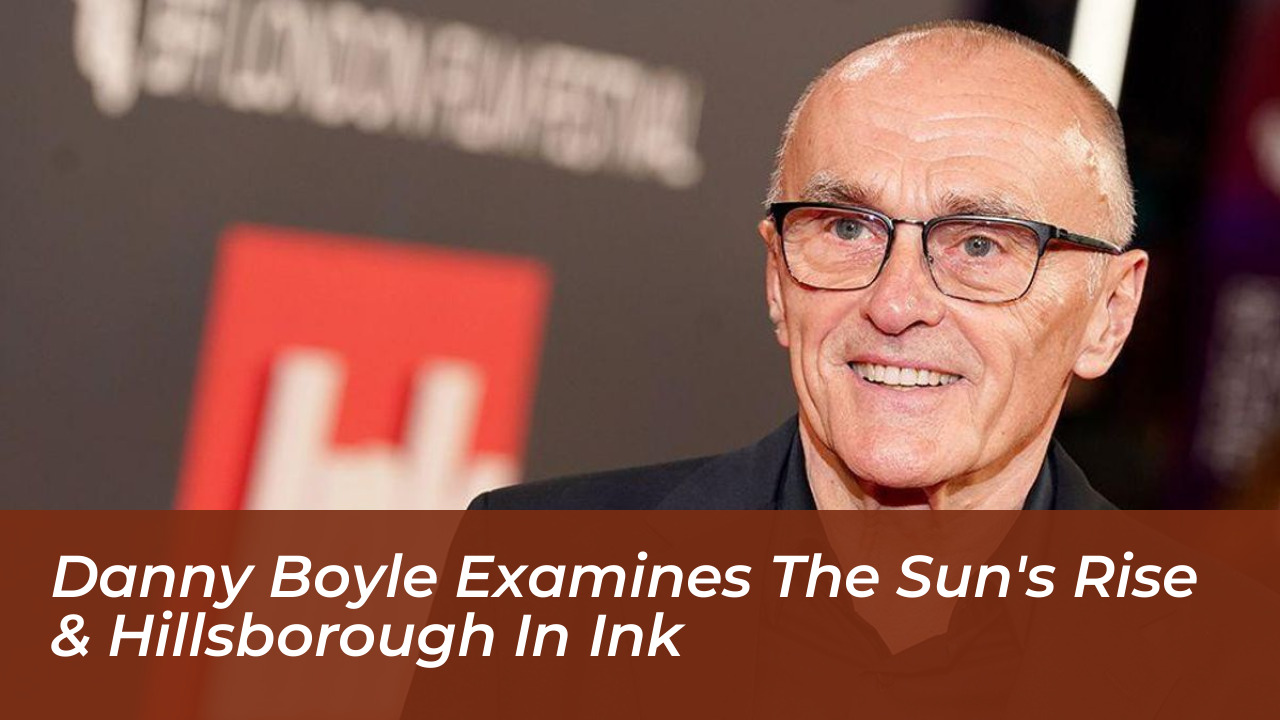

Academy Award-winning director Danny Boyle has addressed the complex legacy of British tabloid journalism in his upcoming film, Ink. Speaking during a special screening in Manchester ahead of the film’s scheduled release, Boyle discussed how the feature explores the dramatic rise of The Sun newspaper under media mogul Rupert Murdoch, while directly confronting the publication’s devastating coverage of the 1989 Hillsborough disaster.
Adapted from James Graham’s acclaimed 2017 stage play, Ink traces the transformation of The Sun from a struggling late-1960s broadsheet into a dominant force in British media. The production features a star-studded cast, with Guy Pearce portraying Rupert Murdoch, Jack O’Connell starring as editor Larry Lamb, and Claire Foy appearing as reporter Jules Davies.
Confronting the Hillsborough Disaster and Tabloid History
While the film charts the commercial ambitions and editorial decisions that reshaped Fleet Street, Boyle emphasized that the project does not shy away from the darkest chapters of the newspaper’s history. Most notably, the movie addresses The Sun‘s infamous 1989 front-page headline, “The Truth,” which falsely blamed Liverpool fans for the Hillsborough tragedy.
Speaking to BBC North West Tonight, Boyle condemned the coverage as “one of the darkest days in publishing history,” adding that the publication and the individuals responsible for that headline “will never live that down, nor should they.” Inquests held in 2016 ultimately concluded that the 97 victims of the disaster were unlawfully killed and that Liverpool supporters did not cause the deadly crush.
Boyle noted that the film also acknowledges other severe ethical breaches in British newspaper history, including phone hacking scandals and the Milly Dowler case. “The film acknowledges that it’s one of the darkest days in publishing history,” Boyle explained, while maintaining that the project provides a truthful depiction of Murdoch and his team at the onset of their media empire.
Drawing Parallels to Today’s Clickbait Culture
Despite the historical weight of the subject matter, Boyle explained that he took on the project because he saw striking parallels between the sensationalist tactics of late-20th-century Fleet Street and today’s digital media landscape. He argued that the editorial pivot toward controversy and scandal in the 1970s laid the groundwork for the modern clickbait world and attention economy.
“The Sun and the people who produced that headline and that coverage will never live that down, nor should they. The film acknowledges that it’s one of the darkest days in publishing history.” – Danny Boyle
Reviewers from major film festivals, including the London Film Festival and Telluride, have highlighted the film’s frenetic, sensory-heavy aesthetic, which mirrors the relentless pace of newsrooms driven entirely by circulation numbers and public outrage. By examining how editors like Larry Lamb prioritized gripping narratives over journalistic integrity, Ink serves as a cautionary tale about the commercial pressures shaping news consumption.
Release Details and Streaming Plans
Ink has generated significant buzz on the festival circuit for its bold stylistic choices and unflinching look at the banality of corporate and journalistic compromise. Following its festival runs and upcoming theatrical engagements, the film is slated to stream on Netflix, bringing its critical look at media history to a global audience.
As debates continue regarding the responsibilities of modern media platforms and the erosion of public trust, Boyle’s cinematic deep-dive into the origins of tabloid dominance offers timely insights into how the pursuit of profit transformed the dissemination of news.