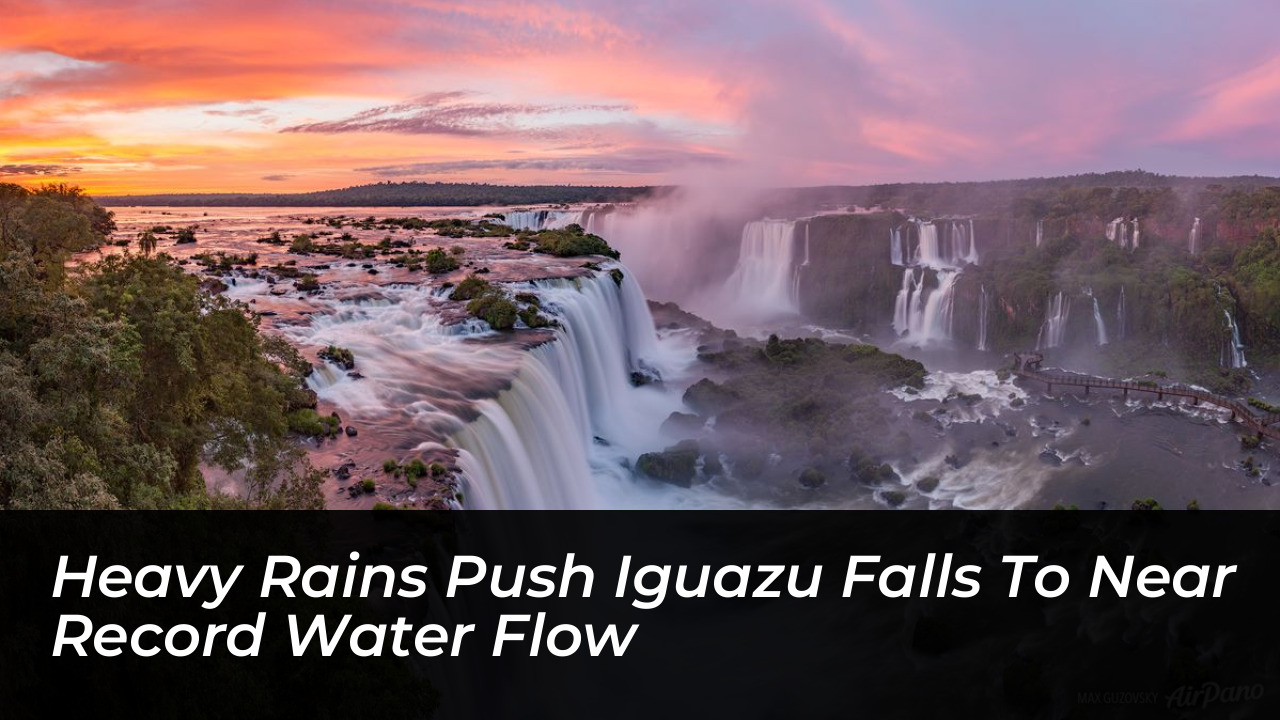

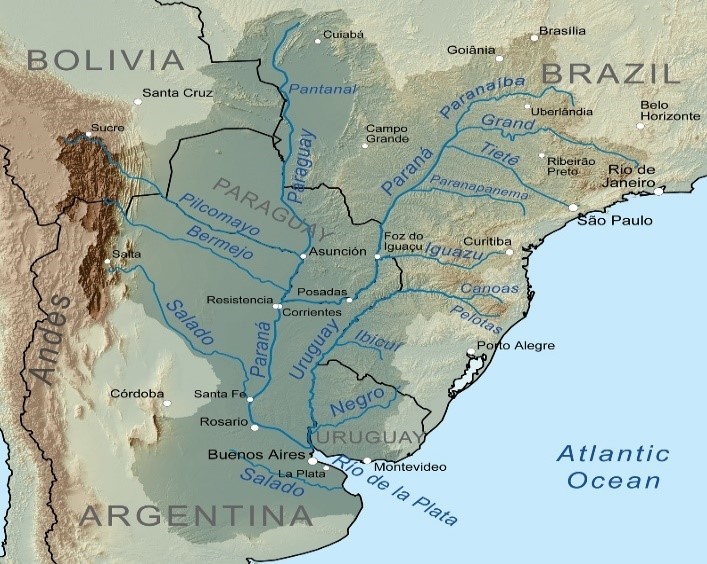
Heavy October rainfall across the river basin in Brazil has pushed Iguazu Falls, which straddles the Brazil-Argentina border, to near-record water volumes. The dramatic surge prompted national park officials to temporarily close tourist walkways as river levels continued to rise dangerously high.
Super El Niño Fuels Raging River Levels
Scientists have linked the persistent and heavy rains to this year’s Super El Niño weather pattern. This pattern is associated with extreme weather events and erratic climate changes around the world. During a recent visit, officials recorded nearly 12 million liters-equivalent to more than 3 million gallons-of water per second plunging over the massive network of waterfalls.
That staggering volume reached up to 10 times the normal flow rate measured at the site, according to local government and park data. The swollen Iguazu River carried red, muddy water toward the precipice. It rose high enough to lap the bottom of narrow metal catwalks that normally stand several feet above the cascading water during years with typical rainfall patterns.
Walkway Closures and Public Safety Measures
National park authorities took immediate precautionary measures to limit tourist access and ensure visitor safety. Officials shut down the spectacular viewing walkways as the river flow exceeded 12,000 cubic metres per second-more than six times its historical average.
José María Hervás, the director of the Iguazu National Park, explained the necessity of the closures. He told local media that “it just keeps raining” and the volume of water being released from upstream dams on the Iguazu River remained unabated. Concessionaires including Urbia+Cataratas and the Chico Mendes Institute for Biodiversity Conservation have continued monitoring the shifting river conditions.
Impact on Tourism and Regional Climate Context
While the UNESCO World Heritage site experienced temporary restrictions, portions of Iguazu National Park remained open to the public. They offered a smaller-than-average number of brave tourists a view of an awe-inspiring natural force. The roar of the rushing river underfoot and rusty swells disappearing over the steep drop captivated visitors despite the logistical disruptions.
Meteorologists note that the ongoing El Niño cycle is driving severe alterations in winds and rainfall across South America’s coastal regions. With historical benchmarks frequently challenged by recent high-water events-including previous closures in July and September-authorities remain vigilant as the region enters peak seasonal weather shifts.