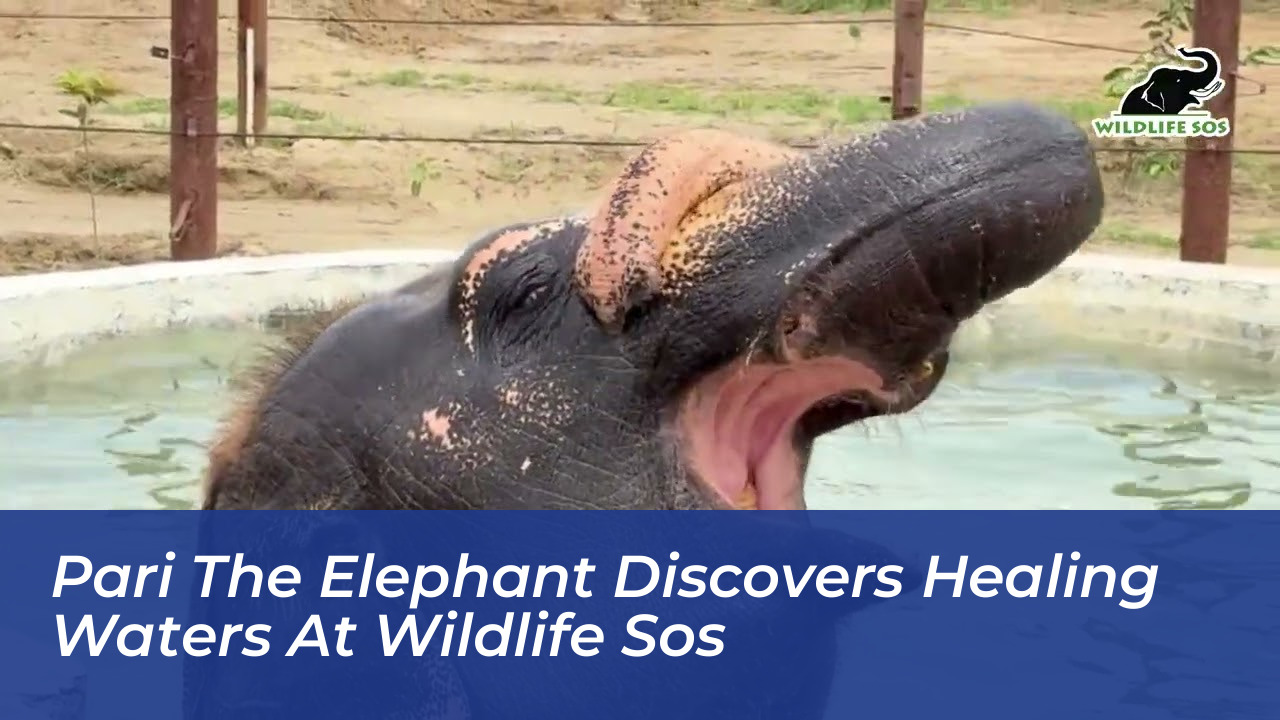

Decades of forced begging along punishing tarmac roads ended the moment 20-year-old Pari stepped out of spiked shackles and into her purpose-built sanctuary pool. After enduring a lifetime of exploitation, where handlers exploited her majestic presence for tourist coins and religious processions, the Asian elephant revealed an innate zest for life that years of captivity failed to extinguish. Her transformation at Wildlife SOS showcases the remarkable resilience of captive pachyderms once cruelty is replaced with compassionate care and freedom of movement.
For thousands of working elephants across Asia, daily existence is defined by chronic pain, social isolation, and extreme physical restraint. Breaking that cycle requires specialized rescued elephant rehabilitation programmes that address both physical degradation and psychological trauma.
The Hidden Reality Behind Street Begging Elephants
Elephants used for begging endure severe bodily stress long before they reach visible crisis points. Their footpads, naturally designed to traverse soft forest terrain, suffer catastrophic wear when forced to walk on scorching urban roads. The machinery of street exploitation relies on strict psychological subjugation and physical coercion, often marked by:
- Tight iron shackles and spiked cuffs: Mechanical restraints that create chronic, open wounds around sensitive ankle joints to discourage movement.
- Severe nutritional depletion: Inadequate diets consisting largely of dry, nutrient-poor scraps instead of diverse wild vegetation and fresh forage.
- Chronic dehydration: Hours of restricted access to clean drinking water under direct sunlight.
- Psychological distress: Continuous exposure to loud traffic horns, crowding, and intimidation tactics that cause profound behavioural withdrawal.
When rescue teams intervene, untangling these compounding issues requires methodical, round-the-clock medical intervention and vast patience. When Wildlife SOS first encountered Pari in 2021, she was severely emaciated with an abnormal posture. Her front legs were permanently altered at a slanted angle due to prolonged periods of being tied up in an inconvenient posture with short chains.
Hydrotherapy and the Healing Journey at the Sanctuary
Once liberated, Pari discovered an essential component of her physical recovery: deep water. Immersion provides immediate, non-weight-bearing relief to joints strained by decades of carrying loads on hard surfaces.
Watching a formerly restrained giant blow bubbles with her trunk, submerge completely, and splash with uninhibited enthusiasm offers vivid proof of trauma recovery. Water acts as a natural physiotherapist, soothing osteoarthritis while encouraging play behaviours that captive working animals are systematically denied.
Medical examinations at the Elephant Hospital Campus (EHC) revealed a multitude of injuries, including abscesses on her cheeks, temple, and elbow joints, septic ulcers near her hip joints, a protruding spine, and severe pododermatitis. Continuous treatments, proper nutrition, antibiotics, supplements, and specialized laser therapy for pain management have played a vital role in her ongoing rehabilitation.
Restoring Natural Behaviours in a Protected Environment
Sanctuary rehabilitation goes far beyond simple physical healing. Elephants possess advanced cognitive abilities and intricate emotional systems, meaning real recovery demands sensory stimulation and absolute autonomy.
At an ethical sanctuary, resident animals determine their own schedules. They choose when to forage, which dust bath to enjoy, and when to submerge themselves in cooling pools alongside supportive herd companions. For an animal whose every step was previously directed by a bullhook or restraint chain, autonomy represents the truest form of liberation.
How Ethical Tourism Can End the Begging Cycle
The demand that fuels elephant street begging and abusive riding attractions relies heavily on uninformed travel spending. Every traveller holds direct economic leverage over the welfare standards enforced across global tourist destinations. Supporting sustainable, humane initiatives requires clear discernment before booking any animal encounter:
- Refuse hands-on interactions: Avoid facilities offering elephant rides, forced bathing sessions, or circus-style performances.
- Prioritise observational sanctuaries: Choose genuine conservation projects that allow animals to roam vast natural spaces without performing for crowds.
- Support legislative protection: Back national and international welfare bodies striving to end captive wildlife trafficking and abusive working practices.
Pari’s playful dives and bubbling trunk splashes stand as living reminders of what every captive elephant deserves: dignity, space, and the simple freedom to enjoy life without fear. Transforming wildlife welfare begins with informed consumer choices and vocal advocacy for ethical conservation standards.
Frequently Asked Questions About Pari and Wildlife SOS
When was Pari rescued and how old was she?
Pari was rescued in 2021 when she was approximately 20 years old.
What health issues did Pari face upon arrival at Wildlife SOS?
Pari arrived in a severely emaciated and frail condition, suffering from deep abscesses, cracked toenails, pododermatitis, septic ulcers, and permanent skeletal and posture deformities caused by prolonged chaining.
What are Pari’s favourite activities at the sanctuary?
Pari thoroughly enjoys spending time in her sanctuary pool, practicing hydrotherapy, and extracting treats from food-based enrichments.
Where is Pari currently cared for?
Pari resides at the Elephant Conservation and Care Centre (Elephant Camp) operated by Wildlife SOS in India.
What is the ultimate goal of Wildlife SOS regarding begging elephants?
Wildlife SOS is fully committed to ending the archaic and exploitative practice of begging elephants in India, working tirelessly to secure a safer future for rescued pachyderms.