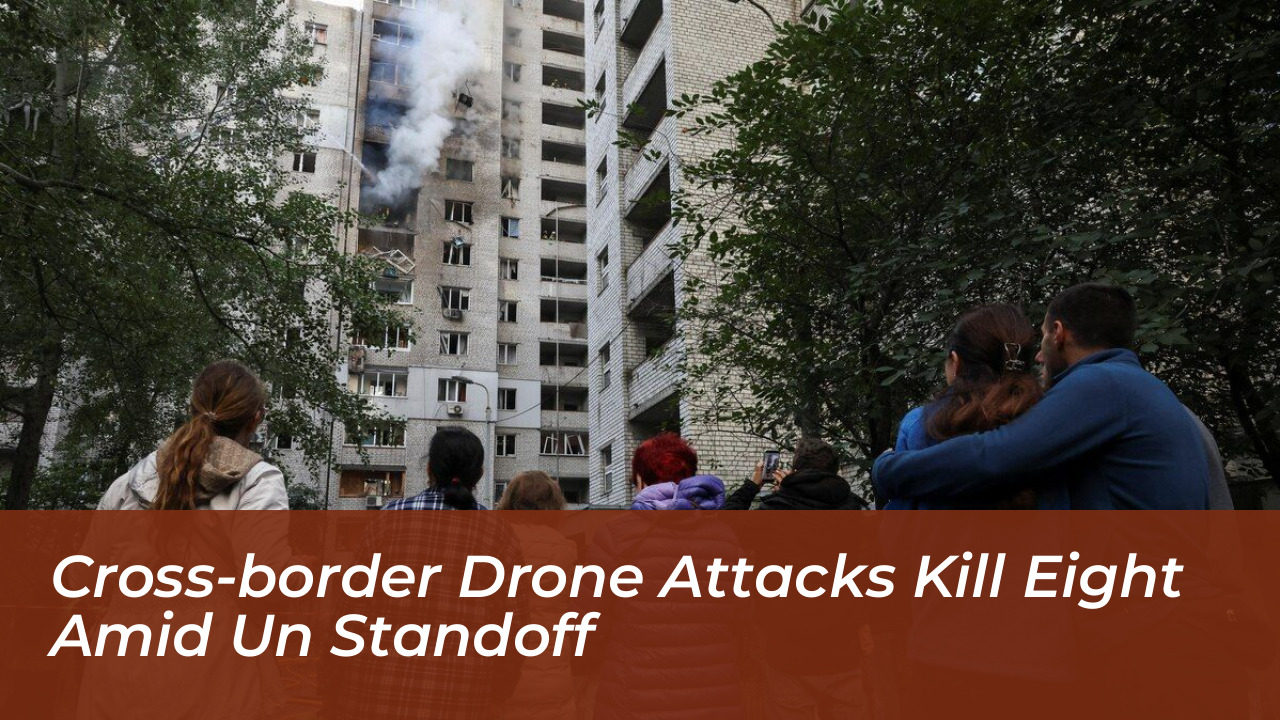
A severe wave of cross border Russian and Ukrainian drone and missile strikes resulted in the deaths of at least eight civilians, including a child, while injuring dozens across affected regions. The dramatic acceleration in long-range aerial bombardments targeted critical energy infrastructure, agricultural hubs, residential high-rises, and vital transportation links in both nations. This escalation coincides with high-level discussions at the United Nations General Assembly in New York, highlighting the deepening divide between Kyiv and Moscow regarding diplomatic settlements and battlefield realities. The aerial operations demonstrate a distinct shift toward high-volume, deep-strike unmanned aerial vehicles designed to overwhelm traditional air defense networks.
- Escalation of Cross-Border Drone Warfare
- Surge in Unmanned Aerial Vehicle Deployments
- Targeted Strikes Across Ukrainian Urban and Agricultural Hubs
- Kyiv Residential and Commercial Damage
- Kharkiv Agricultural Facility Casualties
- Odesa Maritime and Port Infrastructure Disruptions
- Ukrainian Long-Range Counter-Strikes Within Russian Territory
- Rostov Region Oil Facility Incidents
- Krasnodar Industrial Complex Disruption
- Diplomatic Stalemate at the United Nations General Assembly
- Zelenskyy Demands Revenue Starvation
- Kremlin Rejection of Short-Term Ceasefires
- Regional Spillover Risks and NATO Airspace Violations
- Romanian Airspace Penetration
- Frequently Asked Questions
- What caused the recent surge in cross-border drone strikes?
- How are civilian populations affected by these bombardments?
- Why are agricultural facilities being targeted in border regions?
- What is the diplomatic stance of the Kremlin regarding a ceasefire?
Escalation of Cross-Border Drone Warfare
While Russian forces launched strikes against administrative, residential, and industrial zones across Ukraine, Ukrainian long-range unmanned assets struck deep within Russian territory, hitting energy refining infrastructure and industrial supply chains. Emergency response personnel across multiple Ukrainian provinces worked through damaged infrastructure following coordinated midnight raids. The strikes inflicted severe loss of life in both urban centers and rural agricultural communities. First responders confirmed eight deaths directly linked to the incoming projectiles and falling debris, with search teams continuing to clear structural rubble in multiple municipalities.
Military analysts note that the volume of unmanned aerial vehicles deployed in single operational windows has reached historical highs. Air defense batteries engaged multiple incoming targets simultaneously, yet several warheads breached defense perimeters, detonating within populated zones and sensitive commercial complexes. The persistence of these raids underscores the technological adaptation occurring on both sides, as engineers continuously modify guidance systems to bypass electronic countermeasures.
Surge in Unmanned Aerial Vehicle Deployments
- Analysis of high-volume drone swarms designed to bypass air defense perimeters through synchronized saturation tactics.
- Impact on residential zones, critical energy infrastructure, and agricultural supply chains threatening regional food security.
- Casualty figures and immediate emergency response efforts coordinated across affected regions by municipal rescue teams.
The strategic deployment of these aerial assets relies heavily on low-altitude flight paths designed to mask signatures from conventional radar systems. Local populations frequently experience hours of air raid sirens as warning networks track shifting trajectories across international and regional borders. The sheer density of these deployments places unprecedented strain on municipal emergency services.
Targeted Strikes Across Ukrainian Urban and Agricultural Hubs
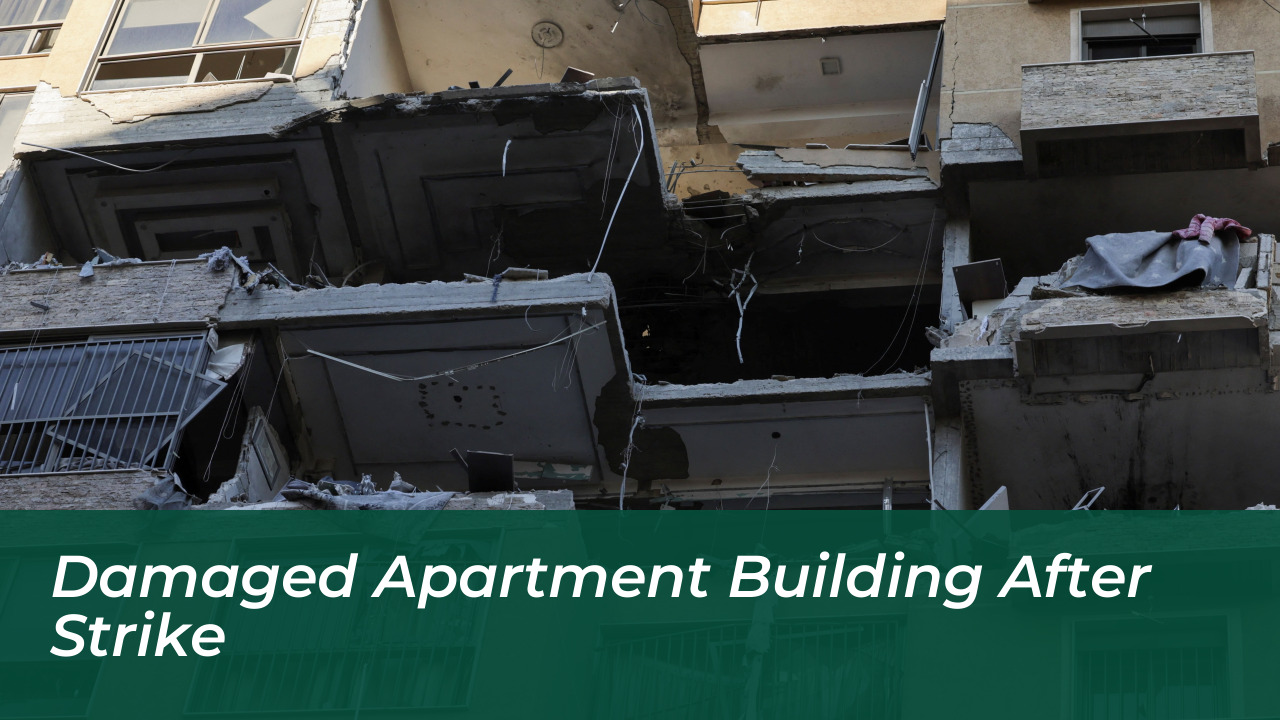
In the capital city of Kyiv, Russian strike assets penetrated urban air defenses, damaging more than 50 civilian infrastructure locations. A 14-year-old boy died when a heavy warhead struck a 16-storey residential apartment building, causing severe localized structural collapses and severe fires across upper floors. Emergency crews deployed heavy machinery to extract residents trapped under collapsed concrete spans. Simultaneously, four bodies were recovered from an office parking lot following a direct strike on a commercial administrative hub.
Local emergency management teams verified at least seven additional civilian injuries within Kyiv municipal borders. The damaged facilities included residential high-rise apartment complexes in densely populated districts, a regional maternity hospital that required immediate patient evacuation, a major municipal textile manufacturing plant, and multiple postal distribution centers alongside civilian commercial retail outlets.
Kyiv Residential and Commercial Damage
- Penetration of urban air defenses and structural impact on a 16-storey apartment building resulting in emergency rescues.
- Casualties among residents and commercial workers, including the tragic death of a 14-year-old boy.
- Evacuation of a regional maternity hospital and disruption of municipal manufacturing facilities due to blast waves.
Kharkiv Agricultural Facility Casualties
The heaviest single-location death toll occurred in the northeastern Kharkiv region, where a precision strike hit an agricultural enterprise. Interior Minister Ihor Vyhivskyi confirmed that six agricultural workers were killed on site while performing operational duties. Twelve additional farm personnel sustained severe shrapnel wounds and blast injuries during the barrage. The targeting of agricultural assets underscores the continuing risk to the national agrarian economy.
- Precision strikes on agricultural enterprises in northeastern border zones impacting seasonal harvest workflows.
- Death toll among farm workers and severe damage to grain storage silos and processing machinery.
- Disruption of regional logistics vital for domestic food distribution and international export markets.
Odesa Maritime and Port Infrastructure Disruptions
Concurrently, the southern port city of Odesa endured sustained bombardments targeting port infrastructure and adjacent supply routes. Russian forces utilized jet-powered drones alongside tactical ballistic assets to target transit hubs along the Black Sea coastline. Harbor facilities, warehouse units, and nearby electrical substations experienced direct hits, resulting in localized power outages and transportation delays.
- Targeting of Black Sea transit hubs, warehouses, and electrical substations by jet-powered drones.
- Secondary fires and containment efforts near bulk agricultural export storage and grain terminals.
- Interruption of maritime trade routes impacting regional economic stability.
Ukrainian Long-Range Counter-Strikes Within Russian Territory
In response to the widespread bombardment of its sovereign territory, Ukraine executed long-range drone counter-attacks targeting energy and industrial facilities located deep within western Russian border provinces. Kyiv military strategy continues to focus on impairing fuel production capabilities and industrial supply hubs that support Moscow war logistics. These operations demonstrate an expanding radius of unmanned capabilities designed to reach strategic assets far from the immediate front lines.
Rostov Region Oil Facility Incidents
In the Rostov region, local officials reported targeted drone incursions directed at commercial oil refining facilities. Rostov Governor Yuri Slyusar confirmed that intercepted Ukrainian drone fragments crashed into an administrative building located within the refinery perimeter. While structural damage occurred to facility office units, local emergency services confirmed that primary refining units remained intact and no major fires erupted.
- Targeting of commercial oil refining facilities and administrative buildings by long-range unmanned assets.
- Assessment of structural damage and operational continuity of primary refining units by regional inspectors.
- Deployment of local emergency response teams to secure crash sites and clear debris.
Krasnodar Industrial Complex Disruption
Further south in the Krasnodar region, falling drone debris triggered an emergency fire response at a local industrial processing facility. Regional emergency response officials reported that long-range unmanned aerial vehicles were engaged by local air defense units before reaching primary targets. Falling wreckage ignited a brief fire across industrial grounds, which emergency teams contained within hours.
- Air defense engagement of long-range unmanned aerial vehicles over industrial grounds.
- Emergency fire response triggered by falling debris at mineral and chemical processing facilities.
- Assessment of industrial output delays following temporary safety shutdowns.
Diplomatic Stalemate at the United Nations General Assembly
The sudden escalation in kinetic cross-border strikes coincided directly with high-level diplomatic assemblies at the United Nations in New York. World leaders convened to evaluate global security concerns, yet political statements from both warring capitals demonstrated a firm commitment to ongoing military operations rather than immediate concessions. The rhetoric exchanged in diplomatic chambers reflected the hardened stances on both sides of the conflict.
Zelenskyy Demands Revenue Starvation
Addressing delegates at the U.N. General Assembly, Ukrainian President Volodymyr Zelenskyy delivered a strong condemnation of strikes targeting non-military infrastructure and civilian housing complexes. He urged the international community to enforce stricter global trade bans and comprehensive economic sanctions against Moscow. Zelenskyy argued that preventing Russia from generating revenue via secondary energy trade remains the most direct mechanism to halt military operations.
- Condemnation of attacks targeting non-military infrastructure, schools, and civilian housing developments.
- Calls for stricter international trade bans and economic sanctions targeting Russian war production supply chains.
- Emphasis on closing enforcement loopholes related to global energy and commodity exports.
Kremlin Rejection of Short-Term Ceasefires
From Moscow, Kremlin spokesman Dmitry Peskov formally rejected international calls for a short-term or temporary ceasefire, insisting that Russia will only accept a permanent, broad-scale political settlement. Moscow officials reiterated that any lasting agreement must address foundational security architecture demands and territorial control realities before diplomatic talks can yield formal treaties.
- Official response from Moscow regarding permanent political settlements versus temporary truces.
- Stance on territorial concessions and foundational demands for ending hostilities permanently.
- Rejection of intermediary proposals that fail to meet core strategic objectives.
Regional Spillover Risks and NATO Airspace Violations
Analysis of how expanding aerial warfare impacts neighboring countries and triggers alliance-wide security protocols reveals growing anxiety along the eastern flank. Unmanned aerial vehicles operating near border zones frequently drift across international boundaries due to electronic jamming or navigation errors, forcing neighboring states to activate rapid response air policing measures.
Romanian Airspace Penetration
Romanian radar systems tracked unidentified military drone entries near northern border towns adjacent to Ukrainian port zones. In response to potential security risks, military command scrambled Romanian F-16 and Spanish F-18 fighter jets under active NATO air policing missions to monitor the intruding objects. Recovery teams subsequently searched designated sectors for fallen debris, highlighting the persistent danger of regional spillover.
- Unidentified military drone entry and radar tracking near northern border towns and rural sectors.
- Scrambling of Romanian F-16 and Spanish F-18 fighter jets under NATO air policing missions.
- Recovery operations and security implications for non-belligerent regional neighbors sharing borders with active conflict zones.
Frequently Asked Questions
What caused the recent surge in cross-border drone strikes?
Both nations increased long-range aerial assaults to target infrastructure while diplomatic talks stalled at the United Nations.
How are civilian populations affected by these bombardments?
Civilians face constant air raids, structural damage to homes, and critical utility disruptions across urban and rural sectors.
Why are agricultural facilities being targeted in border regions?
Strikes on agrarian hubs disrupt local food production, supply chains, and export logistics vital to the national economy.
What is the diplomatic stance of the Kremlin regarding a ceasefire?
Moscow rejects short-term truces, demanding permanent political settlements and territorial concessions before any formal talks.