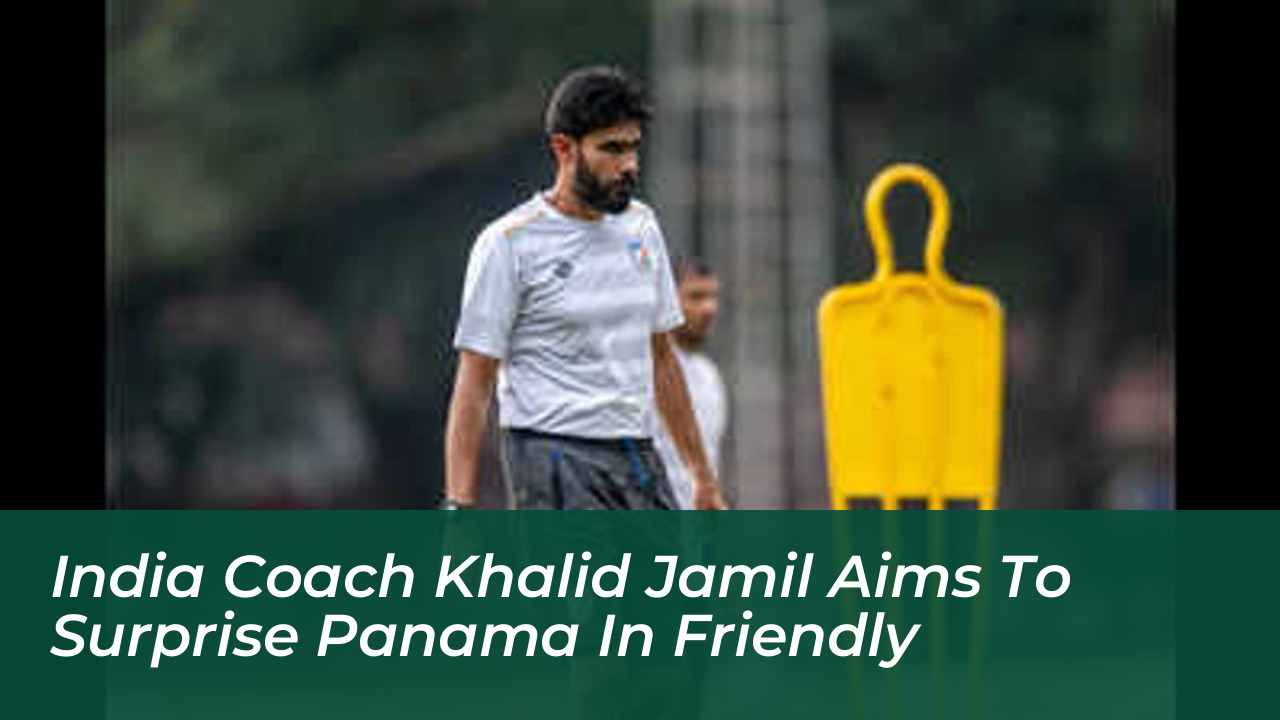
The Indian national football team steps onto the pitch at the Sree Kanteerava Stadium in Bengaluru for a high-stakes international friendly against Panama. Head coach Khalid Jamil prepares his squad to face a formidable opponent ranked 44th in the global FIFA standings. This fixture marks the opening chapter of a demanding sequence of matches that includes upcoming encounters against five-time World Cup winners Brazil and Uruguay. Despite a challenging backdrop that includes missing out on AFC Asian Cup qualification alongside mixed results in the Unity Cup and Tajikistan, Jamil remains focused on tactical execution. He aims to catch the CONCACAF side off guard by utilizing a balanced approach that blends defensive discipline with sharp counter-attacking transitions.
- Understanding the Rankings and the Reality Check
- Examining the FIFA Standing Gap
- Panama Squad Dynamics and Logistical Hurdles
- Khalid Jamil Addresses Criticism and Squad Strategy
- Navigating Public Scrutiny
- Implementing a Transitional Squad Strategy
- Balancing Youth and Experience on the Pitch
- Tactical Blueprint: Moving Beyond Pure Defence
- Rejecting the Passive Philosophy
- Leveraging Early Club Cooperation
- Upcoming Elite Fixtures: Preparing for the Global Stage
- The Broader International Calendar
- Frequently Asked Questions
- Who is the head coach of the Indian national football team?
- Where is the India versus Panama international friendly taking place?
- What is Panama FIFA ranking compared to India?
- Which high-profile teams are playing India after Panama?
Understanding the Rankings and the Reality Check
Examining the FIFA Standing Gap
A massive gap exists on paper between the two competing sides. India holds the 138th spot in the global rankings, while Panama sits comfortably at 44th after featuring prominently in recent global tournaments. This disparity highlights the massive developmental work required for Indian football to bridge the gap with elite global competitors.
For head coach Khalid Jamil and veteran goalkeeper Gurpreet Singh Sandhu, these external factors and the sheer quality of the opponent offer a vital measurement tool. They want to measure the true competitive state of Indian football without leaning on excuses about rankings or historical pedigree. Every minute on the pitch offers a chance to test tactical theories against players performing in top international leagues.
Panama Squad Dynamics and Logistical Hurdles
Panama traveled to Bengaluru under the guidance of coach Thomas Christiansen, bringing a squad containing seasoned veterans from recent global campaigns. However, the visitors faced significant logistical hurdles before touching down in India. Staggered travel schedules from various global leagues and late arrivals severely disrupted their preparation timeline.
Additionally, injuries forced key players to withdraw from the touring party, including influential defenders. These disruptions offer a slight opening for the home side. If the Blue Tigers can apply early pressure, they might exploit the fatigue and unfamiliarity within the reshuffled Panamanian formation.
Khalid Jamil Addresses Criticism and Squad Strategy
Navigating Public Scrutiny
Recent months brought heavy scrutiny to the national setup following underwhelming performances in continental and regional tournaments. Jamil acknowledges that constructive feedback forms a necessary part of managing a national program. At the same time, he maintains that certain public criticisms lack an understanding of the structural challenges currently facing the team.
As long as criticism remains constructive, the coaching staff welcomes the accountability. Jamil notes that people with deep knowledge about football understand what is happening behind the scenes and why the team struggles to put together a consistent string of wins. The focus remains fixed on block training and gradual improvement rather than outside noise.
Implementing a Transitional Squad Strategy
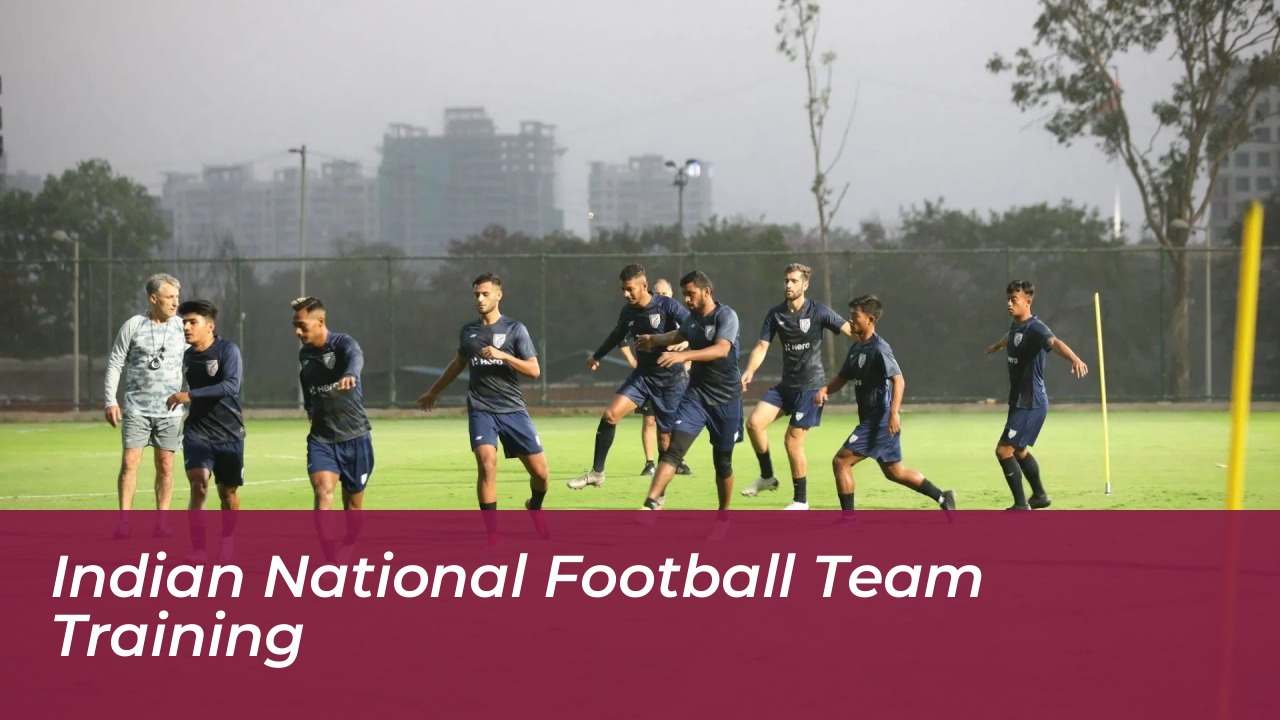
To address these performance shortcomings, Jamil introduced a bold transitional squad strategy. By omitting a handful of older names, he opened doors for emerging talent to gain vital international exposure. These younger additions blend seamlessly with seasoned pillars of the squad, such as goalkeeper Gurpreet Singh Sandhu and midfielder Anirudh Thapa, establishing a much more dynamic core.
This generational shift aims to secure long-term depth for future qualification cycles. Younger players bring high work rates and fearless attitudes, which prove essential when facing physically imposing CONCACAF opponents. Jamil trusts that exposure to high-level competition will accelerate the maturation of these rising stars.
Balancing Youth and Experience on the Pitch
Integrating fresh legs into the setup ensures long-term depth and prepares the squad for grueling qualification campaigns ahead. Younger players inject necessary energy into the starting eleven, preventing the stagnation that plagued previous iterations of the national side.
Midfield orchestration relies heavily on Anirudh Thapa. He retains the responsibility of dictating the match tempo and breaking opposition defensive lines with progressive passing. Meanwhile, direct running from attackers like Ryan Williams and Manvir Singh provides the necessary pace to trouble high-pressing defences.
Defensively, veteran goalkeeper Gurpreet Singh Sandhu anchors the backline. His vocal leadership and shot-stopping ability offer critical stability against superior attacking units. This blend of youthful enthusiasm and seasoned calm anchors the core of Jamil’s matchday blueprint.
Tactical Blueprint: Moving Beyond Pure Defence
Rejecting the Passive Philosophy
Facing a team with World Cup pedigree tempts many lower-ranked nations to park the bus and absorb wave after wave of pressure. Jamil rejects this passive philosophy entirely. He urges his players to maintain tactical fluidity rather than retreating into a permanent, panic-driven defensive block.
The team cannot afford to defend for ninety minutes against technically superior opposition. Jamil implements a balanced strategy featuring a mix of disciplined defending and calculated attacking. According to match situations, the players must react dynamically rather than sticking rigidly to a single defensive script.
Leveraging Early Club Cooperation
Early club cooperation allowed the Indian contingent to assemble ahead of schedule. This administrative win provided extra training days to refine the dual-phase approach demanded by the coaching staff. Players used these sessions to build chemistry and improve spatial awareness.
Quick transitions through the flanks will prove vital if the Blue Tigers intend to exploit any disorganization in Panama’s reshuffled defensive line. Swift ball movement from deep areas can catch the visitors off guard, creating high-percentage scoring opportunities for the frontline.
Upcoming Elite Fixtures: Preparing for the Global Stage
The Broader International Calendar
This fixture serves a dual purpose for the national program. Beyond securing a positive result in front of home supporters in Bengaluru, the match acts as a high-intensity stress test for the grueling fixtures awaiting the squad later in the week.
Following the clash with Panama, India faces five-time World Cup champions Brazil in Kolkata on October 3. The challenging international window concludes with a subsequent encounter against South American heavyweight Uruguay on October 6.
| Opponent | Global Ranking / Status | Match Date | Venue |
|---|---|---|---|
| Panama | Ranked 44th (World Cup Contender) | September 25, 2026 | Sree Kanteerava Stadium, Bengaluru |
| Brazil | Five-Time World Cup Champions | October 3, 2026 | Kolkata |
| Uruguay | South American Heavyweight | October 6, 2026 | TBD |
Veteran goalkeeper Sandhu emphasized the rarity of securing matches against top-tier global opposition. Such opportunities rarely present themselves in the modern international calendar, making every minute on the pitch invaluable for closing the developmental gap.
Frequently Asked Questions
Who is the head coach of the Indian national football team?
Khalid Jamil serves as the head coach, leading the team through the current international window and high-profile friendlies.
Where is the India versus Panama international friendly taking place?
The match takes place at the Sree Kanteerava Stadium in Bengaluru.
What is Panama FIFA ranking compared to India?
Panama occupies the 44th position in the global FIFA rankings, whereas India is positioned at 138th.
Which high-profile teams are playing India after Panama?
Following the Panama fixture, the Indian team squares off against Brazil on October 3 and Uruguay on October 6.