
Darrell Waltrip steps away from public life at age 79, marking the end of an era for American motorsports. The NASCAR Hall of Fame driver and legendary broadcaster faces a diagnosis of frontotemporal degeneration, complicated by possible chronic traumatic encephalopathy. This announcement saddens millions of fans who watched him dominate the track and later brighten television screens. His family requests privacy while handling this difficult medical reality.
- The Storied Racing Career of Darrell Waltrip
- Dominating the Track Across Three Decades
- Championships and Historic Race Victories
- Transition to the Broadcast Booth
- Bringing Energy to the Fox Sports Team
- The Cultural Impact of His Signature Catchphrase
- Understanding Frontotemporal Degeneration
- What Is FTD?
- Symptom Progression and Daily Challenges
- The Link to Chronic Traumatic Encephalopathy
- Cumulative Head Trauma in Motorsports
- Medical Insights From Research Institutions
- Family Statement and Privacy Requests
- The Official Public Announcement
- Community Response and Respect for Privacy
- Reactions Across the NASCAR Community
- Tributes From Fellow Drivers and Teams
- Fan Outpouring on Social Media Platforms
- Evolution of Safety and Concussion Protocols in Racing
- Historical Safety Standards in Past Eras
- Modern Measures Protecting Contemporary Drivers
- Frequently Asked Questions
- What health condition led Darrell Waltrip to step away?
- How many NASCAR Cup Series championships did Darrell Waltrip win?
- What is Darrell Waltrip best known for in broadcasting?
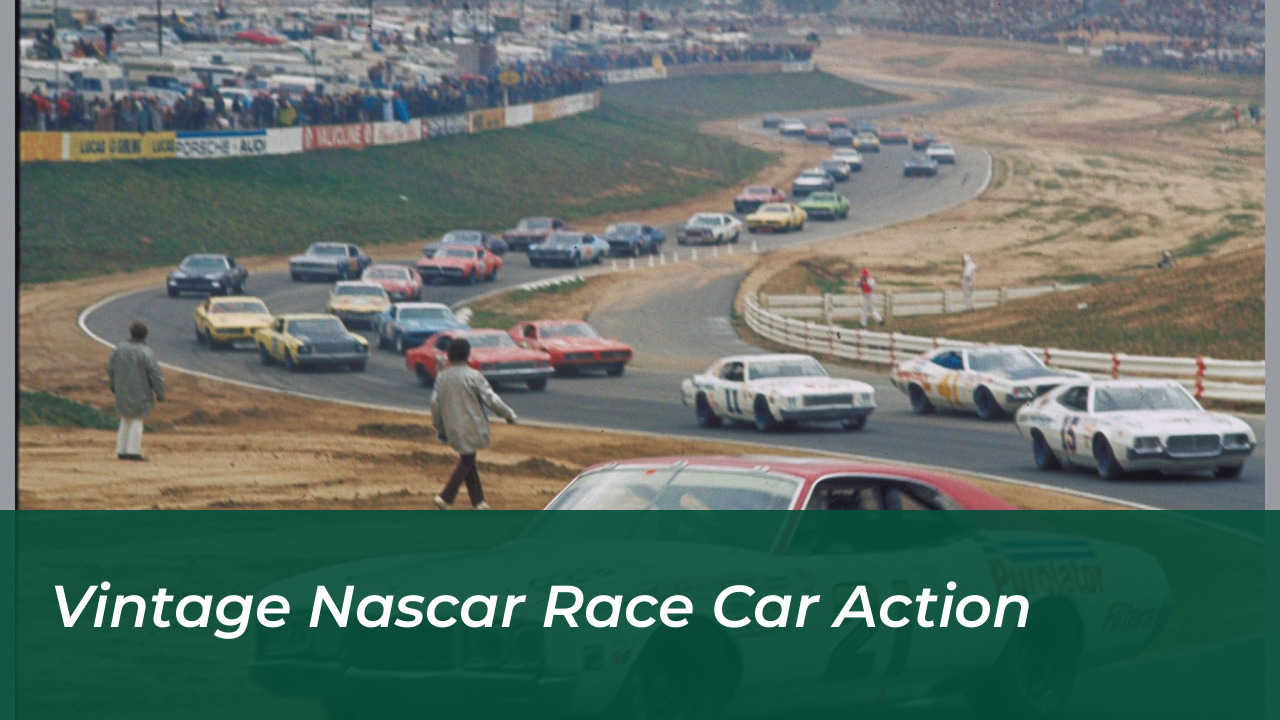
The Storied Racing Career of Darrell Waltrip
Dominating the Track Across Three Decades
Darrell Waltrip built a reputation as a fierce competitor during a professional motorsports career running from 1972 to 2000. He mastered various types of tracks, from short ovals to massive superspeedways. His relentless work ethic and technical feedback set a new standard for professional stock car drivers.
During these three decades, he established himself as an elite force in American racing. Teams sought his expertise because he understood how to extract maximum speed from a race car. His aggressive driving style earned him both fierce rivals and deeply loyal supporters across the country.
Championships and Historic Race Victories
His trophy case reflects sheer dominance in the top tier of stock car racing. He secured three NASCAR Winston Cup Series championships in 1981, 1982, and 1985. Each title run showcased his consistency, tactical brilliance, and ability to win under immense pressure.
Beyond his championships, he accumulated 84 Cup Series race victories. This incredible milestone ties him with Bobby Allison for fourth on the all-time wins list. His historic triumphs at crown jewel events like the Daytona 500 cemented his legendary status.
Transition to the Broadcast Booth
Bringing Energy to the Fox Sports Team
Retiring from full-time driving in 2000 did not remove him from the sport he loved. He transitioned seamlessly into a successful broadcasting career spanning nearly two decades as an analyst for Fox Sports. His sharp insights helped casual viewers understand complex race strategies.
He possessed a unique talent for explaining high-speed drama in simple, engaging terms. Production crews relied on his enthusiasm to keep broadcasts lively. He shaped modern race coverage and mentored younger journalists entering the sport.
The Cultural Impact of His Signature Catchphrase
Television viewers instantly recognized his infectious energy every Sunday afternoon. His famous catchphrase, Boogity, Boogity, Boogity, let’s go racing, boys, became a cultural phenomenon. It united families in living rooms across the nation before every green flag.
This signature phrase embodied his genuine love for motorsports. He never lost his childlike enthusiasm for speed and competition. Fans quoted him constantly, making his voice the definitive soundtrack of a golden era in racing.
Understanding Frontotemporal Degeneration
What Is FTD?
Frontotemporal degeneration represents a group of progressive brain disorders affecting specific regions of the organ. These conditions primarily target the frontal and temporal lobes. These exact areas control behavior, personality, language, and complex social interactions.
Unlike other cognitive disorders, FTD often strikes individuals at a younger age, altering personal traits long before memory loss begins. The physical changes in the brain tissue disrupt normal cellular communication, leading to profound behavioral shifts.
Symptom Progression and Daily Challenges
Symptoms emerge gradually and worsen steadily over time. Individuals experience difficulties with language comprehension, verbal expression, and impulse control. Simple daily tasks require increasing assistance from caregivers and family members.
Navigating this condition demands immense patience and specialized medical care. Families must adapt to unpredictable behavioral changes while ensuring the comfort and dignity of their loved ones throughout the progression of the disease.
The Link to Chronic Traumatic Encephalopathy
Cumulative Head Trauma in Motorsports
Decades of high-impact racing contributed significantly to the health challenges Waltrip faces today. Early eras of motorsport featured frequent heavy crashes with minimal energy-absorbing barriers. Drivers routinely absorbed severe concussive and sub-concussive blows.
According to research, repetitive head trauma triggers progressive neurodegenerative disease over many years. The cumulative effect of minor and major impacts alters brain structure long after a driver hangs up their helmet.
Medical Insights From Research Institutions
Data from the Mayo Clinic highlights the direct correlation between contact sports, high-impact motorsports, and chronic traumatic encephalopathy. Medical researchers continue studying how repeated physical jolts damage neural pathways.
Understanding these biological mechanisms helps doctors diagnose retired athletes accurately. This ongoing research also drives vital safety reforms across modern professional sports leagues.
Family Statement and Privacy Requests
The Official Public Announcement
The Waltrip family released a thoughtful public statement detailing his health status. They confirmed his permanent decision to step away from all public appearances and media engagements. This transparent update helped curb speculation and focused attention on his well-being.
Managing a complex neurodegenerative diagnosis requires a quiet, controlled home environment. Limiting outside visitors allows him to spend quality time with his closest relatives and dedicated medical professionals.
Community Response and Respect for Privacy
The racing community responded with immediate understanding and profound respect. Industry leaders, media outlets, and dedicated fans acknowledged the necessity of the family’s privacy request.
Supporters shifted their focus from demanding updates to sending heartfelt prayers. This collective boundary ensures the household can navigate this delicate transition with peace and dignity.
Reactions Across the NASCAR Community
Tributes From Fellow Drivers and Teams
Contemporaries and racing organizations flooded digital platforms with tributes acknowledging his monumental impact. Competitors who once battled him on track shared stories of his fierce talent and gracious sportsmanship.
Team owners and executives praised his contributions both as a multi-time champion and a premier ambassador for the sport. Everyone recognized that American racing would not look the same without his influence.
Fan Outpouring on Social Media Platforms
Devoted supporters utilized social media to share personal memories, favorite race moments, and messages of encouragement. Hashtags dedicated to his legacy trended nationally as fans expressed their gratitude.
This massive digital outpouring demonstrated the deep emotional connection he forged with audiences over fifty years in the spotlight. The racing family stands firmly behind him during this trial.
Evolution of Safety and Concussion Protocols in Racing
Historical Safety Standards in Past Eras
Drivers competing during the 1970s, 1980s, and 1990s faced starkly different safety conditions. Helmets offered basic protection, and race cars lacked modern energy-dissipating frame designs. Soft wall technology did not exist on oval tracks.
Athletes regularly shook off heavy impacts and returned to competition without medical clearance. The prevailing culture of toughness discouraged reporting head injuries or neurological symptoms.
Modern Measures Protecting Contemporary Drivers
Modern motorsports implement strict concussion protocols, advanced HANS devices, and cutting-edge helmet technology. Track walls now utilize energy-absorbing foam and polymer barriers to reduce crash forces.
Sanctioning bodies mandate thorough neurological evaluations after significant accidents. These proactive measures safeguard contemporary athletes from cumulative brain trauma, ensuring a safer future for the next generation of racers.
Frequently Asked Questions
What health condition led Darrell Waltrip to step away?
Darrell Waltrip faces frontotemporal degeneration, which is complicated by possible chronic traumatic encephalopathy.
How many NASCAR Cup Series championships did Darrell Waltrip win?
He secured three NASCAR Winston Cup Series championships during his legendary career, winning in 1981, 1982, and 1985.
What is Darrell Waltrip best known for in broadcasting?
He served as a beloved analyst for Fox Sports for nearly two decades, famous for his signature catchphrase, Boogity, Boogity, Boogity, let’s go racing, boys.