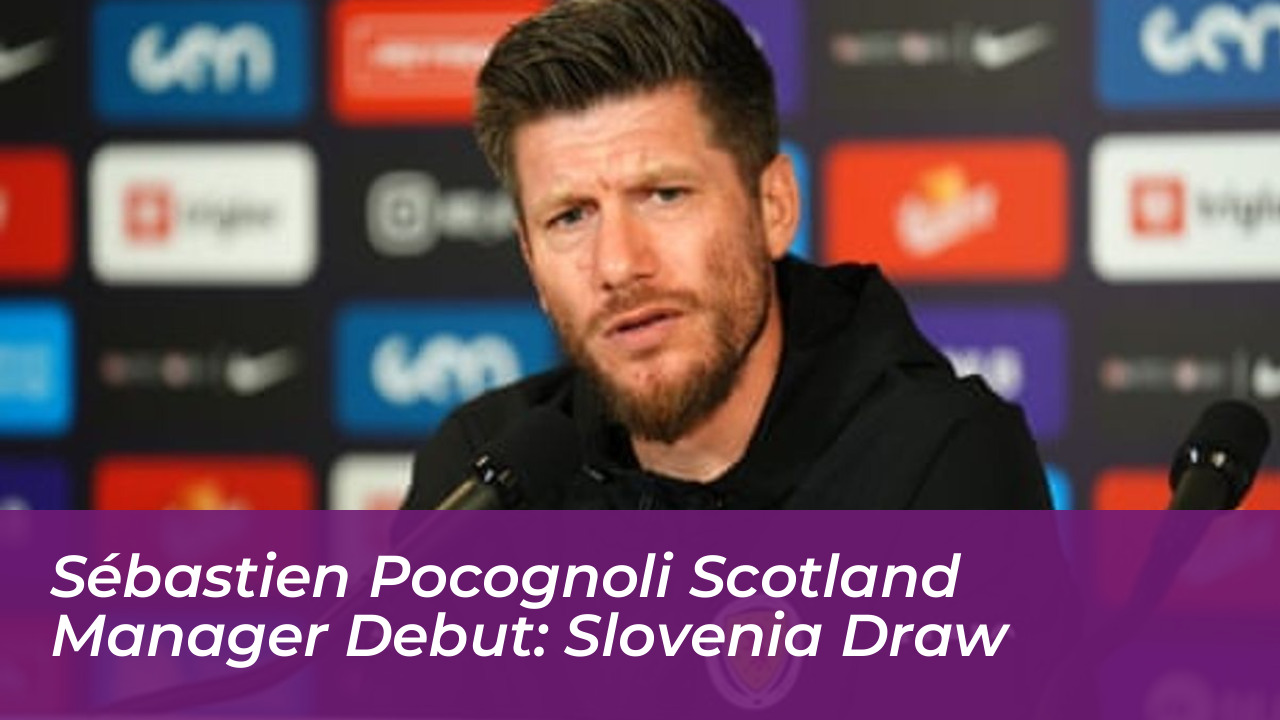
The dawn of a new era for the Scotland national football team officially arrived on Saturday, September 26, 2026, marking a significant transitional chapter in the country’s sporting history. Newly appointed head coach Sébastien Pocognoli took charge of his first competitive fixture against Slovenia at Stadion Stožice in Ljubljana. Opening the UEFA Nations League Group B1 campaign, the 39-year-old Belgian manager stepped into the role following Steve Clarke’s departure after the 2026 FIFA World Cup group-stage exit.
- Introduction to a New Era for Scottish Football
- Tactical Blueprint and Match Analysis: Slovenia vs. Scotland
- First-Half Struggles and Defensive Resilience
- Second-Half Dominance and Missed Opportunities
- Squad Overhaul and Generational Shift
- Integrating Youth and Experience
- Structural Succession Planning and Sports Science
- Physical Monitoring and La Manga Preparation
- Academy Alignment and Long-Term Continuity
- UEFA Nations League Group B1 Outlook and Future Fixtures
- Frequently Asked Questions
- Who is the new head coach of the Scotland national football team?
- What was the result of Pocognoli’s first match in charge?
- Which upcoming matches remain in the September-October international window?
- How has the squad changed under the new coaching staff?
Pocognoli arrived in Ljubljana with an extensive tactical blueprint developed through managerial spells at Union Saint-Gilloise and Monaco. Tasked with injecting dynamic energy into a transitioning squad, the former defender implemented rigorous training sessions in La Manga prior to the fixture. The squad selection reflected a clear vision for the future, blending experienced stalwarts with uncapped prospects ready to prove themselves on the international stage.
Introduction to a New Era for Scottish Football
The managerial transition became necessary after Scotland exited the 2026 FIFA World Cup during the group stage, closing the book on a largely successful but physically demanding era under Steve Clarke. The Scottish Football Association acted quickly to secure Pocognoli, a young and progressive coach known for high-tempo pressing systems and flexible formations. At 39 years old, he represents a modern breed of tacticians capable of connecting with a younger generation of players.
The opening UEFA Nations League Group B1 fixture against Slovenia at Stadion Stožice served as the ultimate testing ground for this new philosophy. Facing a well-organized Slovenian side away from home always presents a difficult challenge, especially with soaring temperatures in Ljubljana. Pocognoli used this match to test the depth and tactical adaptability of a heavily revamped national pool.
Building a sustainable football culture requires patience and unwavering commitment from fans and pundits alike. The football association believes this bold appointment establishes a solid foundation for future qualification cycles. Early signs from training camps show immense enthusiasm and tactical buy-in from the players.
Tactical Blueprint and Match Analysis: Slovenia vs. Scotland
First-Half Struggles and Defensive Resilience
The opening UEFA Nations League encounter offered an intense tactical chess match under intense heat in the Slovenian capital. Slovenia asserted early pressure, pinning Scotland into their own half during the opening period. Danijel Sturm and Andraž Šporar posed immediate threats, testing the defensive resolve of a revamped Scottish backline featuring debutant Stephen Welsh alongside Jack Hendry.
Despite early Slovenian dominance, Scotland gradually gained a foothold. Midfielder Billy Gilmour orchestrated play from deep alongside captain Andy Robertson, while John McGinn pulled the strings in advanced areas. Summer Sevilla signing Robbie Ure came agonizingly close to marking his international debut with a sensational goal just before halftime, cutting inside Jaka Bijol only to see his curling strike clip the outside of the post against goalkeeper Jan Oblak.
Tactical flexibility allowed the visiting side to absorb intense pressure without conceding early breakthrough goals. Defensive solidity remains a core priority for the new coaching staff as they evaluate defensive pairings.
Second-Half Dominance and Missed Opportunities
The second half belonged entirely to the visitors. Scotland seized tactical control, dominating possession and carving out a succession of clear-cut opportunities. Oli McBurnie, making his first international appearance since 2021 following an impressive promotion-winning campaign with Hull City, troubled the Slovenian defense with intelligent movement and physical hold-up play.
Substitute Kieron Bowie also wasted two golden opportunities late in the game, failing to convert past an inspired Oblak as the contest ended in a scoreless stalemate. While the finishing lacked precision, the tactical dominance displayed after the interval offered clear encouragement for the coaching staff moving forward.
Converting chances in the final third remains the primary area requiring urgent attention on the training ground. Strikers must sharpen their finishing touches before facing tougher defensive units in upcoming fixtures.
Squad Overhaul and Generational Shift
Integrating Youth and Experience
Pocognoli initiated a sweeping overhaul of the national team setup for his maiden international window. Over half of the called-up players missed out on the recent World Cup squad, marking a distinct generational shift. The 27-man roster welcomed eight uncapped talents eager to make an immediate impact under the new coaching staff, which includes assistants Luke Bennett and Cameron Campbell.
Injuries forced late adjustments to the original list. Experienced figures such as Kieran Tierney and Kenny McLean withdrew from the camp due to fitness concerns. Blackburn Rovers midfielder Kristi Montgomery received a late call-up from the Under-21 setup to bolster the midfield options, alongside the return of Bradford City goalkeeper Jon McCracken.
Blending seasoned leaders with eager newcomers creates a healthy competitive environment within the national training camp. Players must constantly earn their starting berths through consistent club performances.
| Category | Player Name | Club Team | Notes |
|---|---|---|---|
| Returning Veteran | Oli McBurnie | Hull City | First cap since 2021 after 18-goal season |
| Returning Midfielder | Billy Gilmour | Napoli | Returns after missing World Cup through injury |
| Defensive Debutant | Stephen Welsh | Swansea City | Earned first senior cap following strong club form |
| Rising Forward | Robbie Ure | Sevilla | Included after £5.5m summer transfer |
Structural Succession Planning and Sports Science
Physical Monitoring and La Manga Preparation
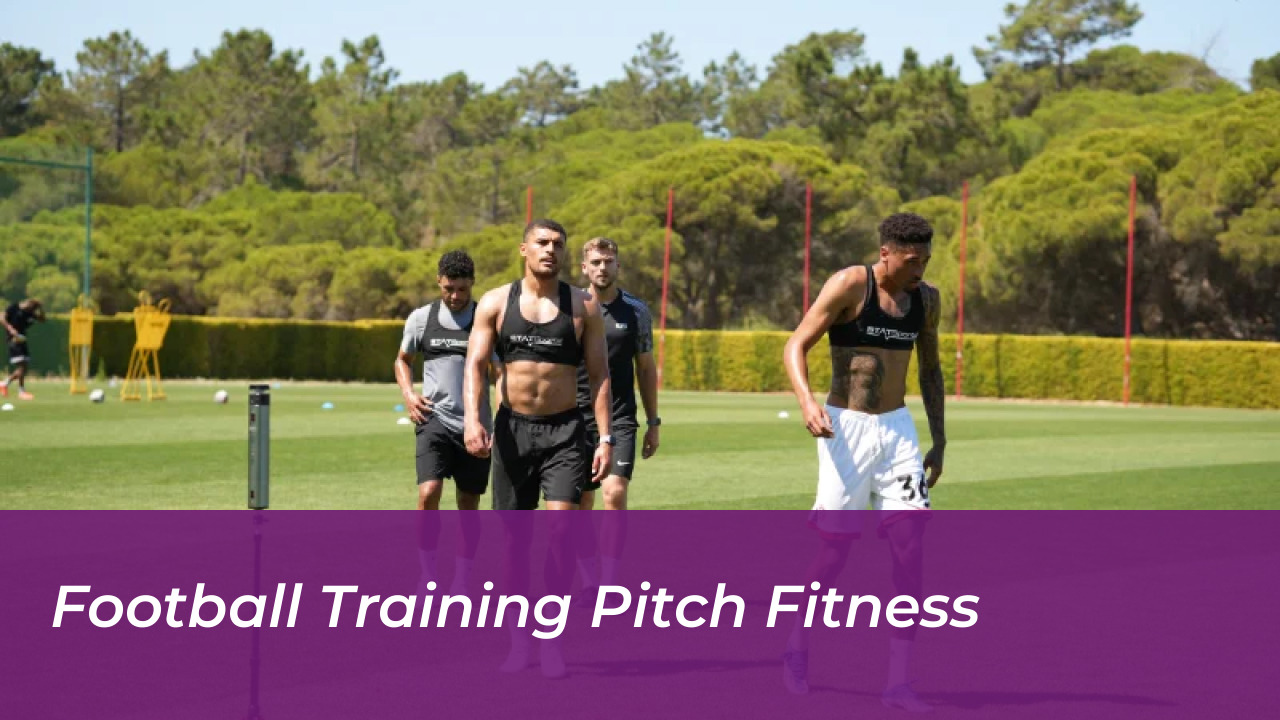
While mainstream coverage focuses heavily on match statistics, two critical dimensions often overlooked in international managerial transitions involve structural succession planning and sports science integration. Pocognoli utilized the La Manga training camp not merely for tactical drills, but to implement high-intensity physical monitoring protocols designed to counter the fatigue associated with early-season European calendars.
Modern international football demands elite physical output from players transitioning directly from demanding club fixtures. By deploying advanced GPS tracking and individualized recovery regimens, the medical staff minimized soft-tissue injury risks during the intense September window.
Data-driven recovery programs significantly reduce muscle strain during congested international fixture schedules. Sports scientists continuously monitor workload metrics to ensure optimal player readiness on matchdays.
Academy Alignment and Long-Term Continuity
The integration of JD Performance School graduates such as Lennon Miller and Jon McCracken highlights a long-term alignment between youth academies and the senior national setup. By embedding younger prospects into senior training environments early in the UEFA Nations League cycle, the coaching staff ensures seamless continuity, reducing the traditional friction associated with post-tournament squad rebuilds.
Creating a clear pathway from youth levels to the senior squad secures long-term competitiveness on the international stage. Future generations will benefit directly from these structured developmental frameworks.
UEFA Nations League Group B1 Outlook and Future Fixtures
The double-header international window offers Pocognoli little time to rest. Following the trip to Ljubljana, the squad returned to Glasgow to prepare for a crucial home fixture against Switzerland at Barclays Hampden on Tuesday, September 29, 2026. Support from the Tartan Army remains high, with strong ticket sales driving anticipation for the home debut of the new coaching staff.
Group B1 proceedings continue into October with a demanding travel schedule. Scotland travels to Skopje to face North Macedonia on Saturday, October 3, before hosting Slovenia in the reverse fixture at Hampden Park on Tuesday, October 6. Pocognoli aims to translate the positive second-half performance observed in Ljubljana into clinical finishing as the qualification campaign progresses.
Securing maximum points from upcoming home matches remains vital for ambitions of topping the group standings. Squad depth and tactical adaptability will prove decisive over the coming months.
Frequently Asked Questions
Who is the new head coach of the Scotland national football team?
Sébastien Pocognoli took charge as Scotland Men’s Head Coach in September 2026, replacing Steve Clarke following the FIFA World Cup.
What was the result of Pocognoli’s first match in charge?
Pocognoli’s debut match ended in a hard-fought 0-0 draw against Slovenia at Stadion Stožice in Ljubljana on September 26, 2026.
Which upcoming matches remain in the September-October international window?
Scotland hosts Switzerland on September 29, travels to face North Macedonia on October 3, and returns home to host Slovenia on October 6, 2026.
How has the squad changed under the new coaching staff?
Over half of the called-up players missed the previous World Cup squad, introducing fresh talent and exciting uncapped prospects.